
France - in 4Cs
France revealed itself through four Cs: Chartres, Caves, Castles, and Chateaux. Beyond the grand boulevards and iconic landmarks most visitors associate with France lies another story. Chartres Cathedral restored to reveal the vision of medieval builders who filled their church with light. In the Dordogne, prehistoric cave art, the medieval city of Sarlat, and castles from the time of Richard the Lionheart offered a journey through thousands of years of history. The journey concluded in the Loire Valley, where elegant chateaux and formal gardens showcased a France that evolved from defense and survival to beauty and refinement.
-
Day 1 - Chartres — Gothic architecture, stained glass, and the rediscovered light of one of France's greatest cathedrals.
-
Days 2-5 - Sarlat & the Dordogne — Prehistoric cave art, Beynac, Castelnaud, medieval villages, and landscapes shaped by centuries of conflict.
-
Days 6-8 - Loire Valley — Blois, magnificent chateaux, gardens, and the elegance of Renaissance France.
Our Journey
Chartres

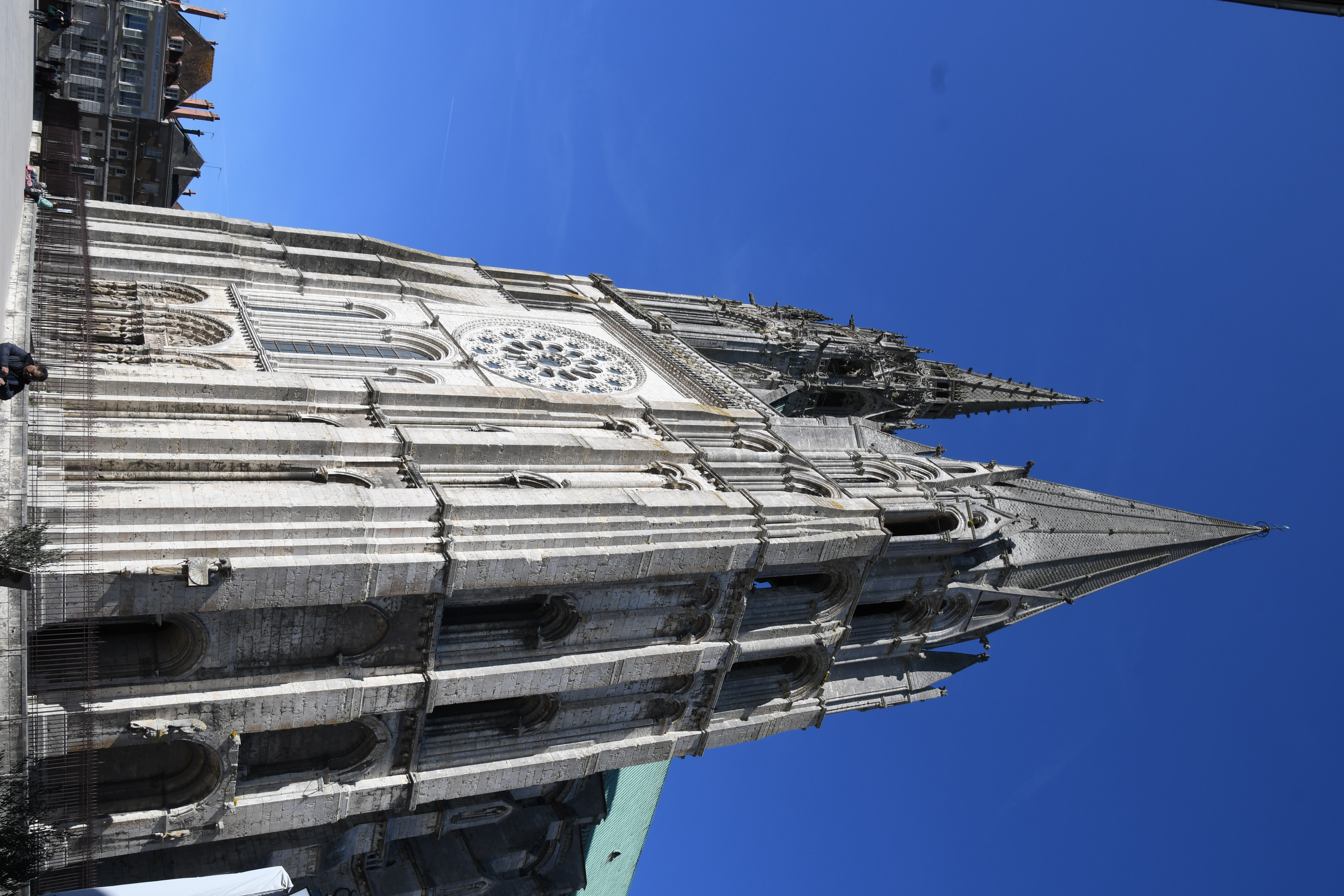
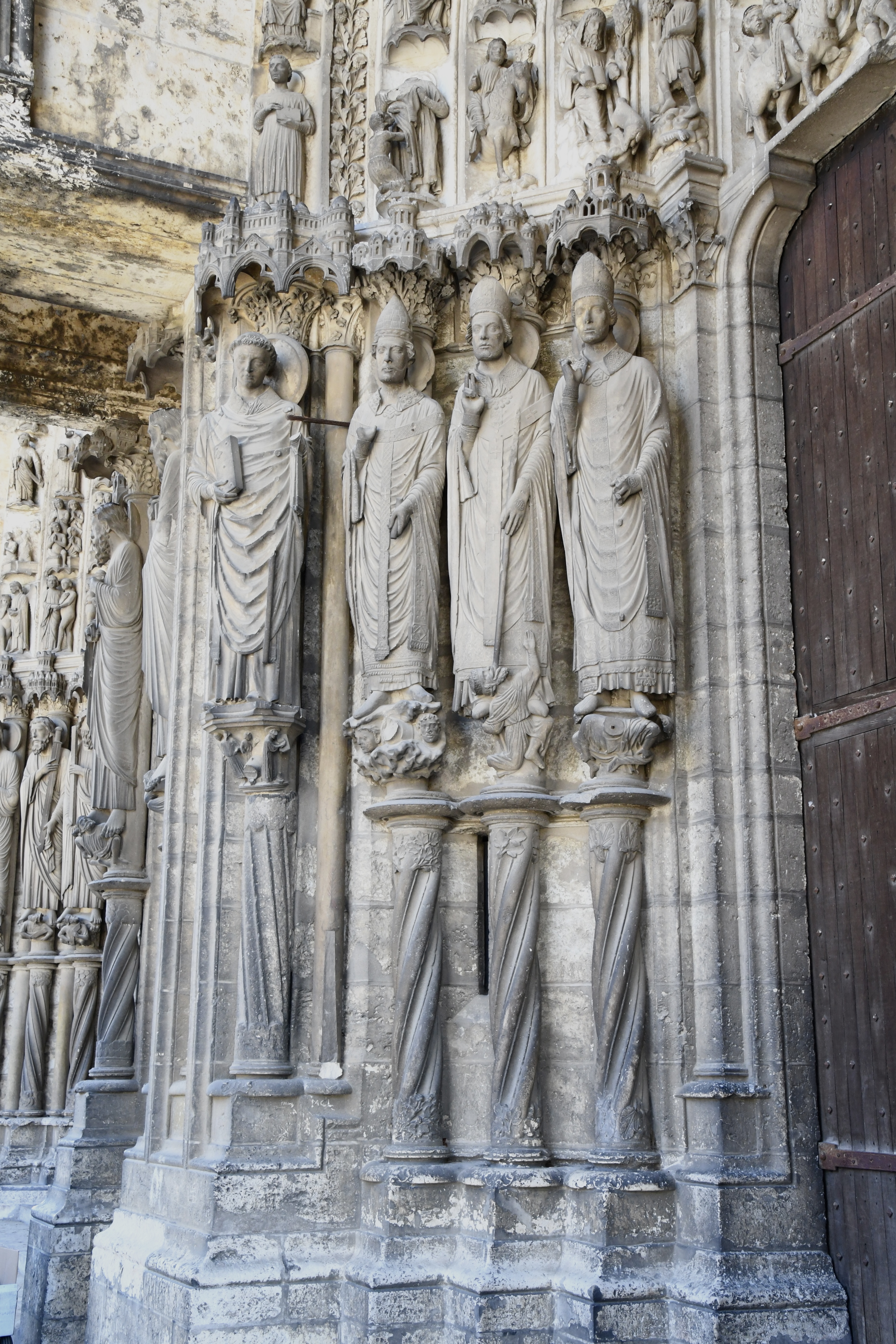
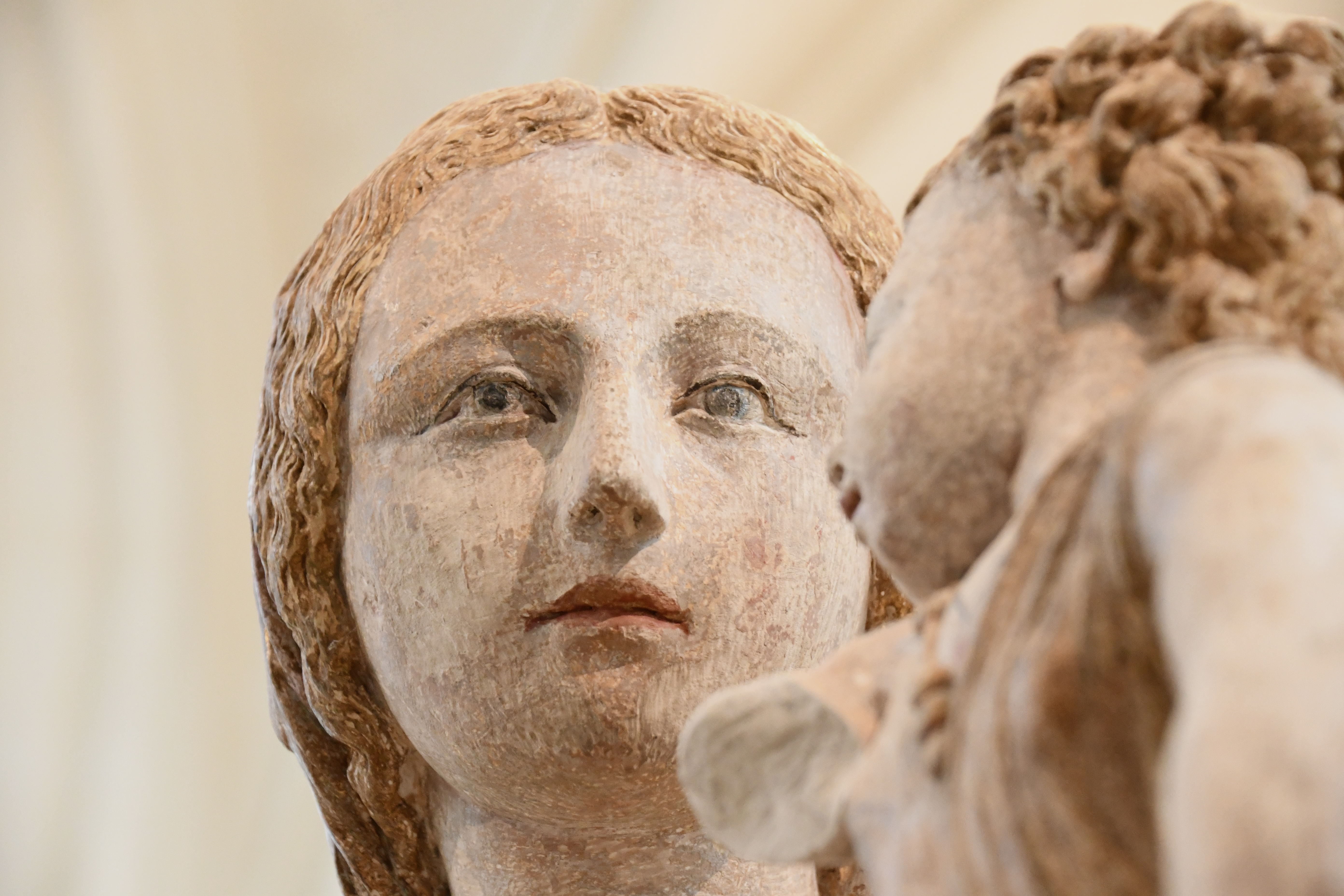
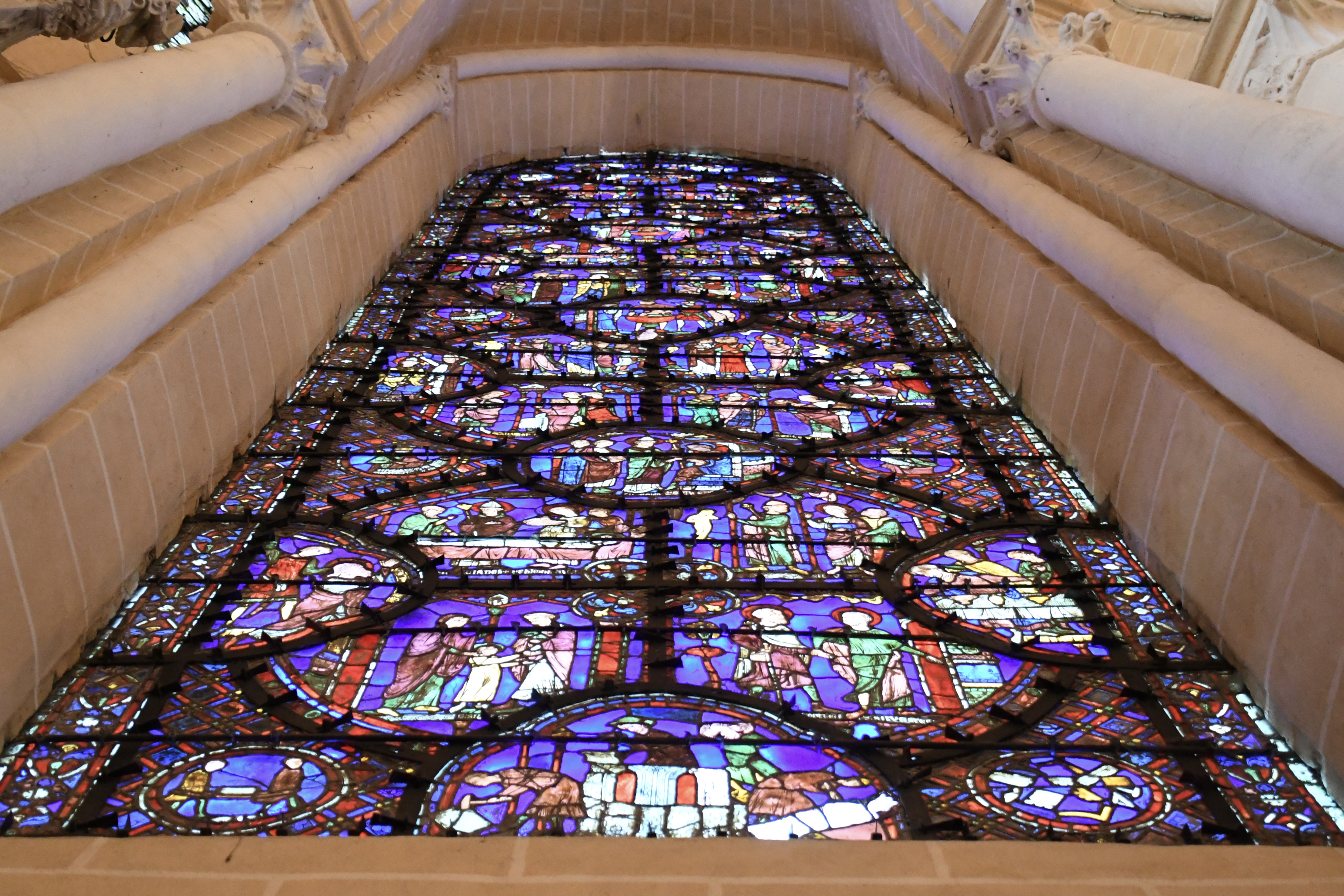
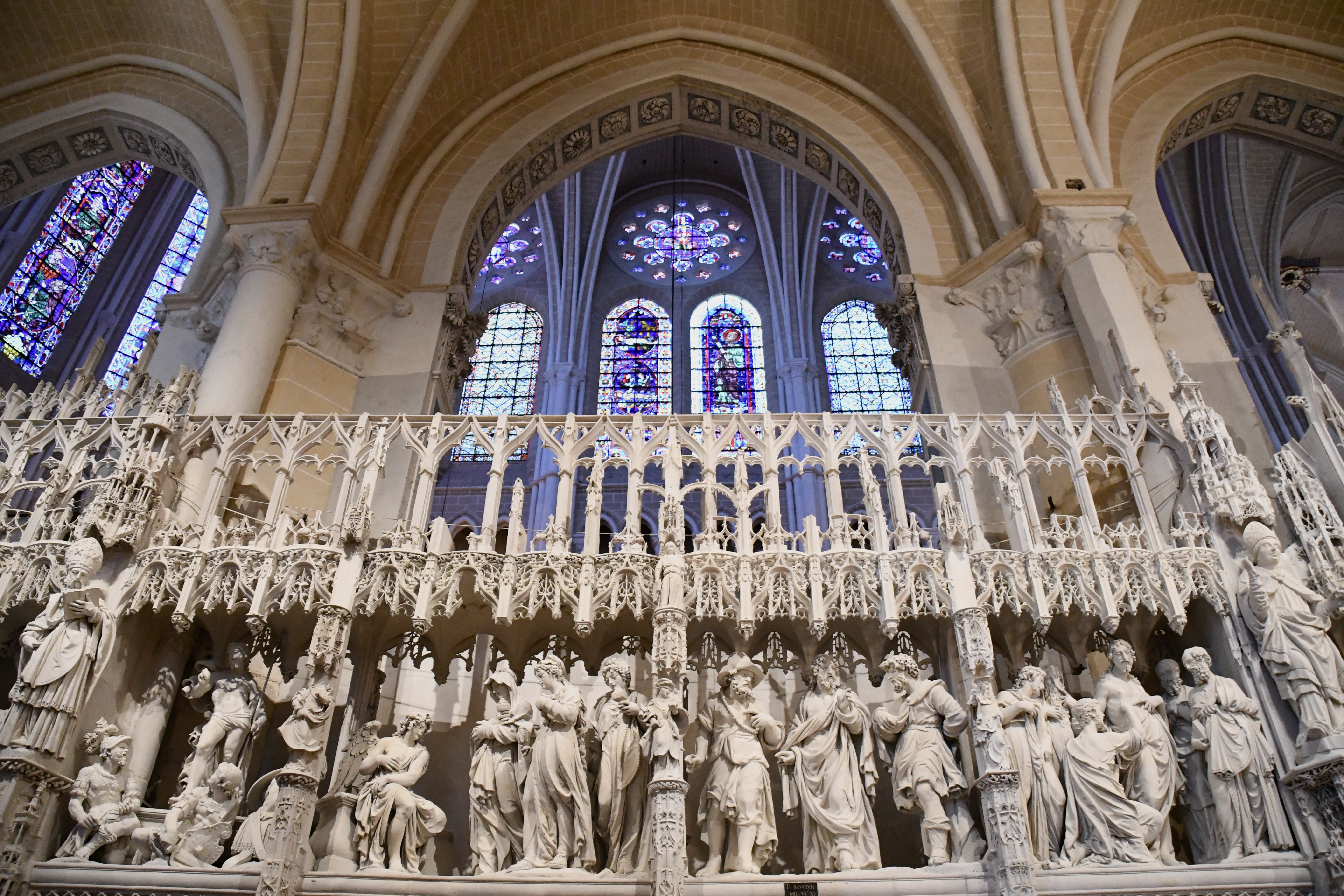
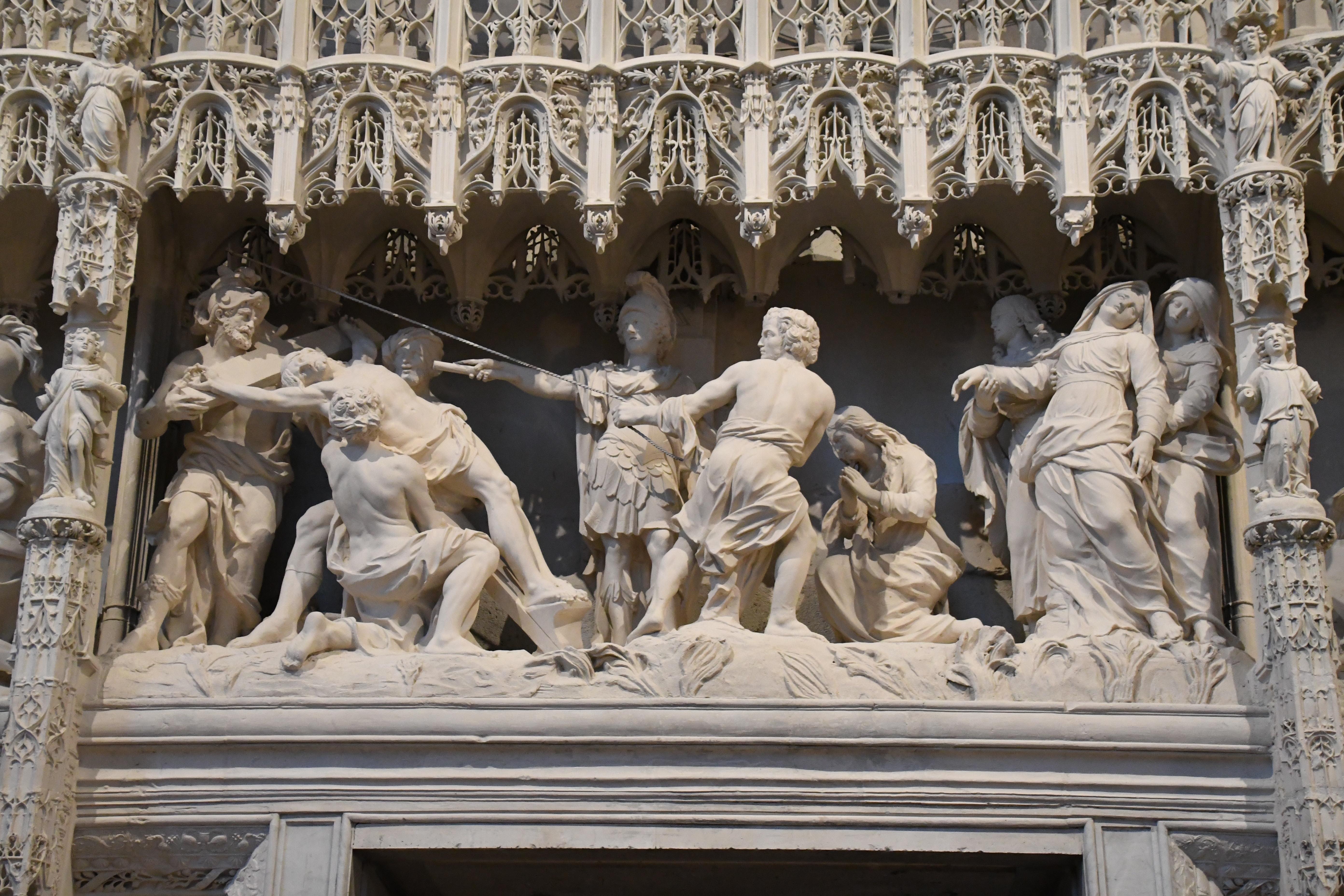
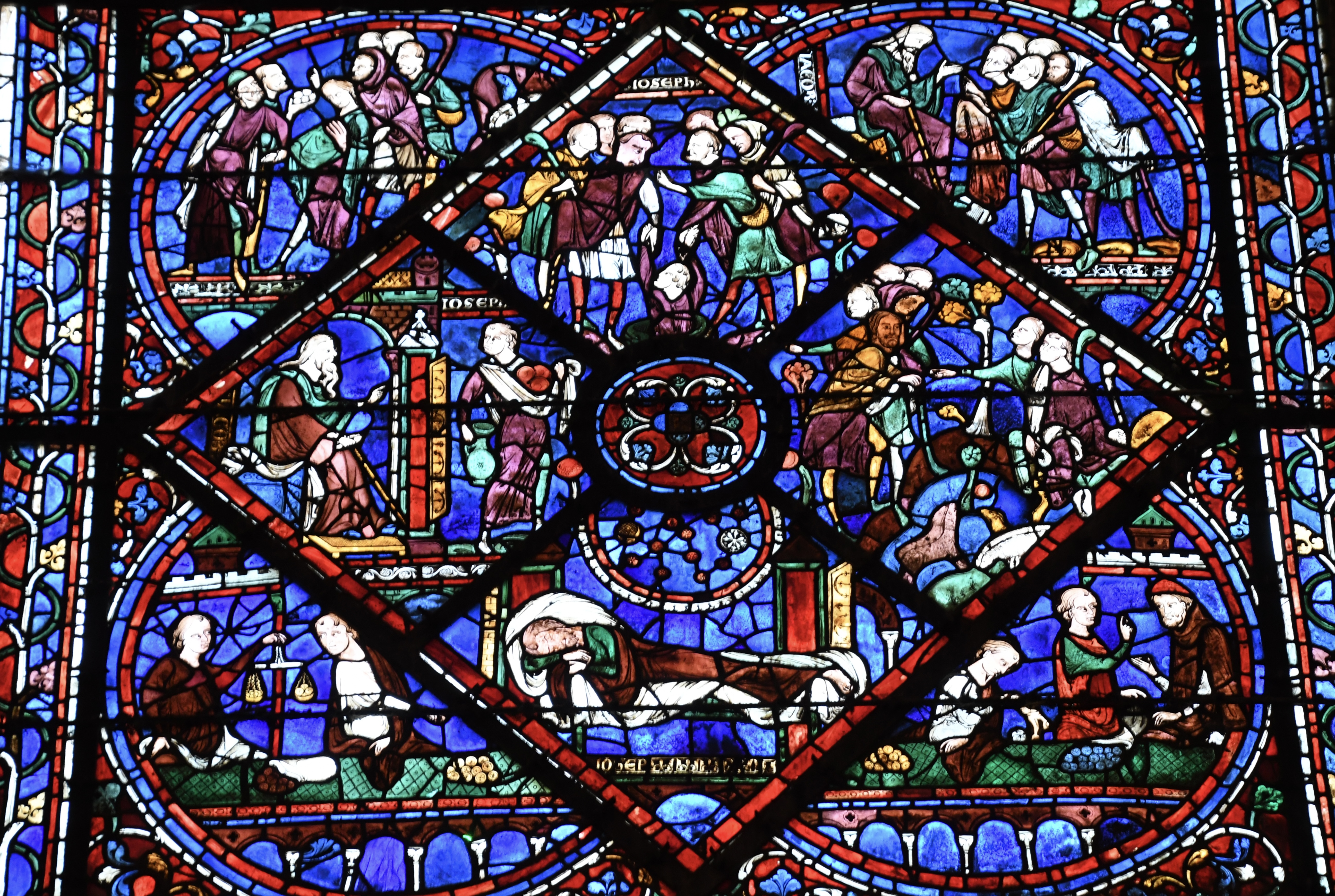
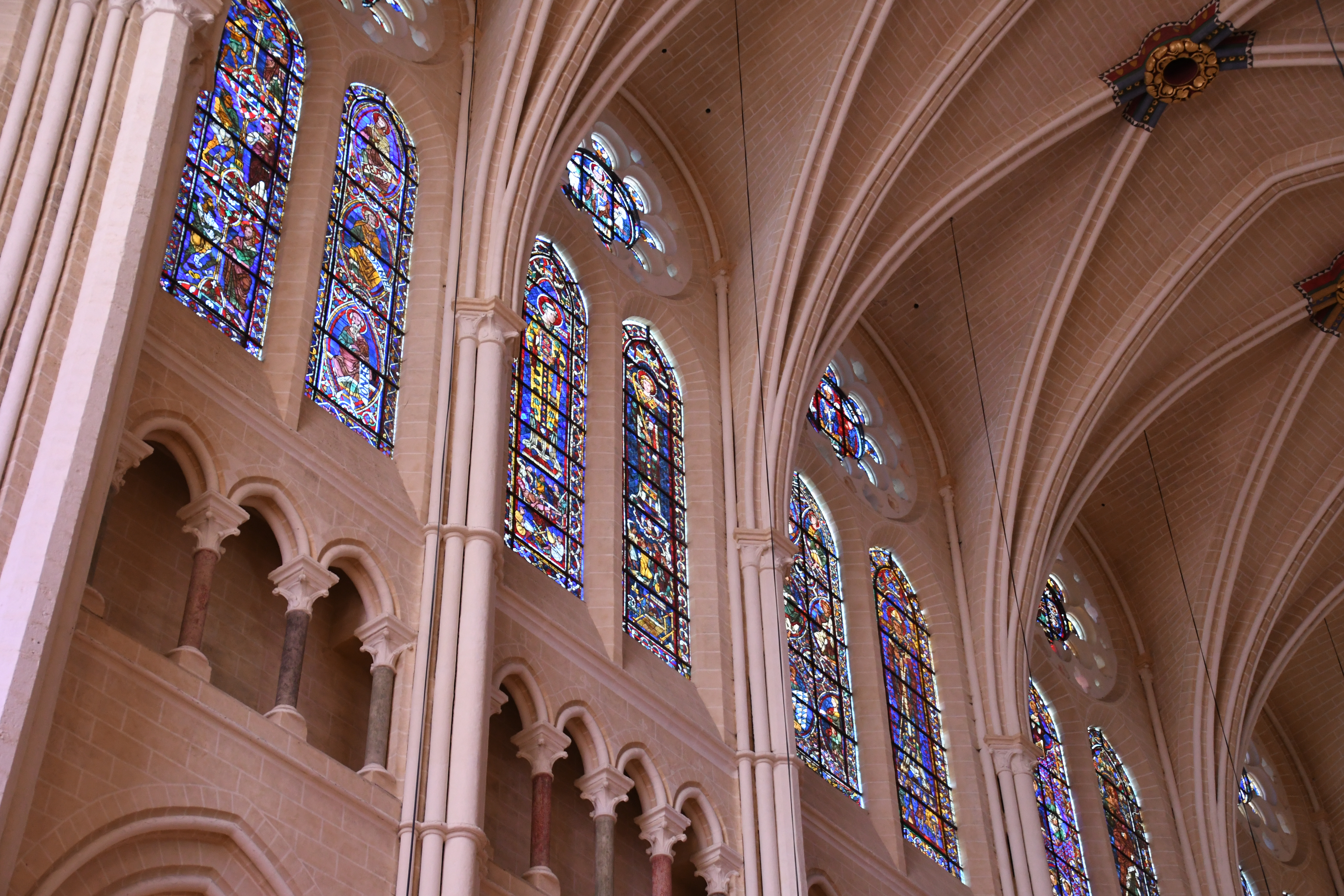
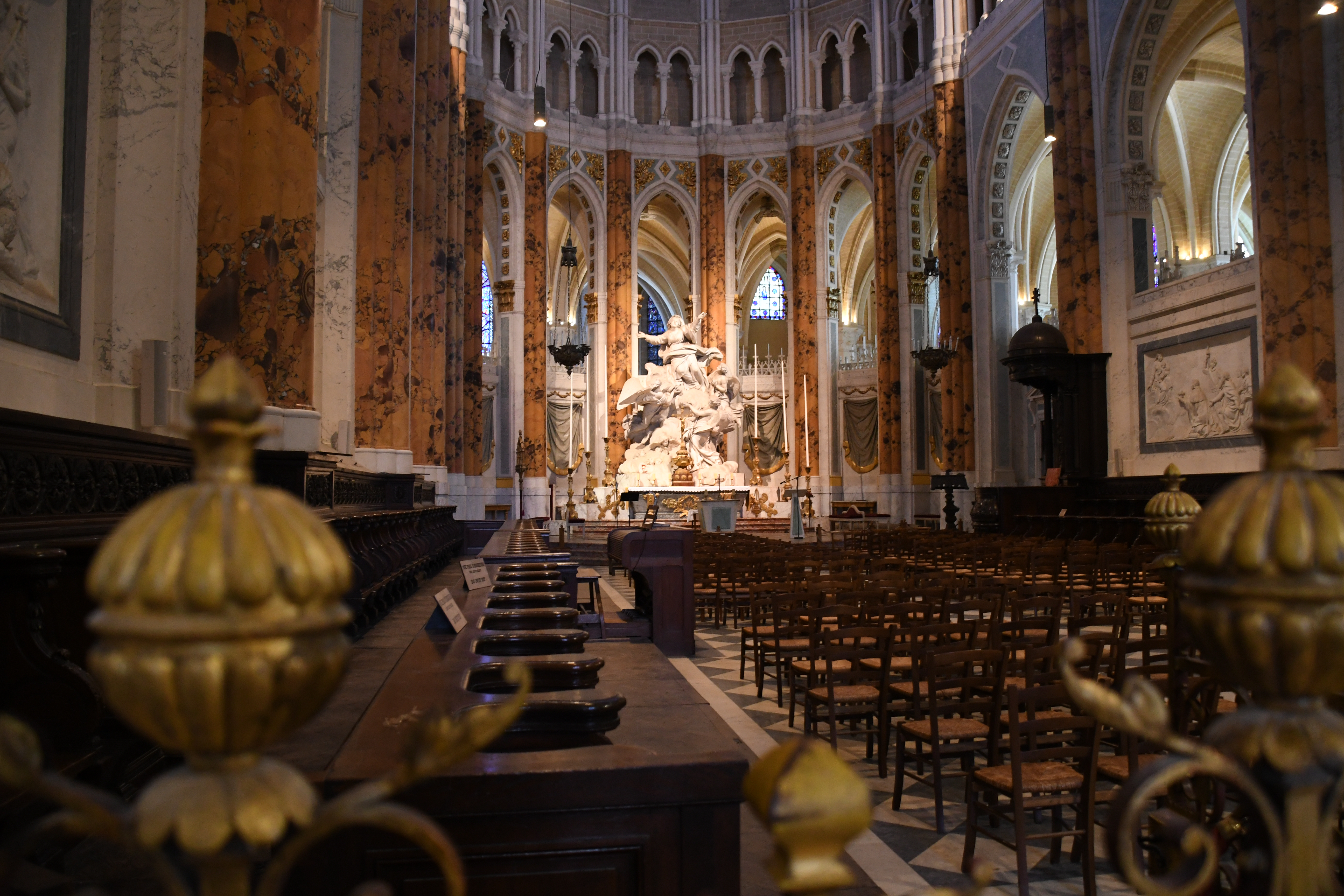
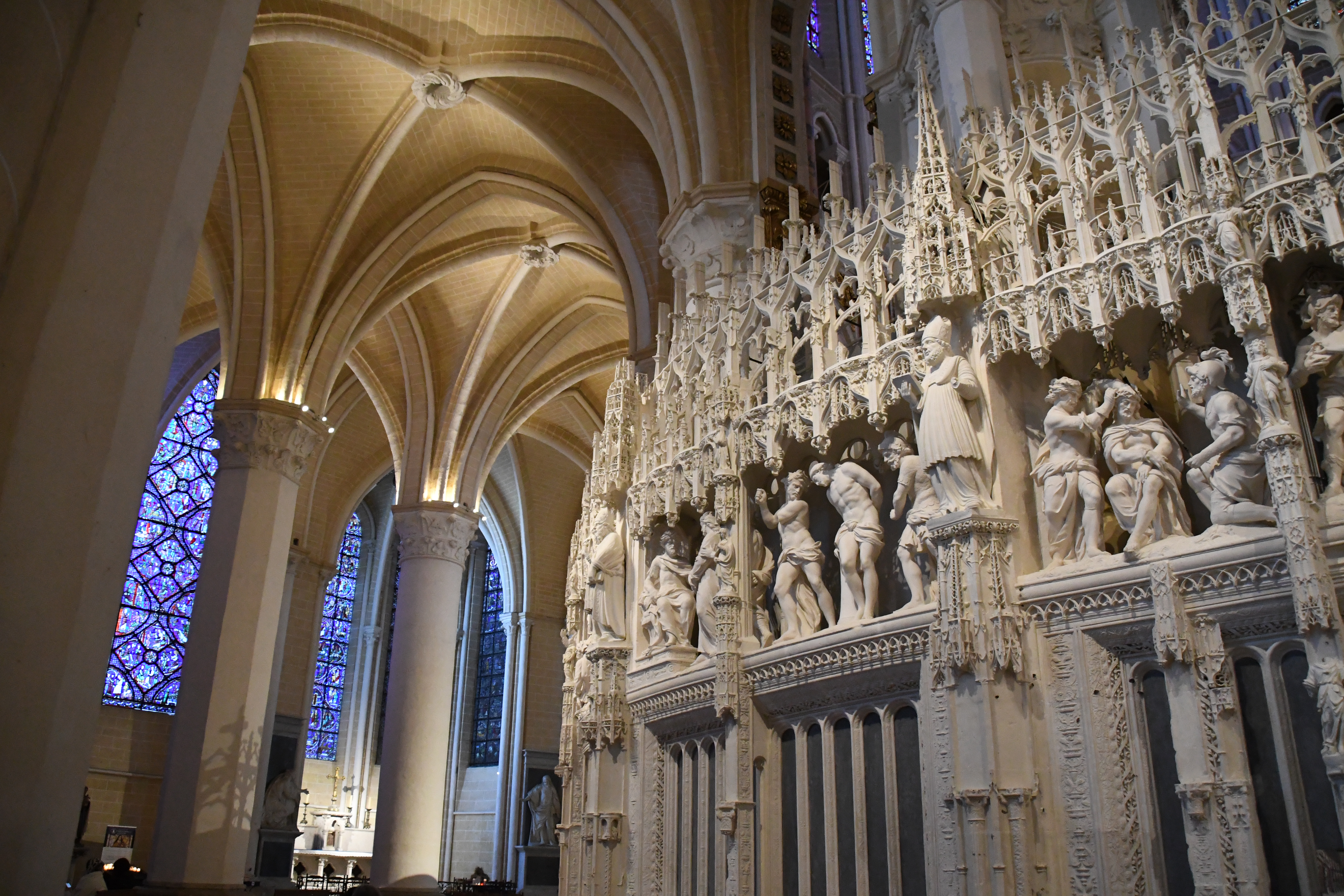
Chartres Cathedral is a triumph of gothic architecture which rises skyward in a celebration of faith, craftsmanship, and light and plays a key role in the religious history for all of France.


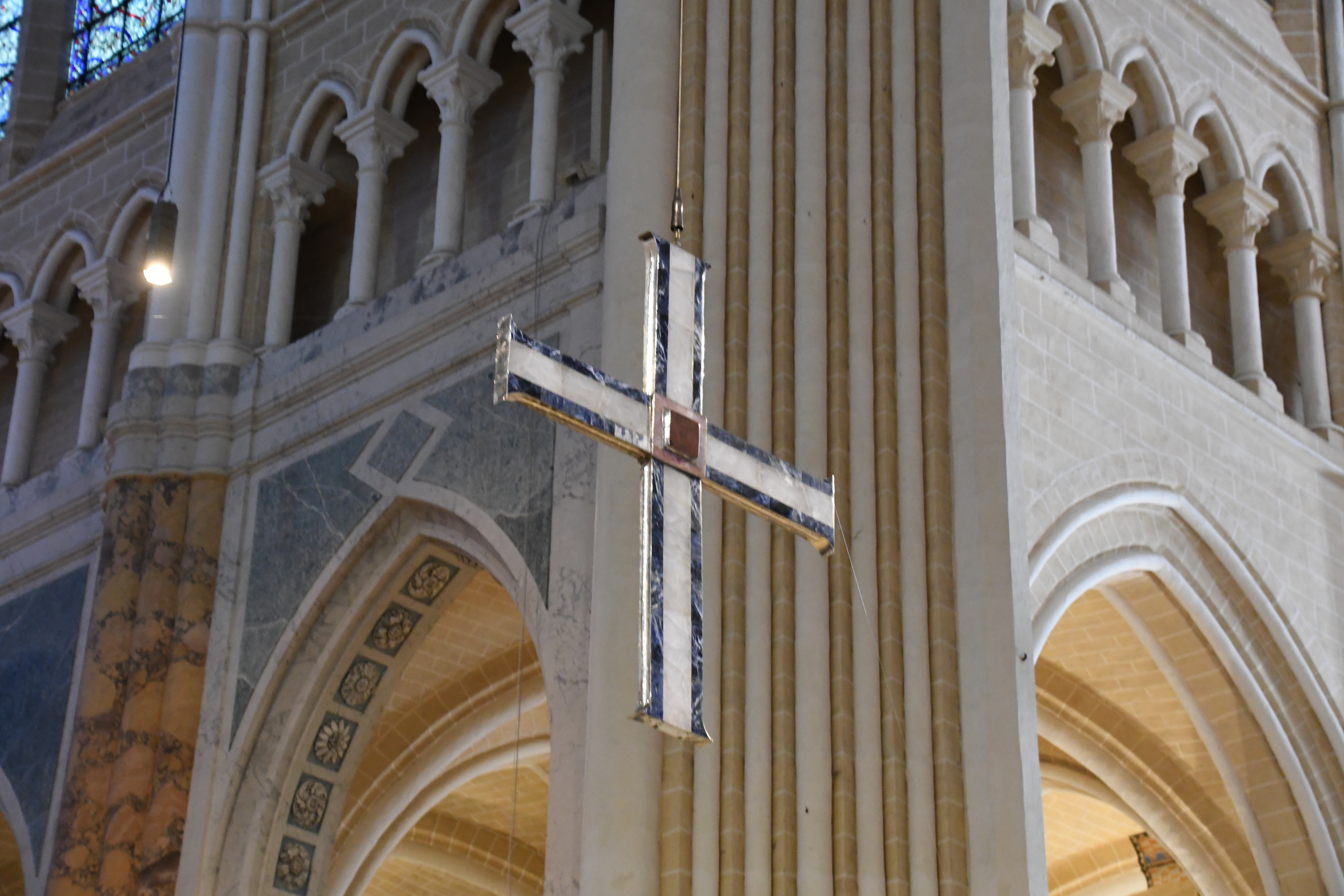
Chartres is celebrated for its Gothic architecture and remarkable stained glass, but its greatest revelation may be the restoration that returned the cathedral to something closer to its original vision. Throughout the cathedral, light interacts with sculpture, stone, and glass to create a space that feels both majestic and welcoming.
The story continues in The Light of Chartres.
Caves

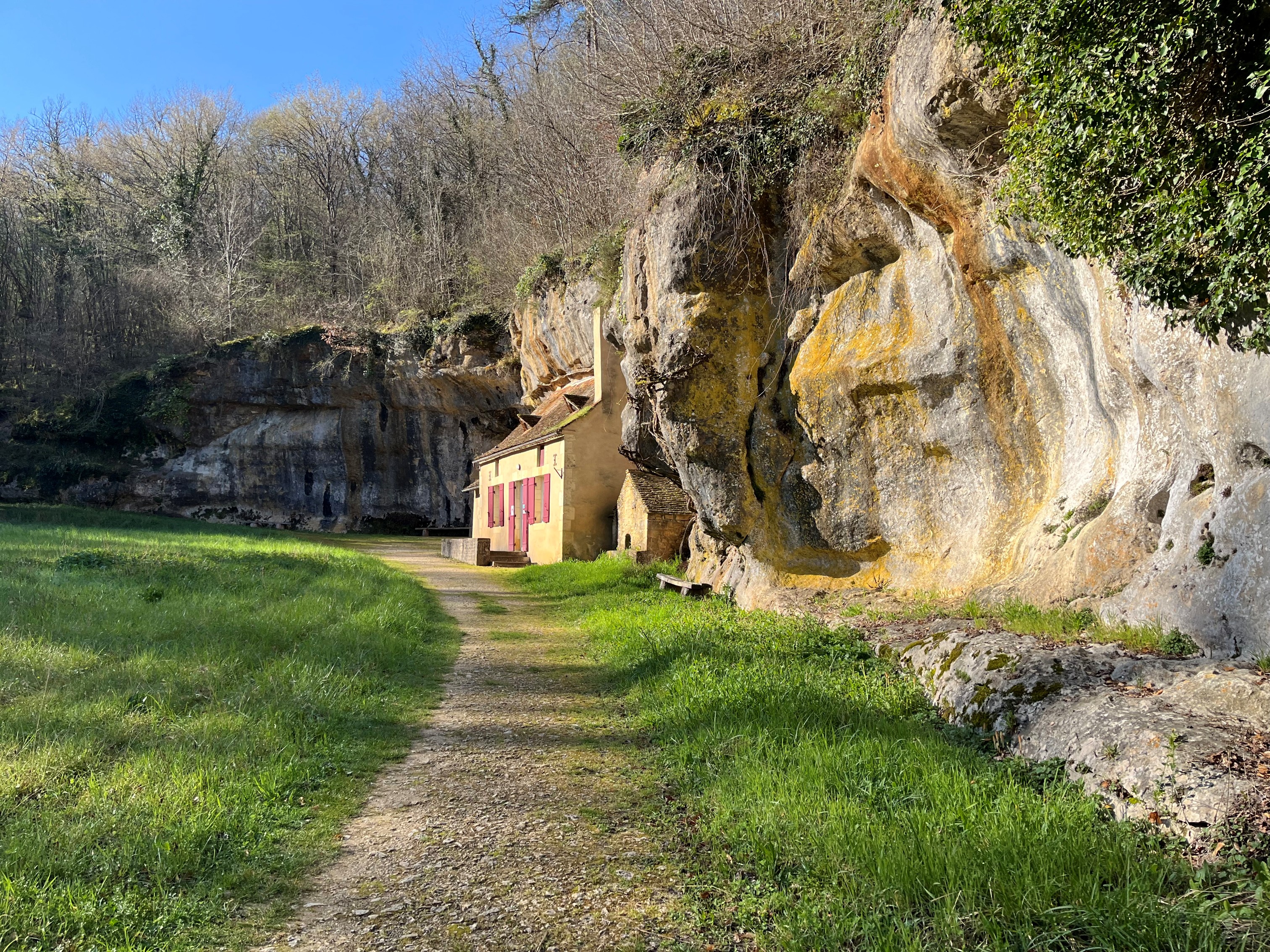
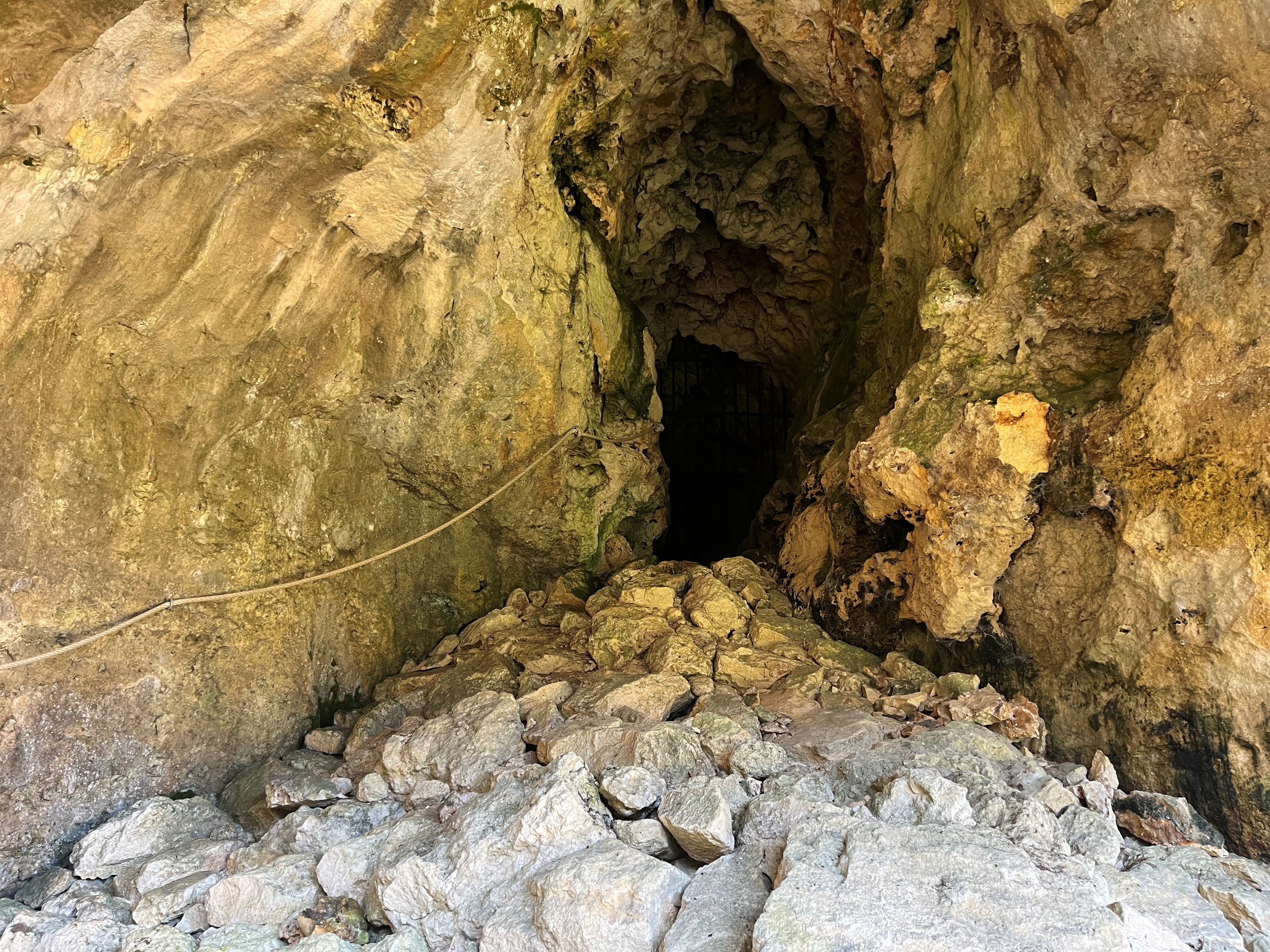
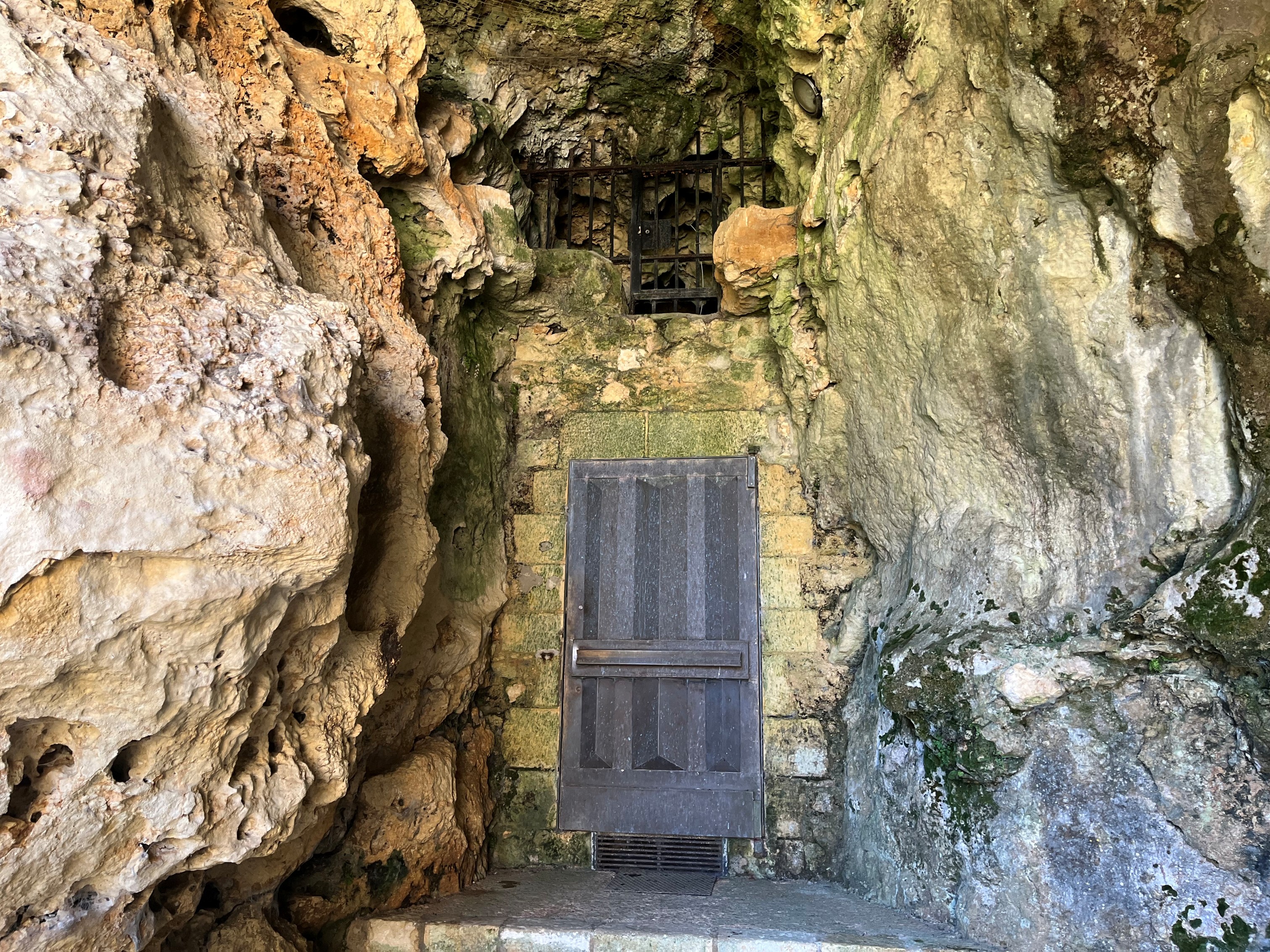
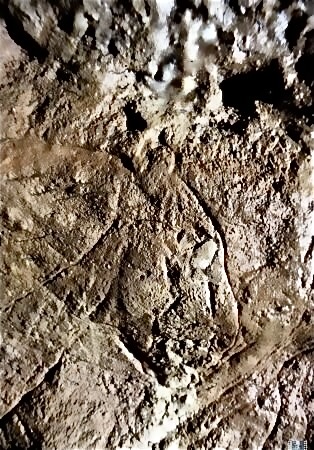
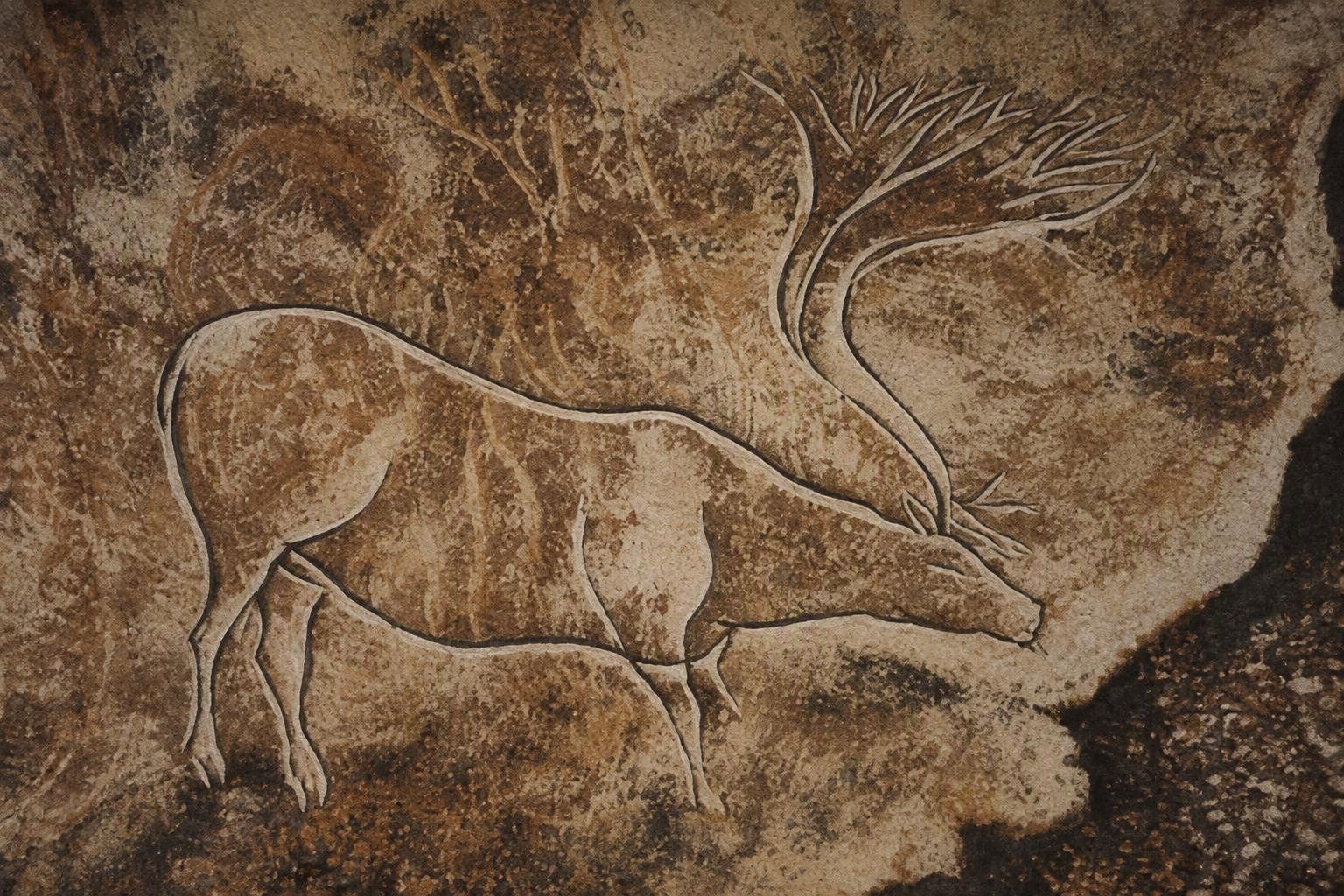
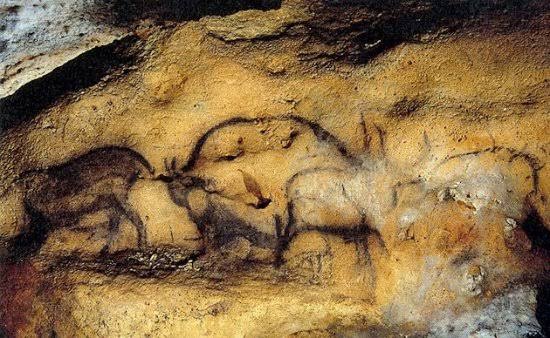
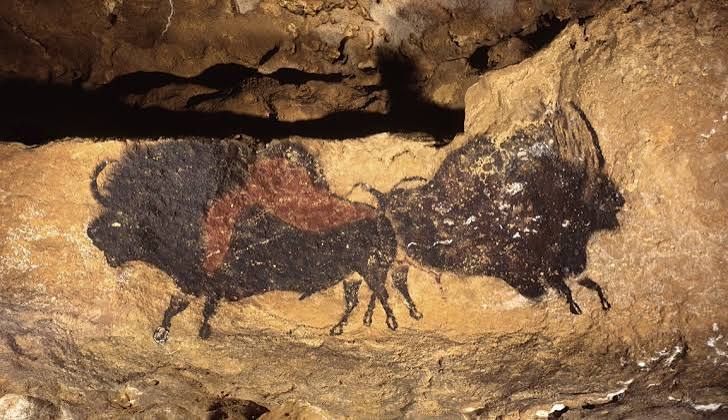
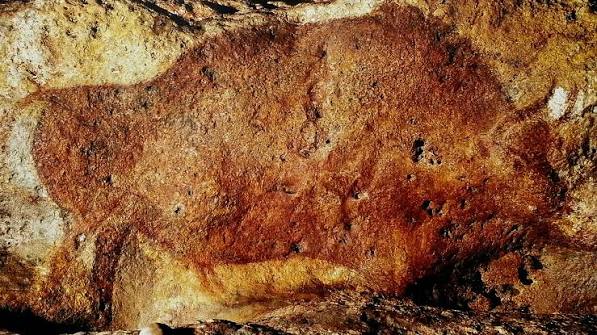
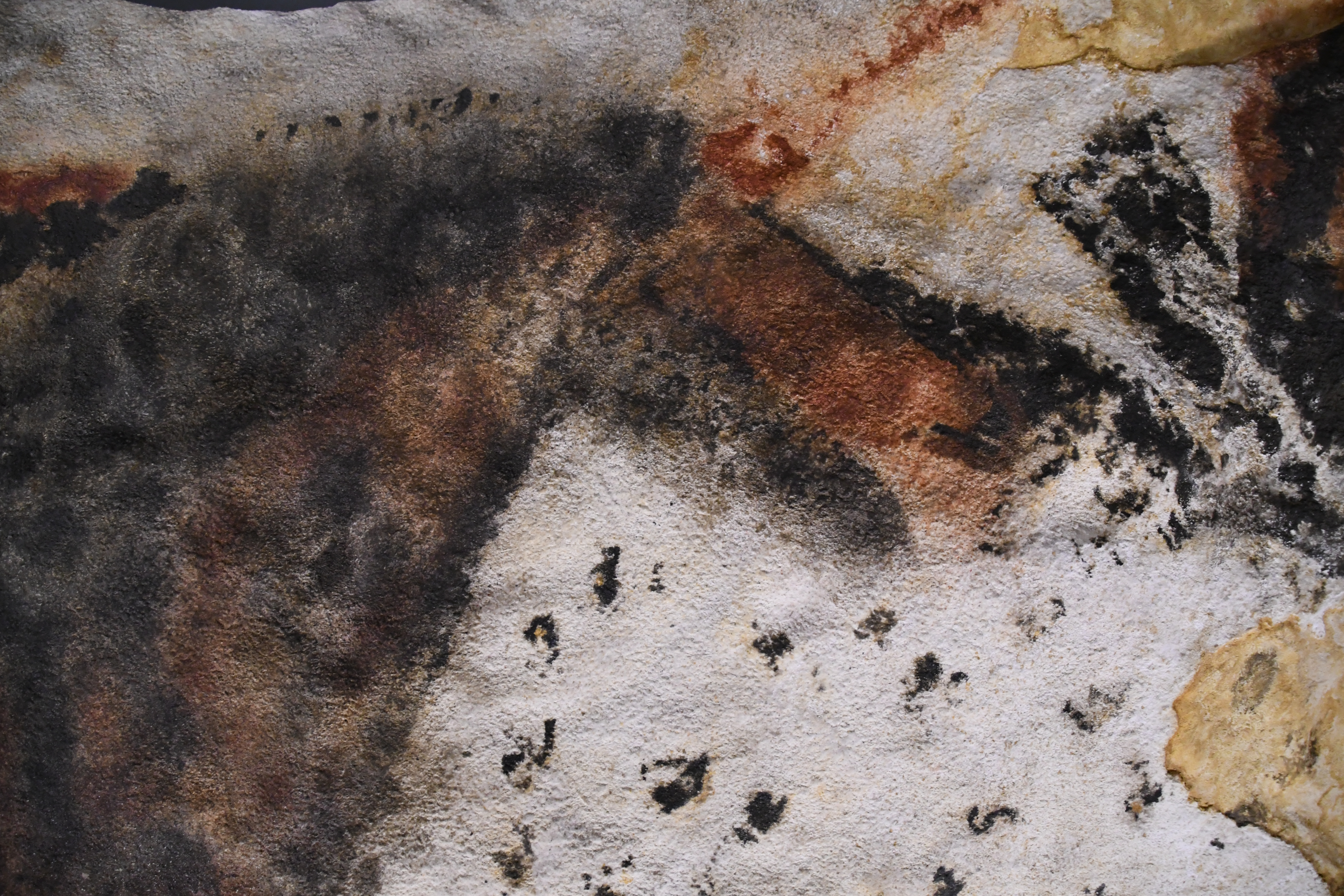
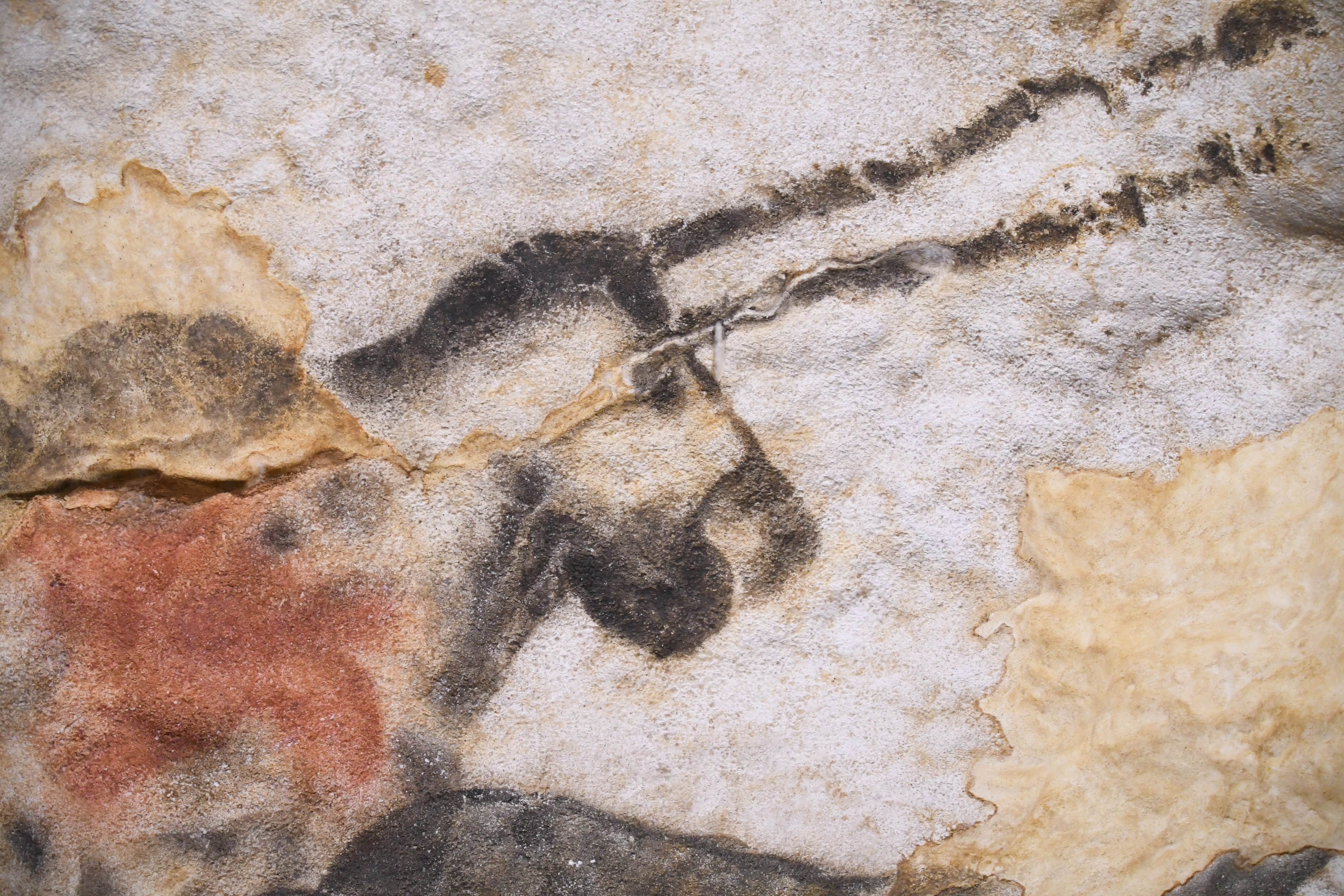
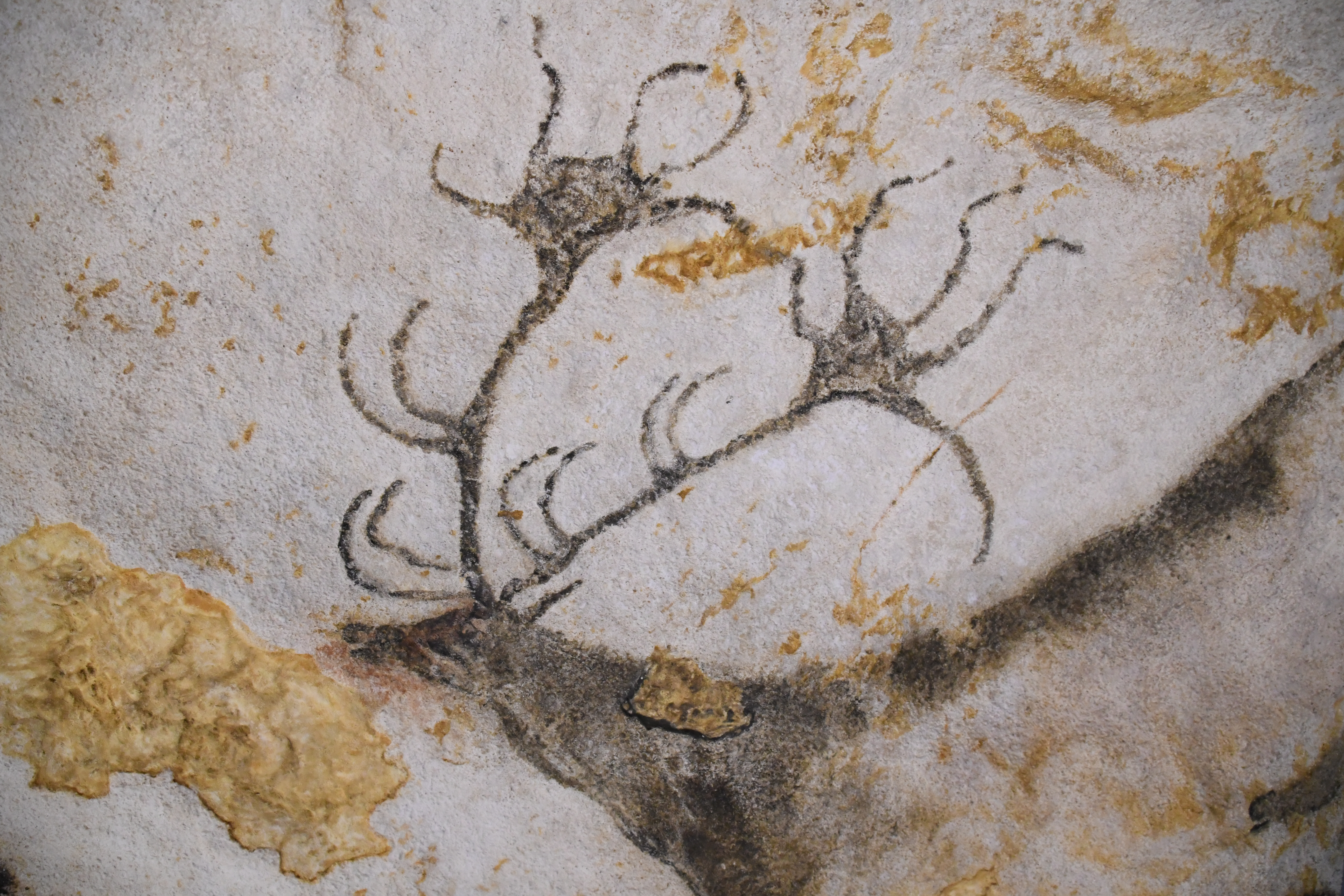
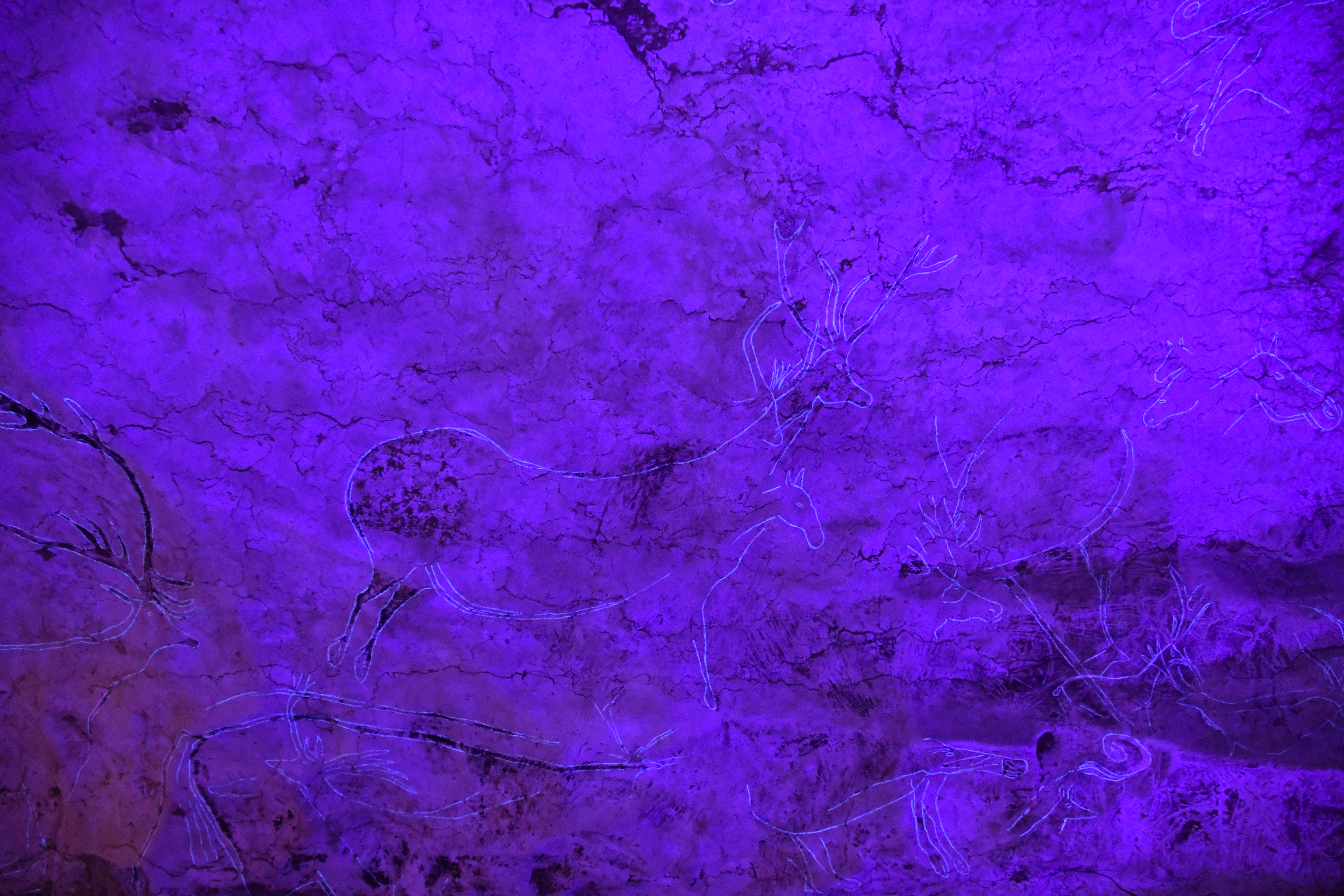
Fifteen thousand years ago, artists entered caves and created works that still connect us to their world today.


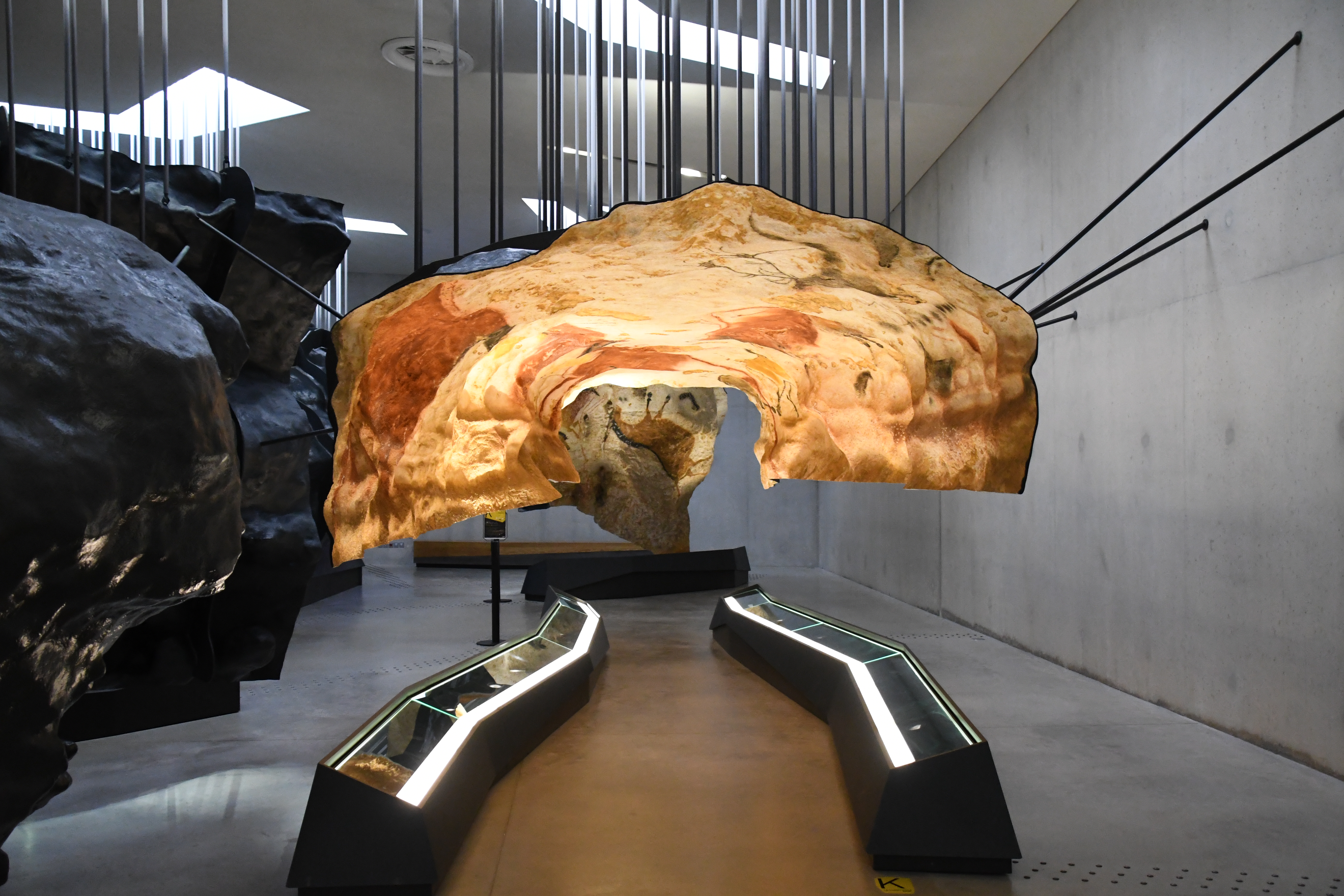
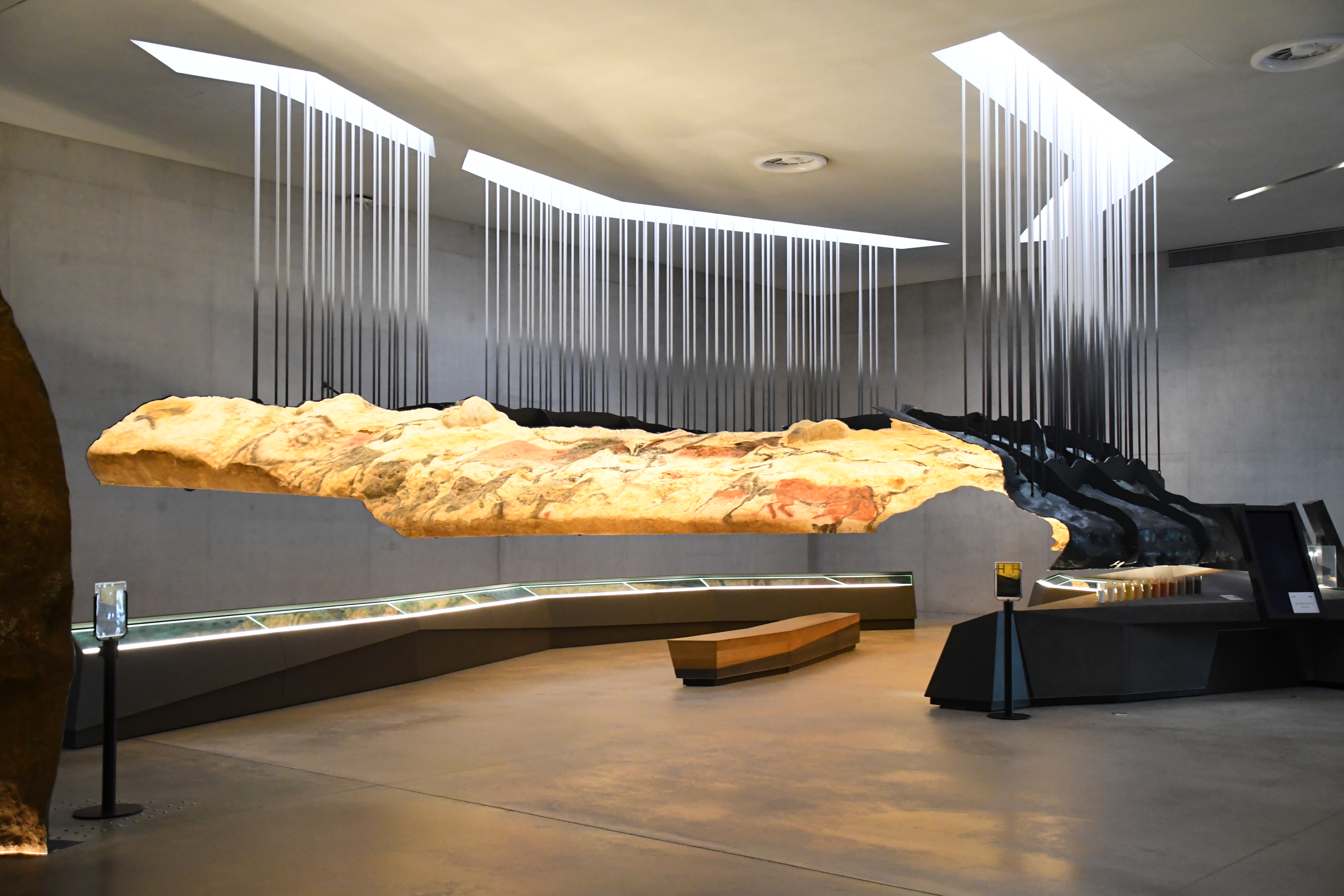
The caves of the Dordogne offer a remarkable journey into humanity's distant past. Beginning at Grotte des Combarelles, where visitors follow in the footsteps of prehistoric artists, the story continues through the painted bison of Font de Gaume, and the masterpieces recreated at Lascaux. It concludes with the technology and craftsmanship now used to preserve these fragile works for future generations.
The story continues with Standing in the Footsteps.
Castles (and villages)

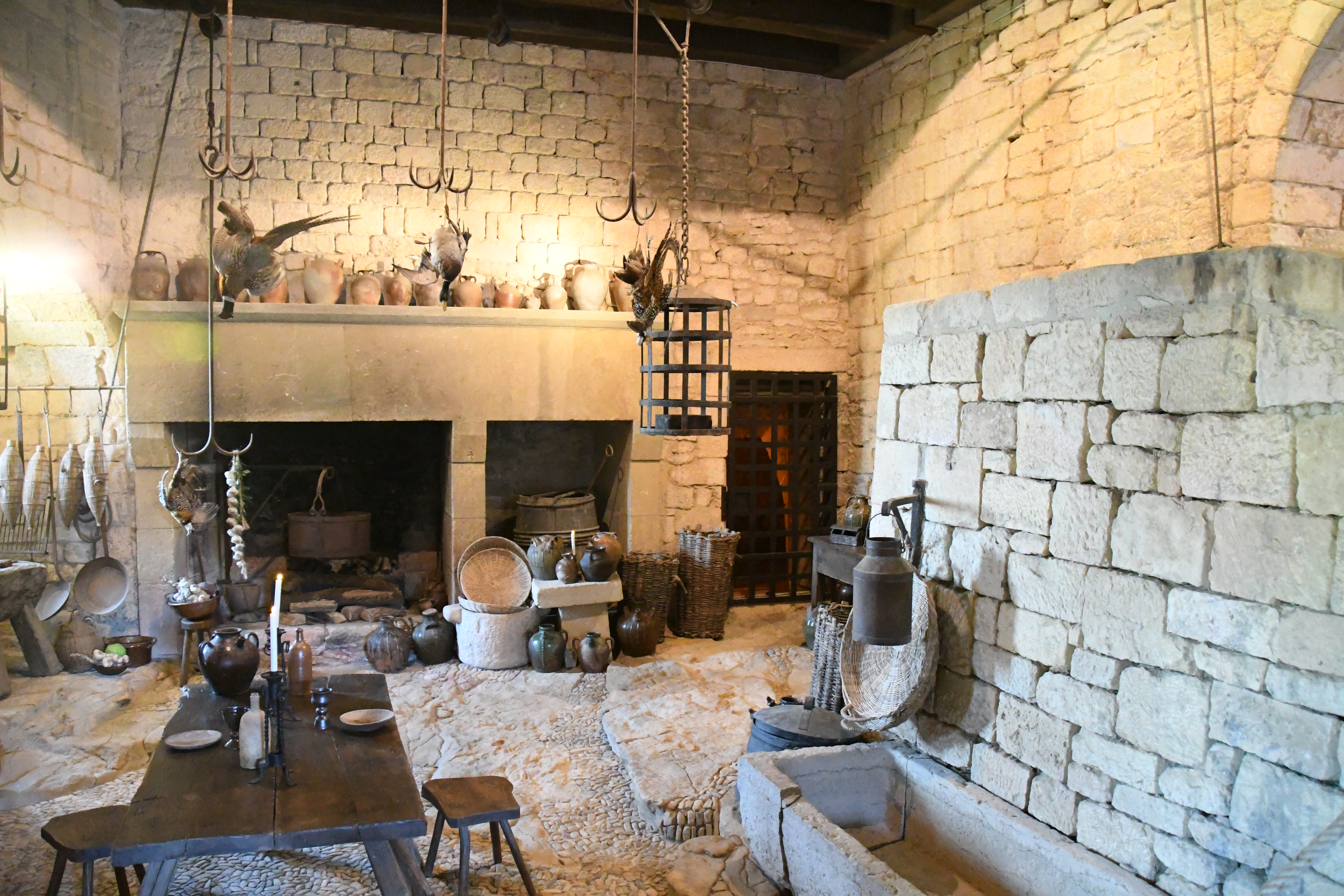
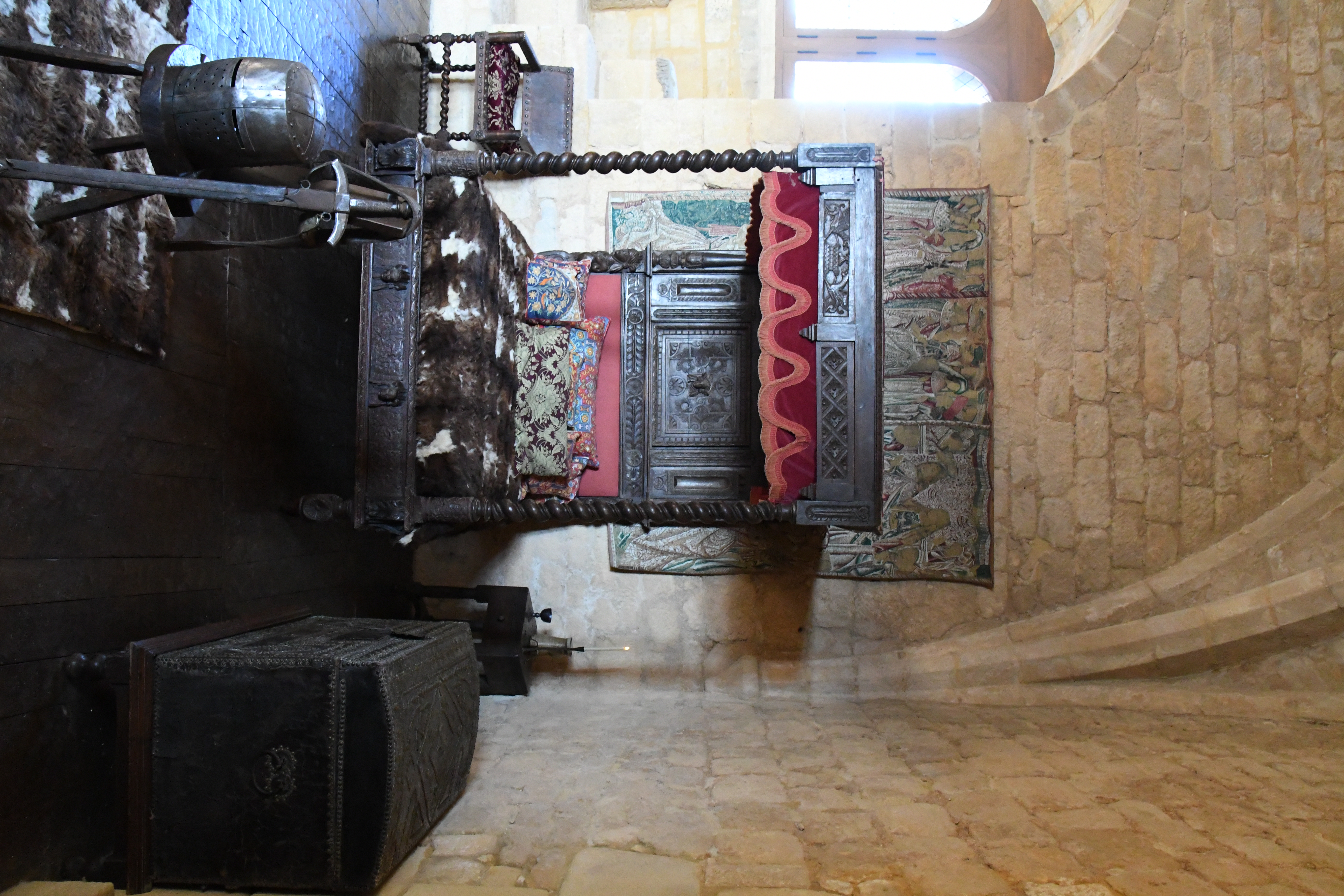
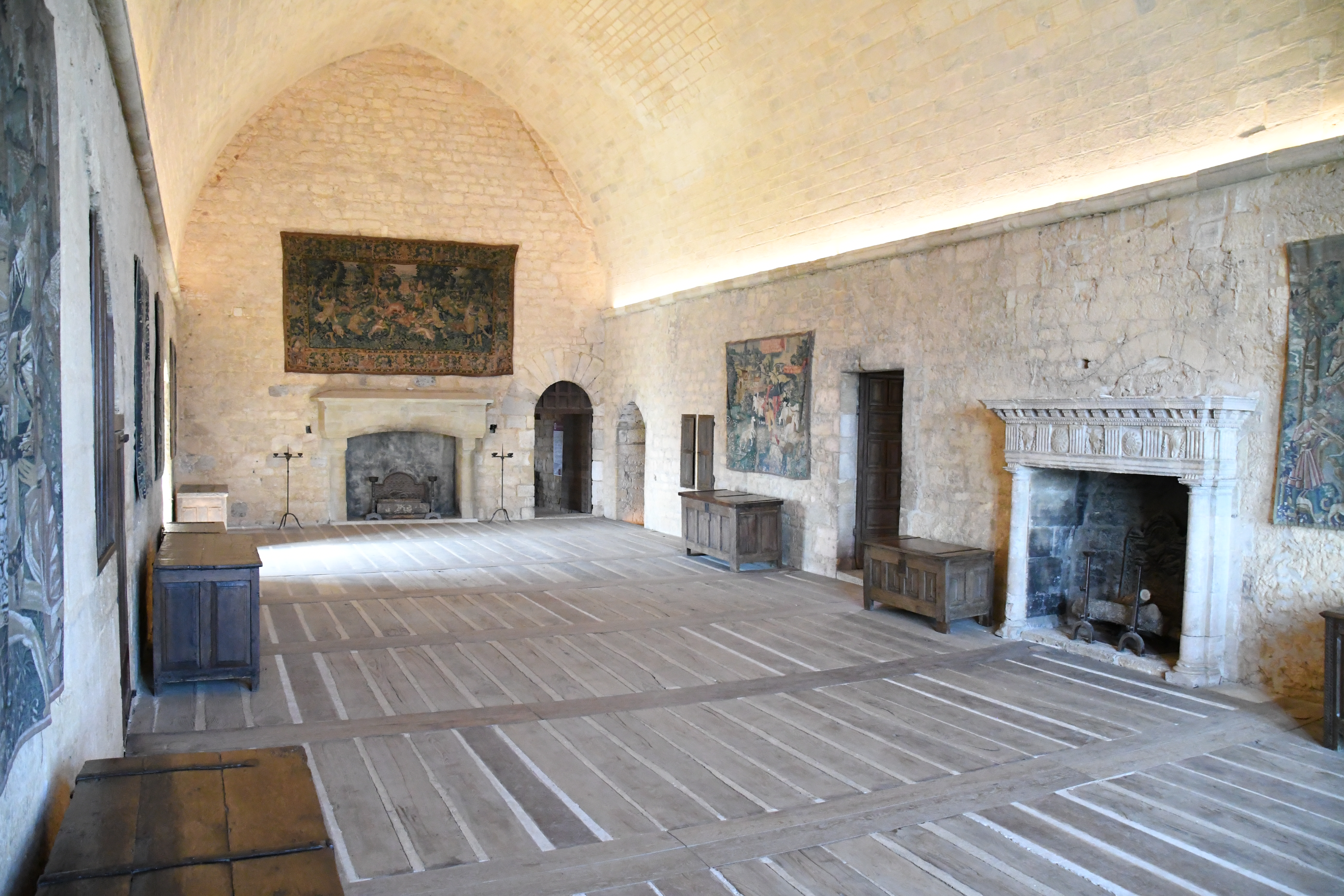
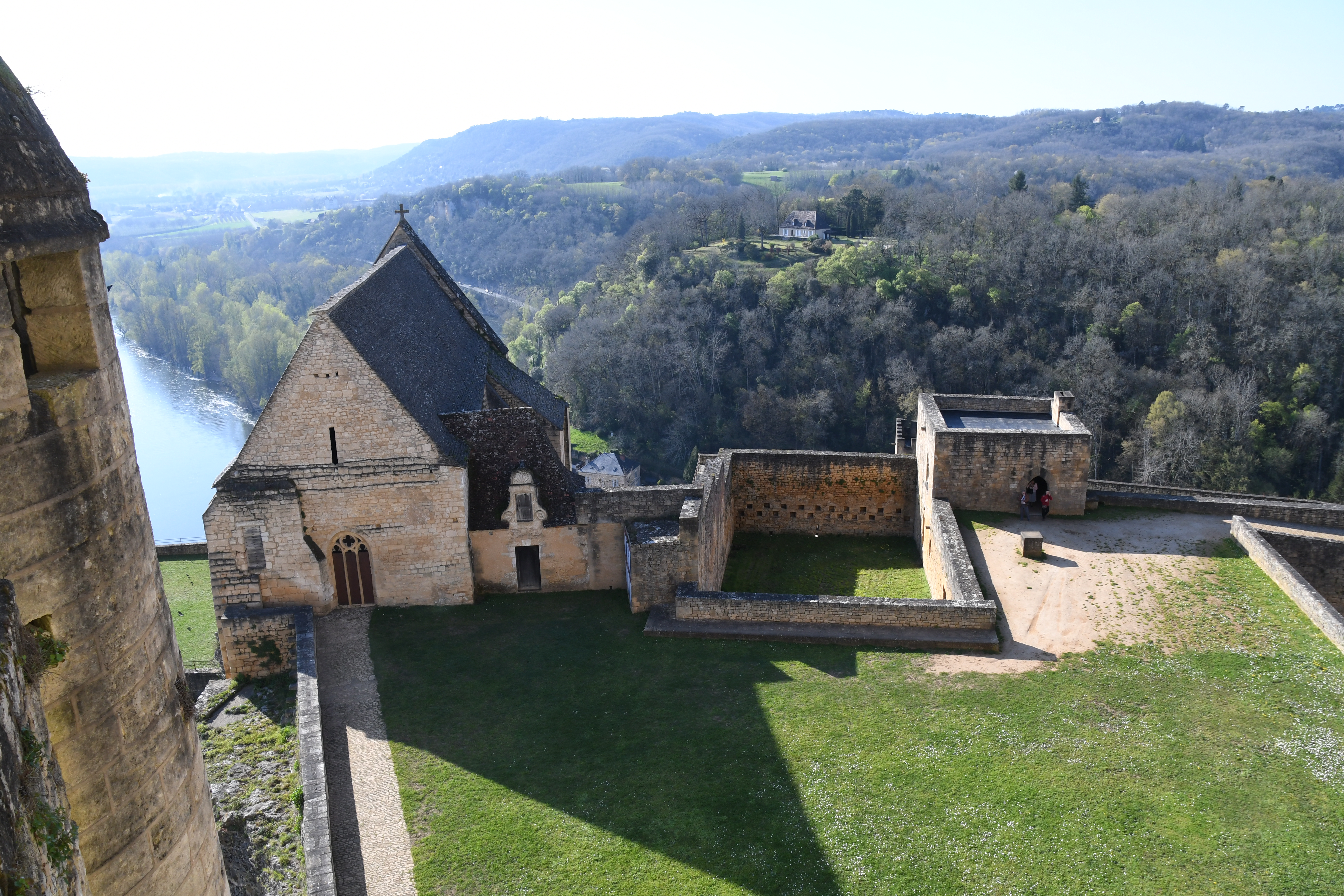
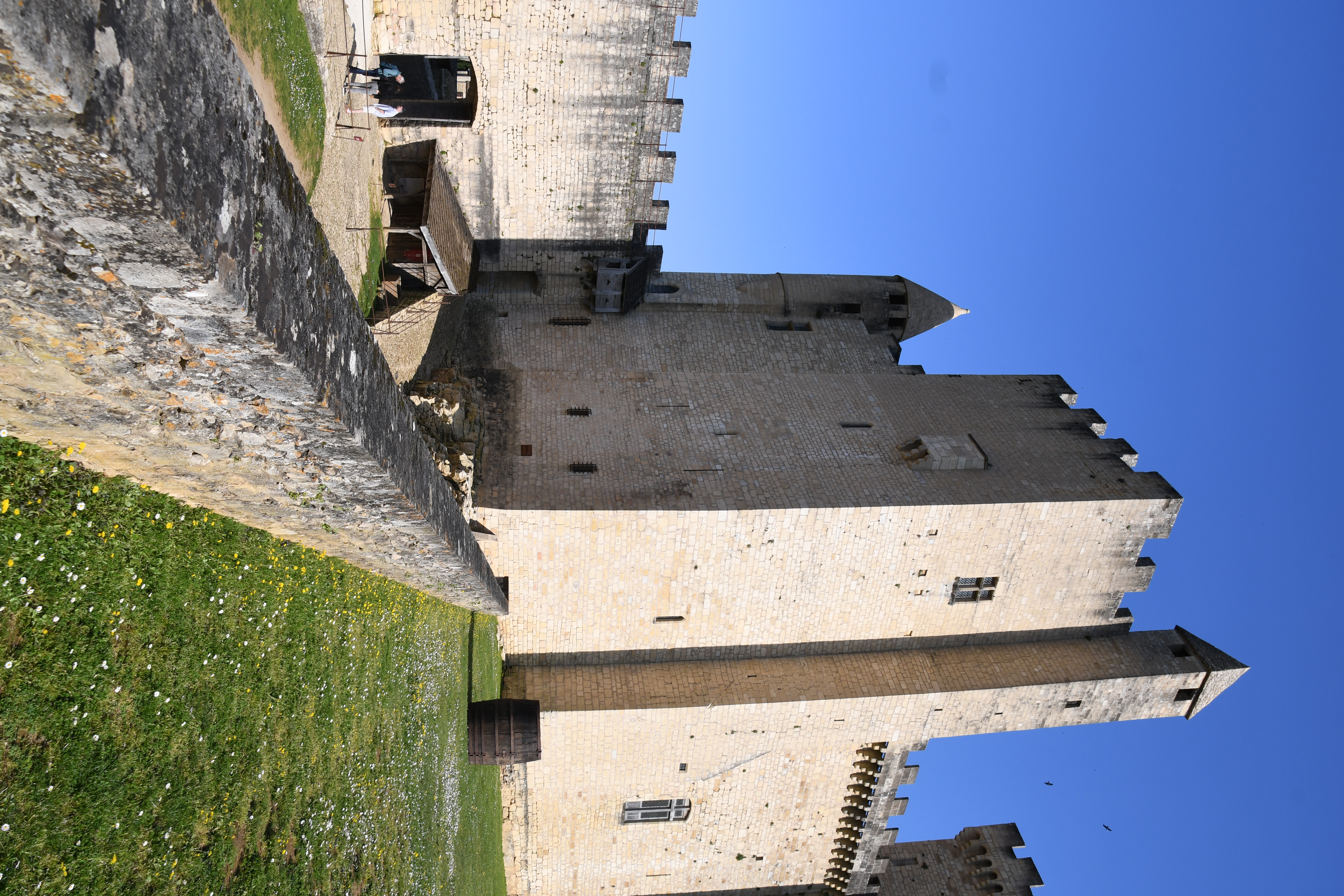
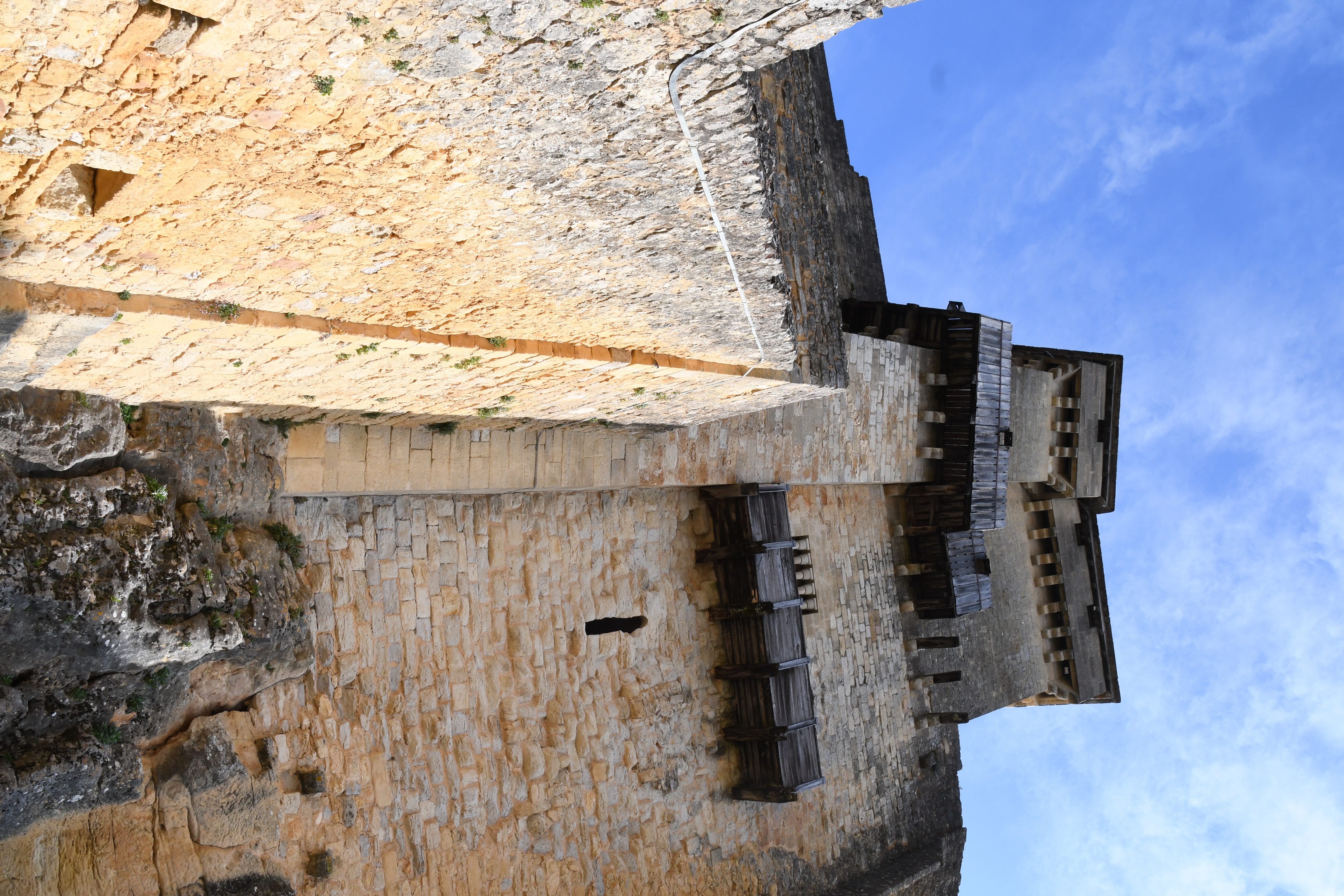
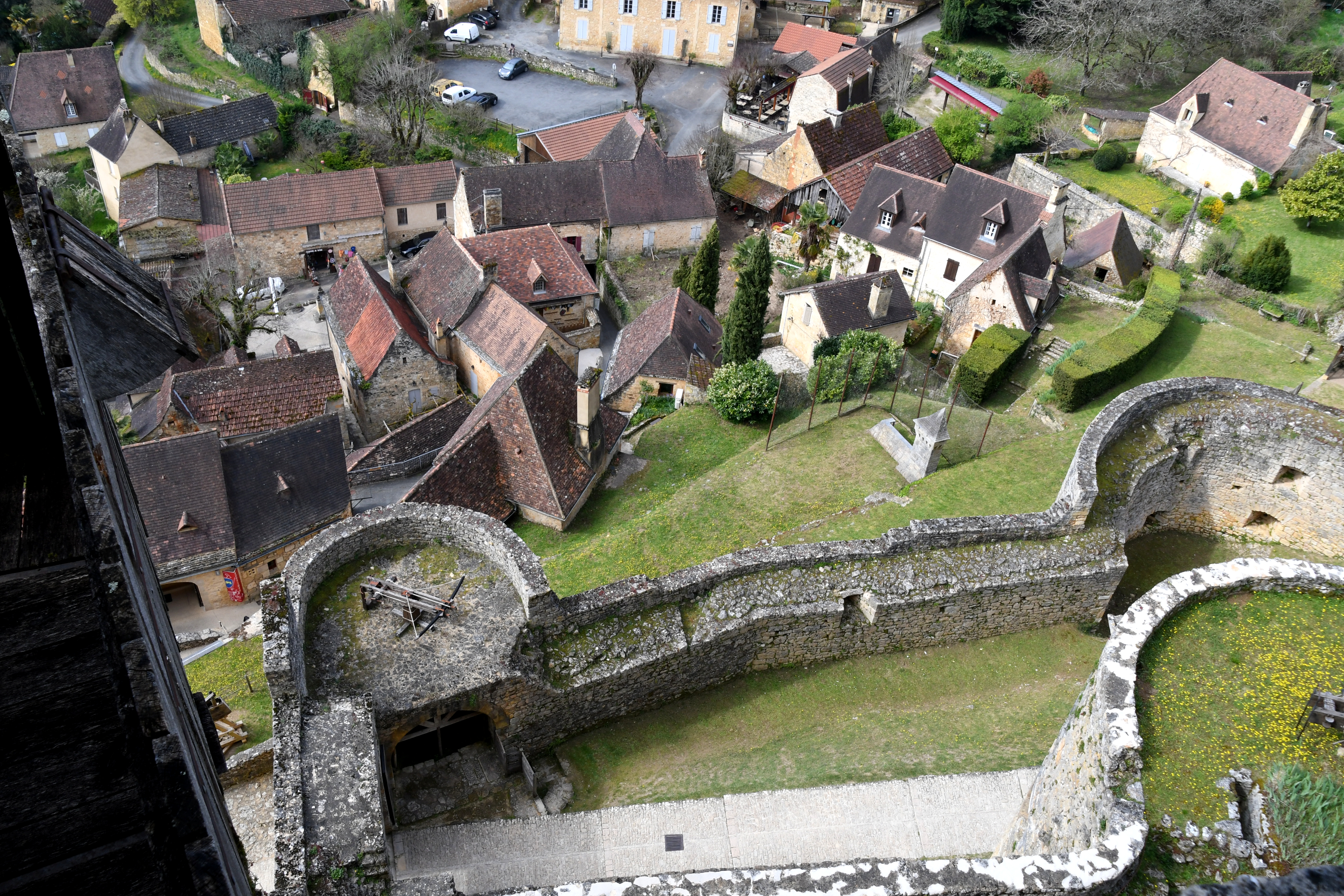
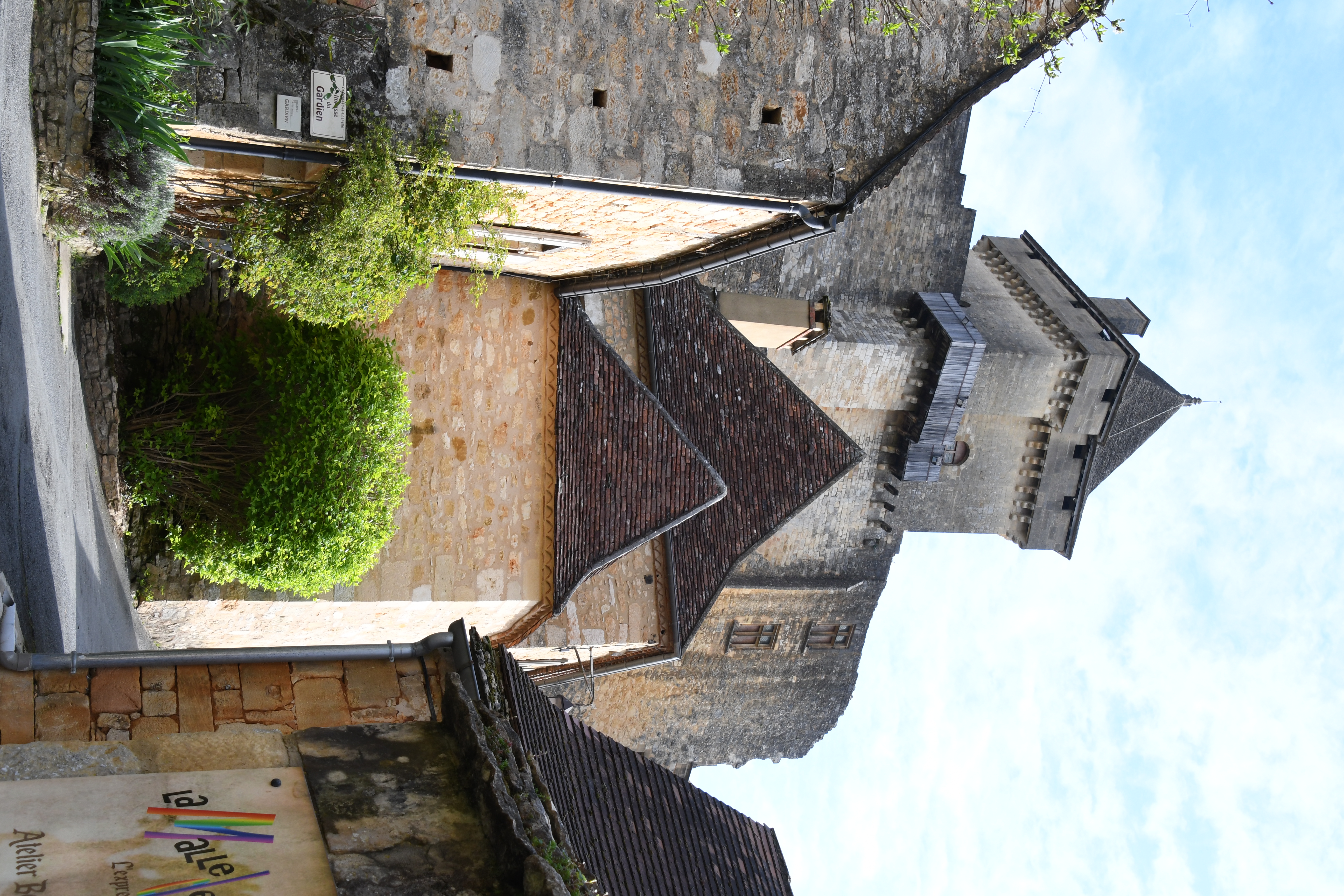
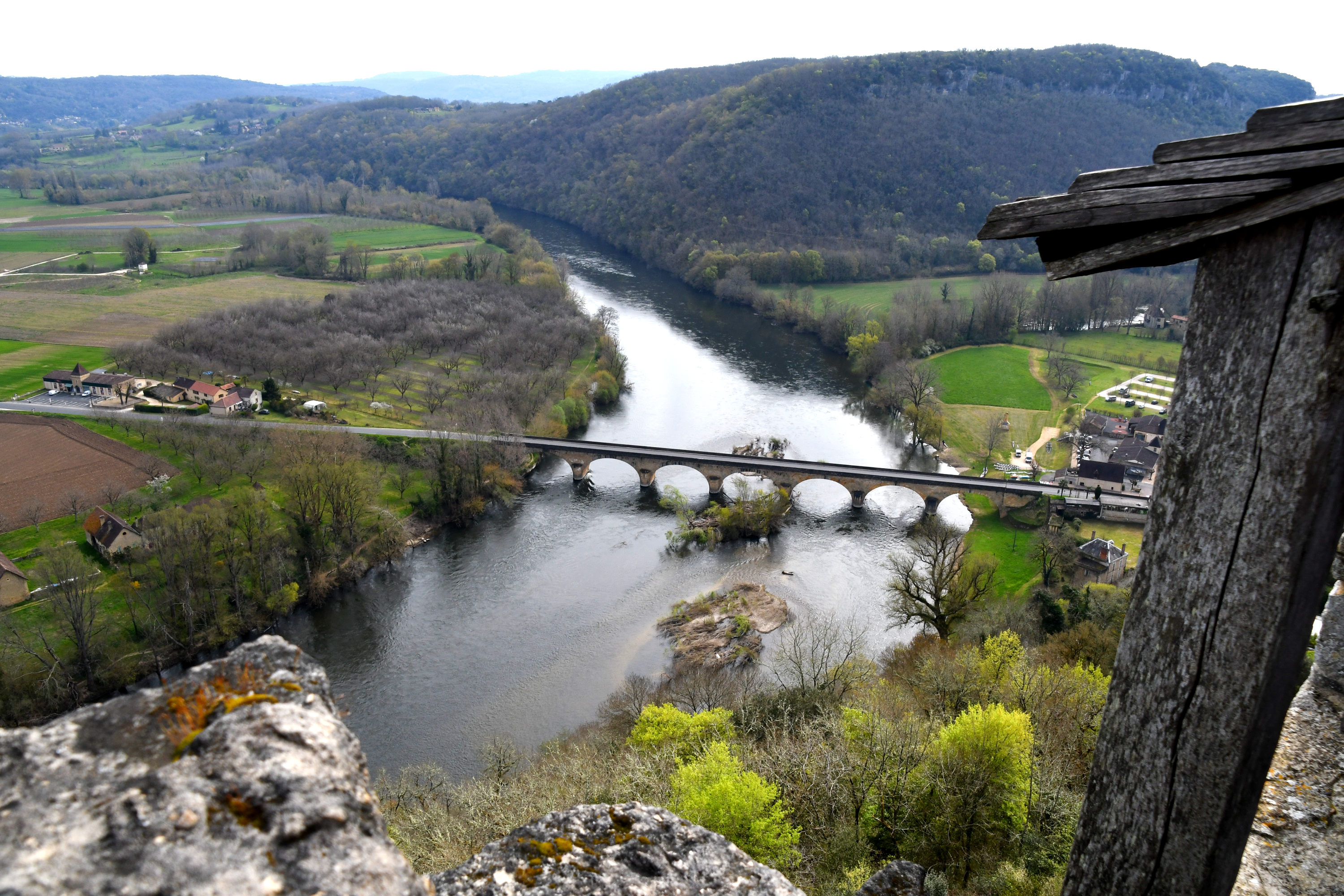
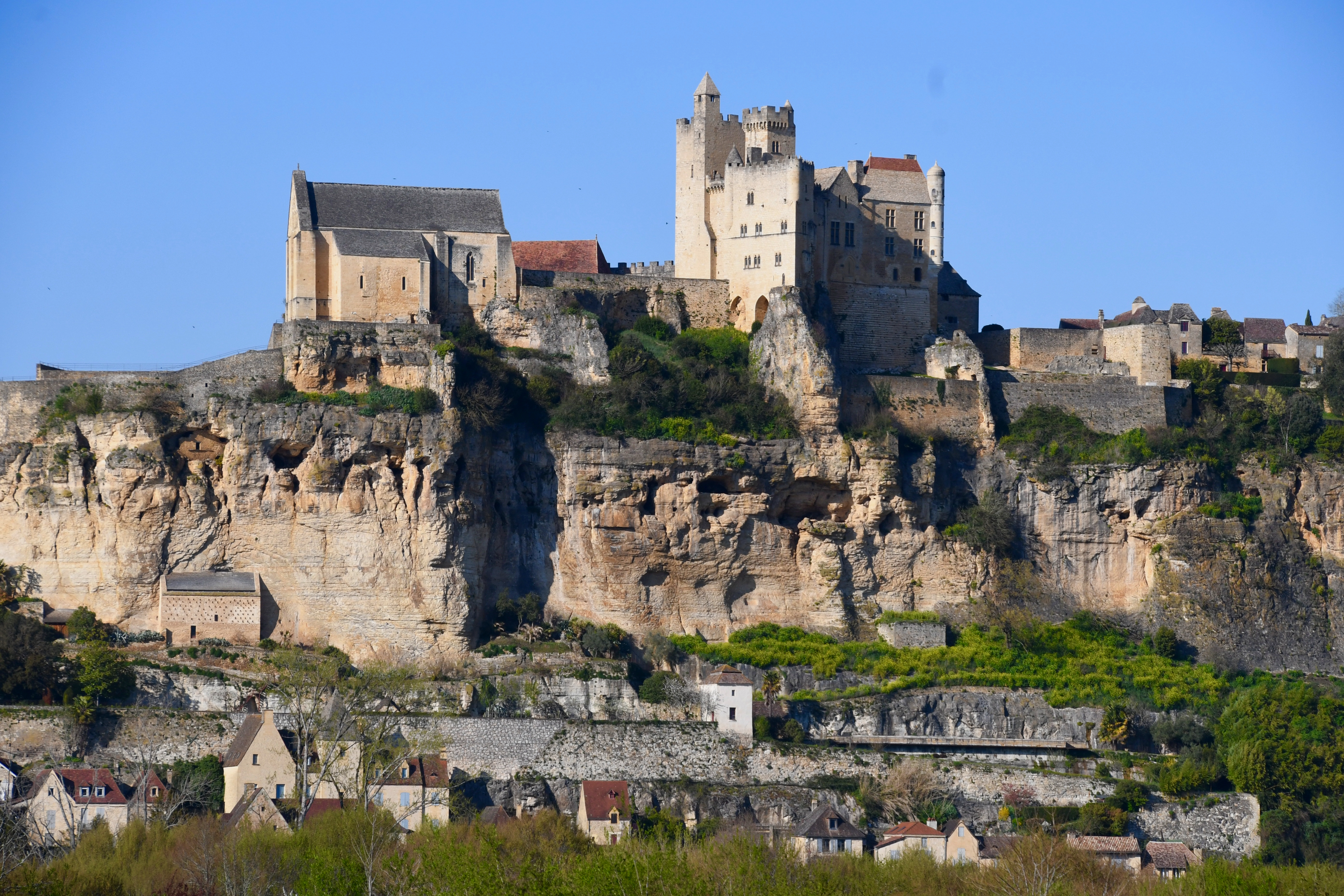
Rising from the limestone cliffs above the river, Château de Beynac dominates the landscape much as it has for centuries. Its position made it one of the most important strongholds in the region.


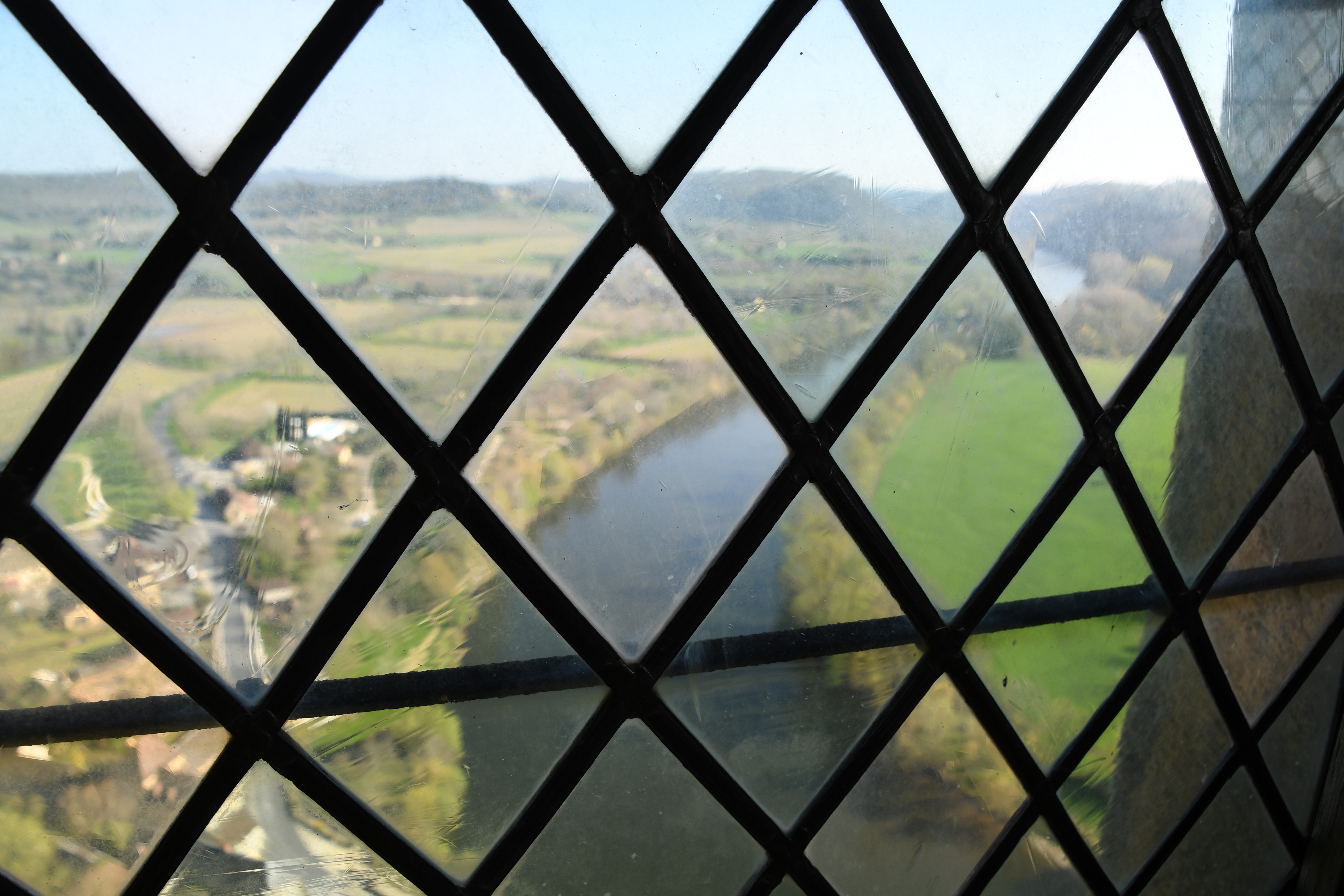
At Beynac, the castles of the Dordogne become more than impressive fortresses. The castle's halls, chambers, and views connect visitors to the rulers who shaped the region and help explain why this beautiful valley was so important to defend. Their story continues in Why So Many Castles?

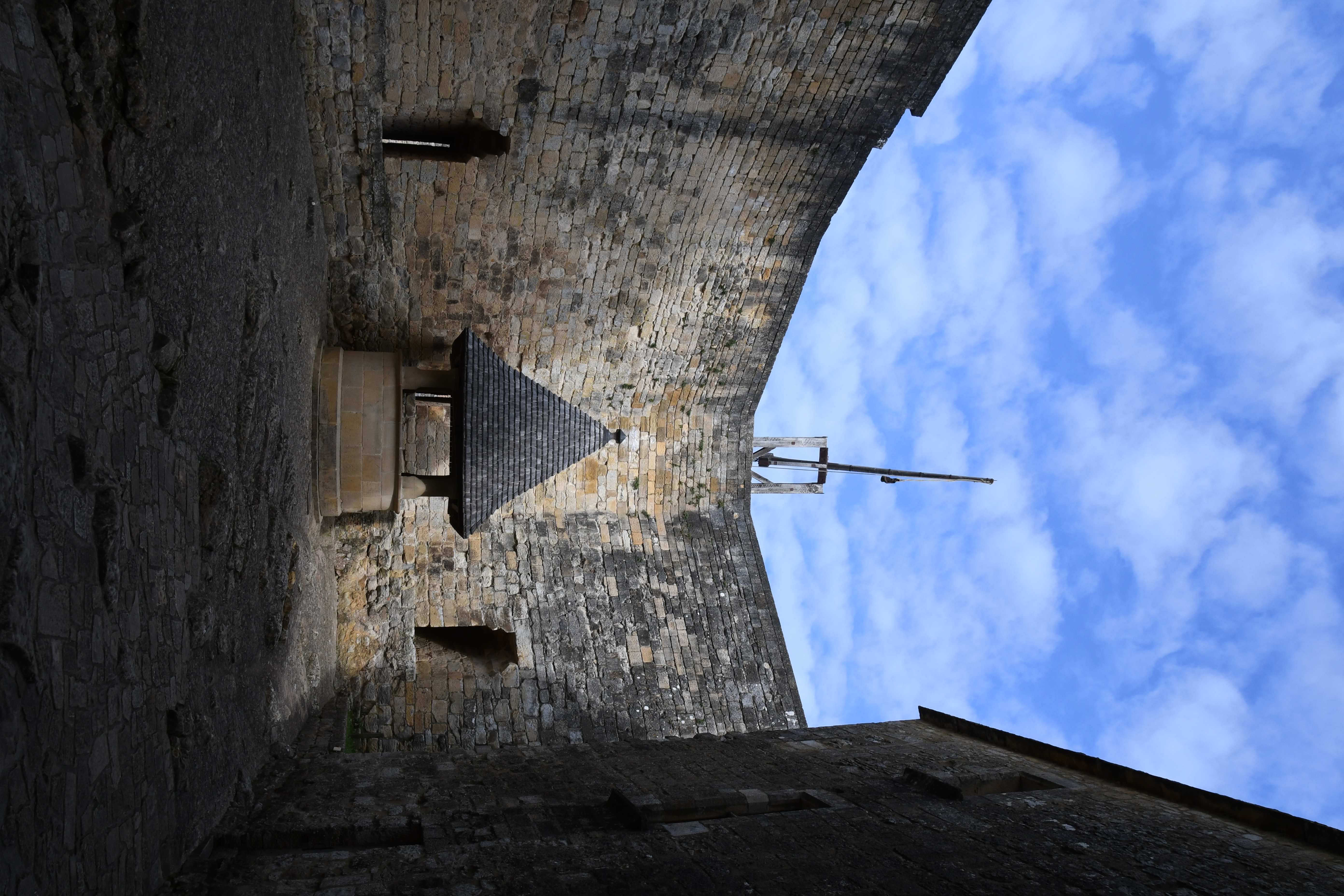
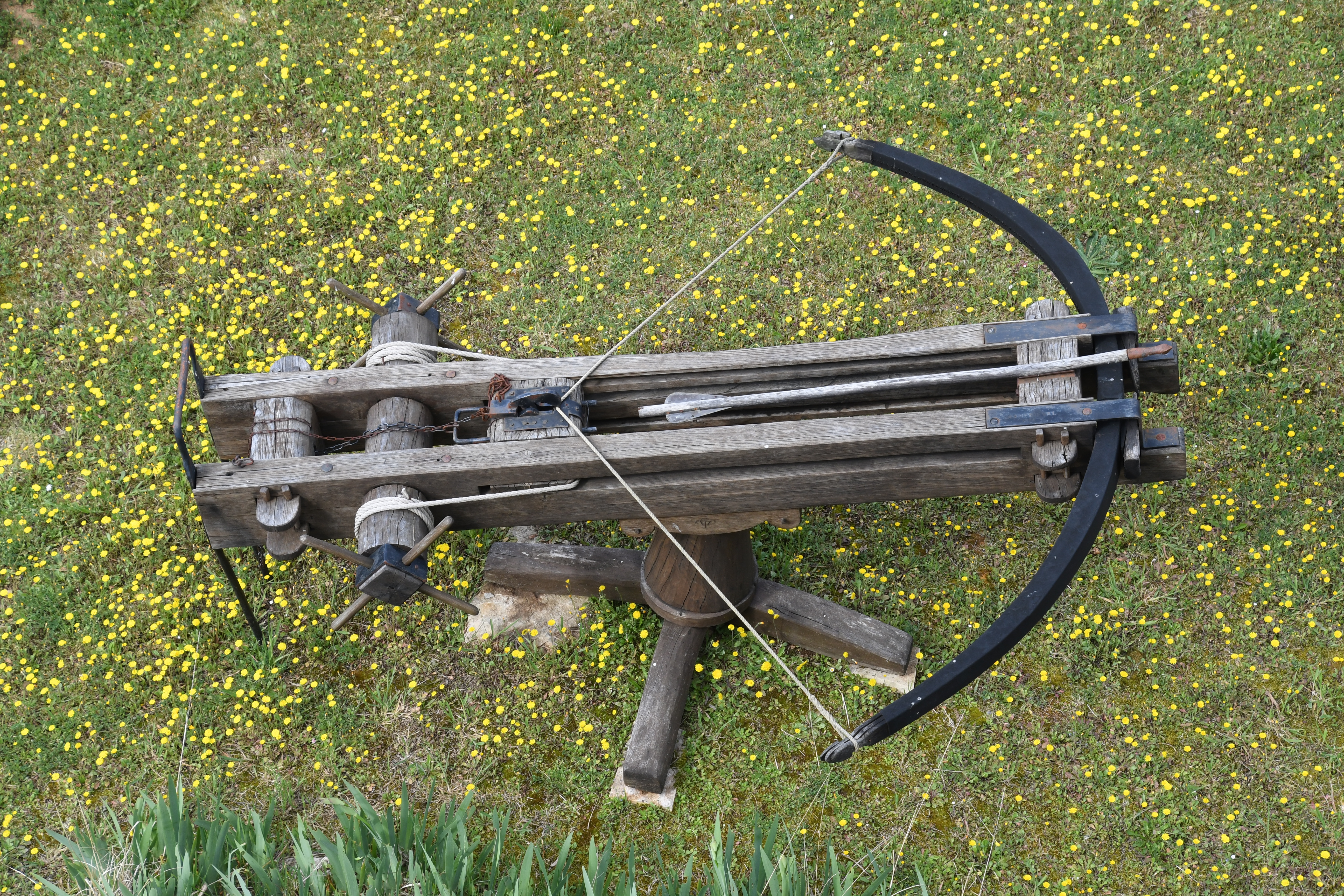
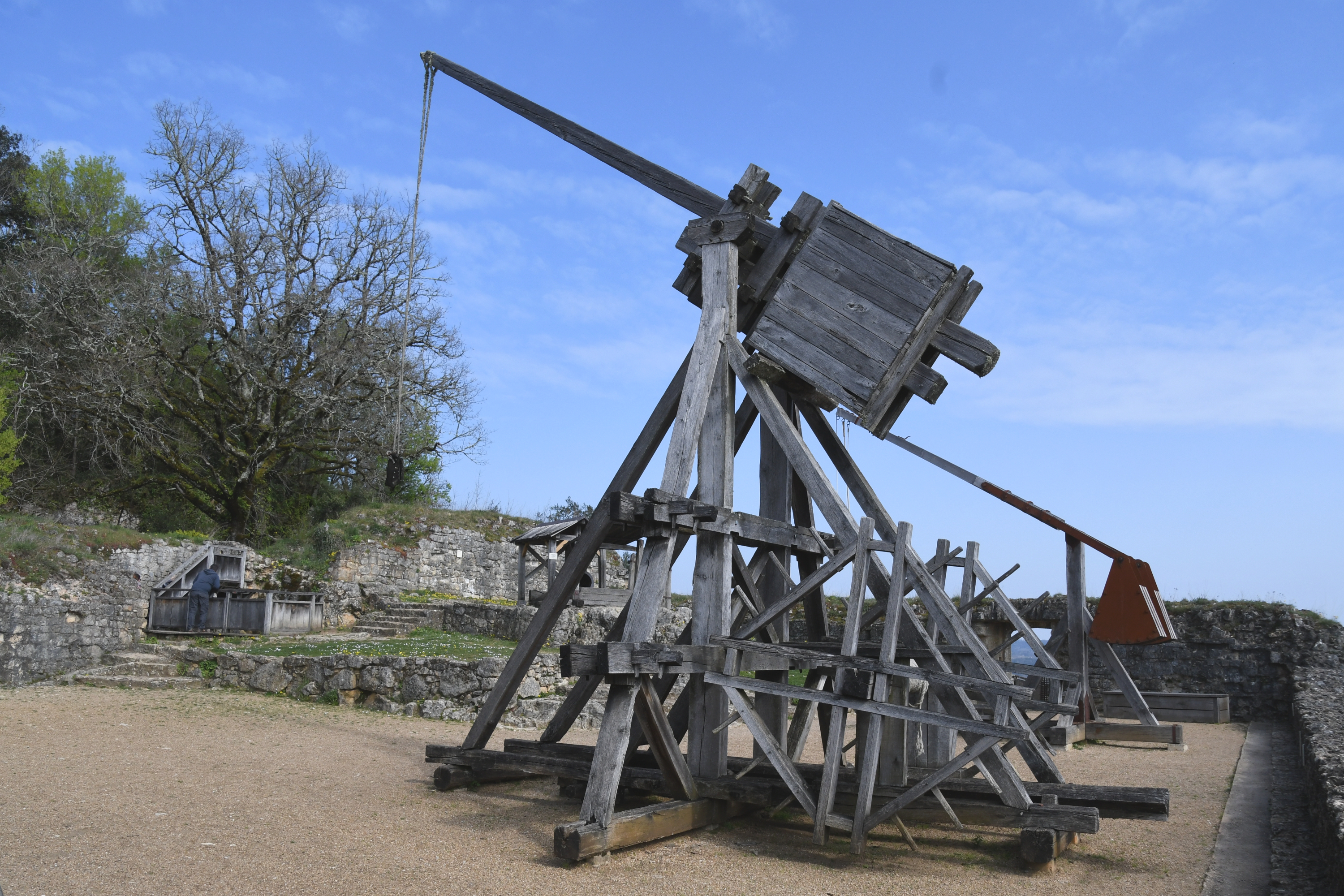
Castelnaud was a fortress first. Its walls, towers, and defenses were built for a world where power had to be protected.


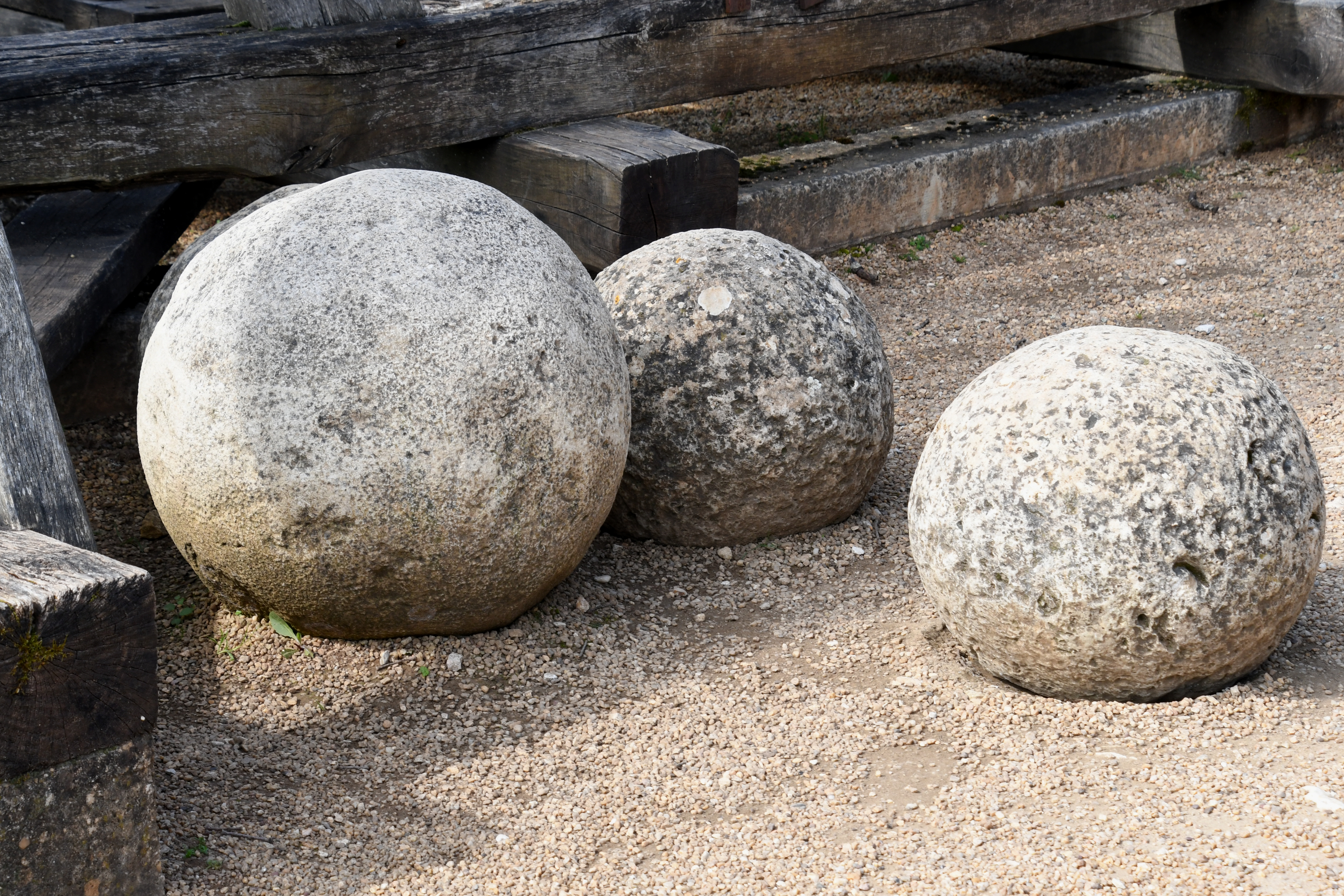
From rival strongholds overlooking the Dordogne River to the weapons used to defend them, Castelnaud helps explain why this beautiful valley was worth controlling and worth fighting for. Their story continues in Why So Many Castles?

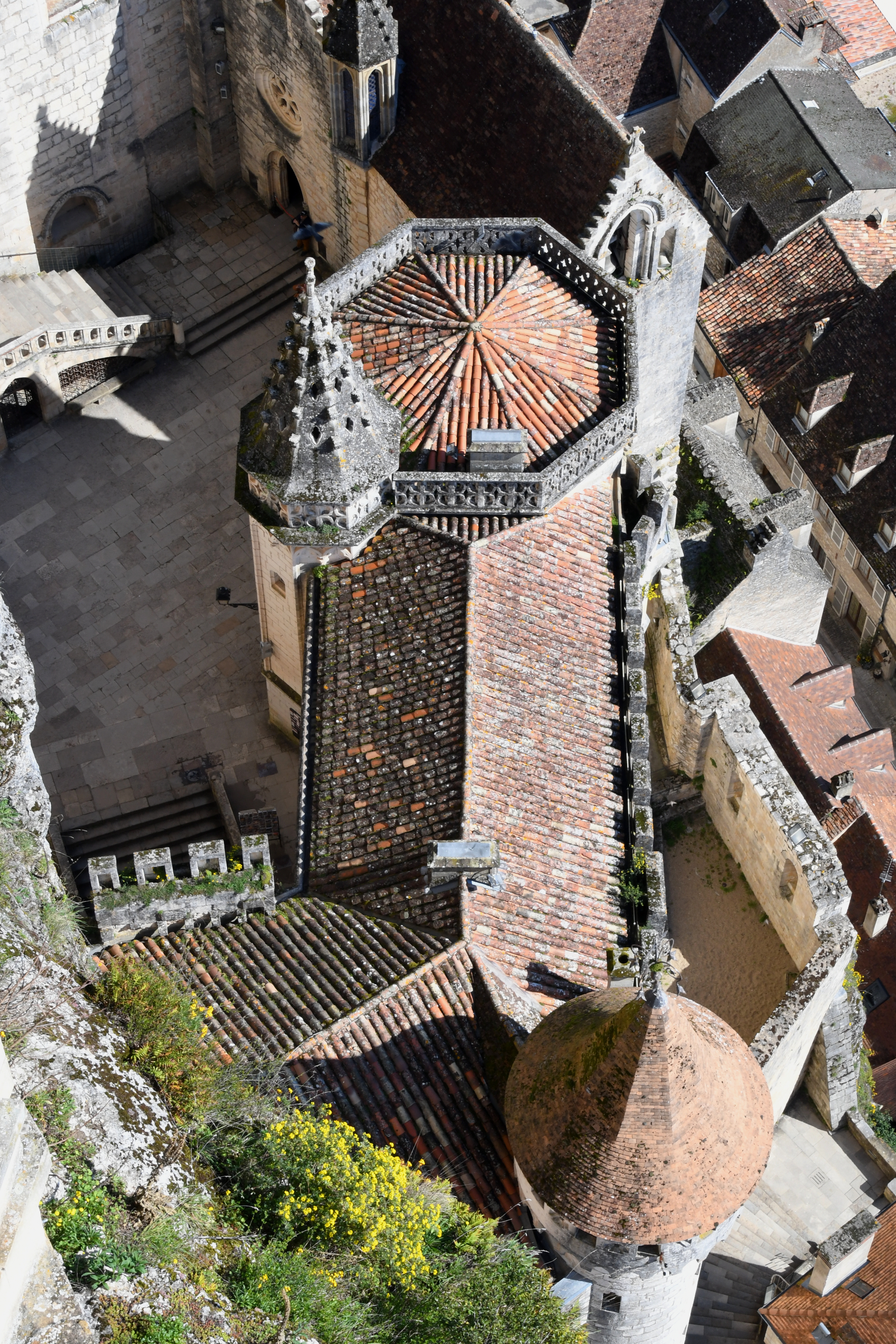
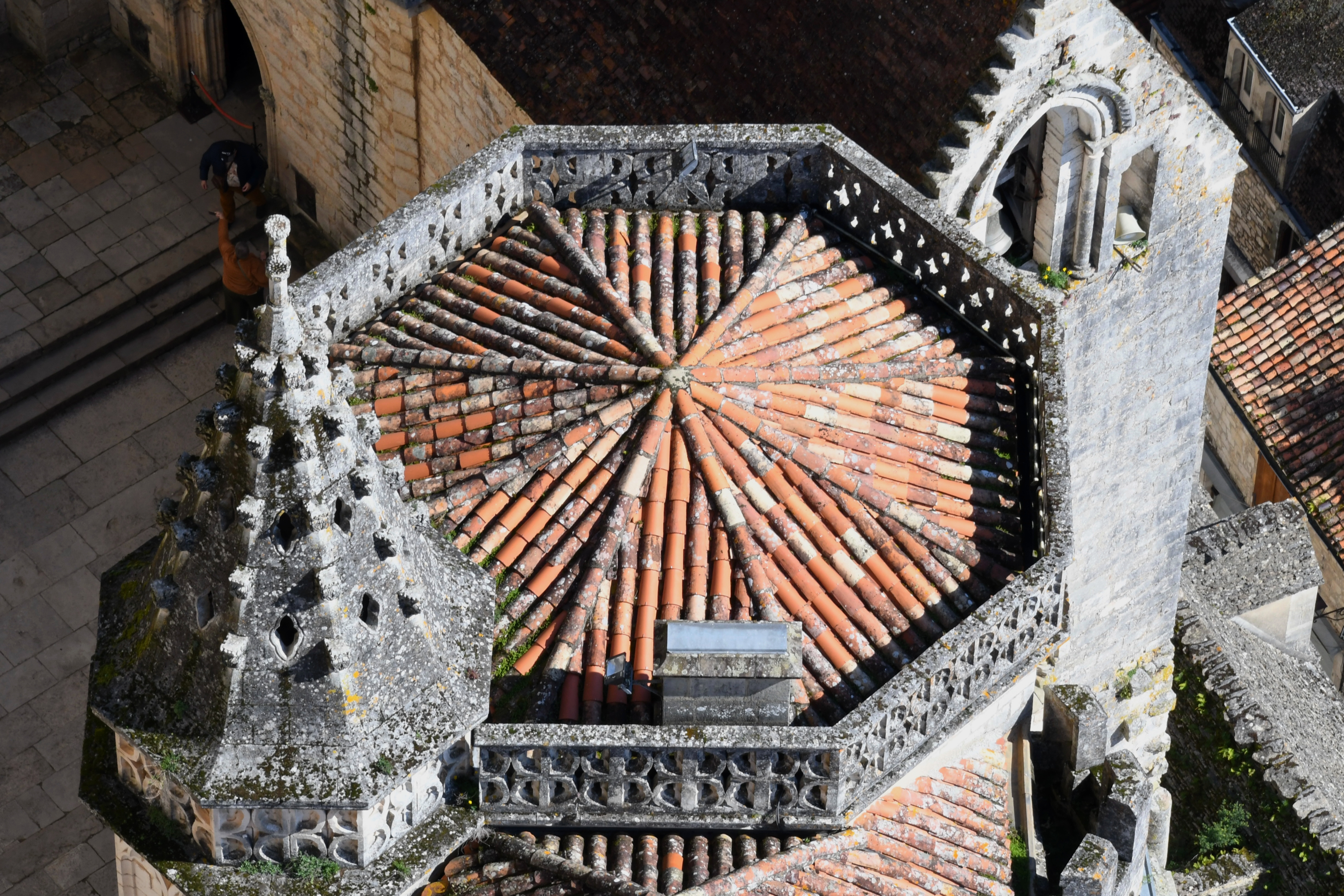
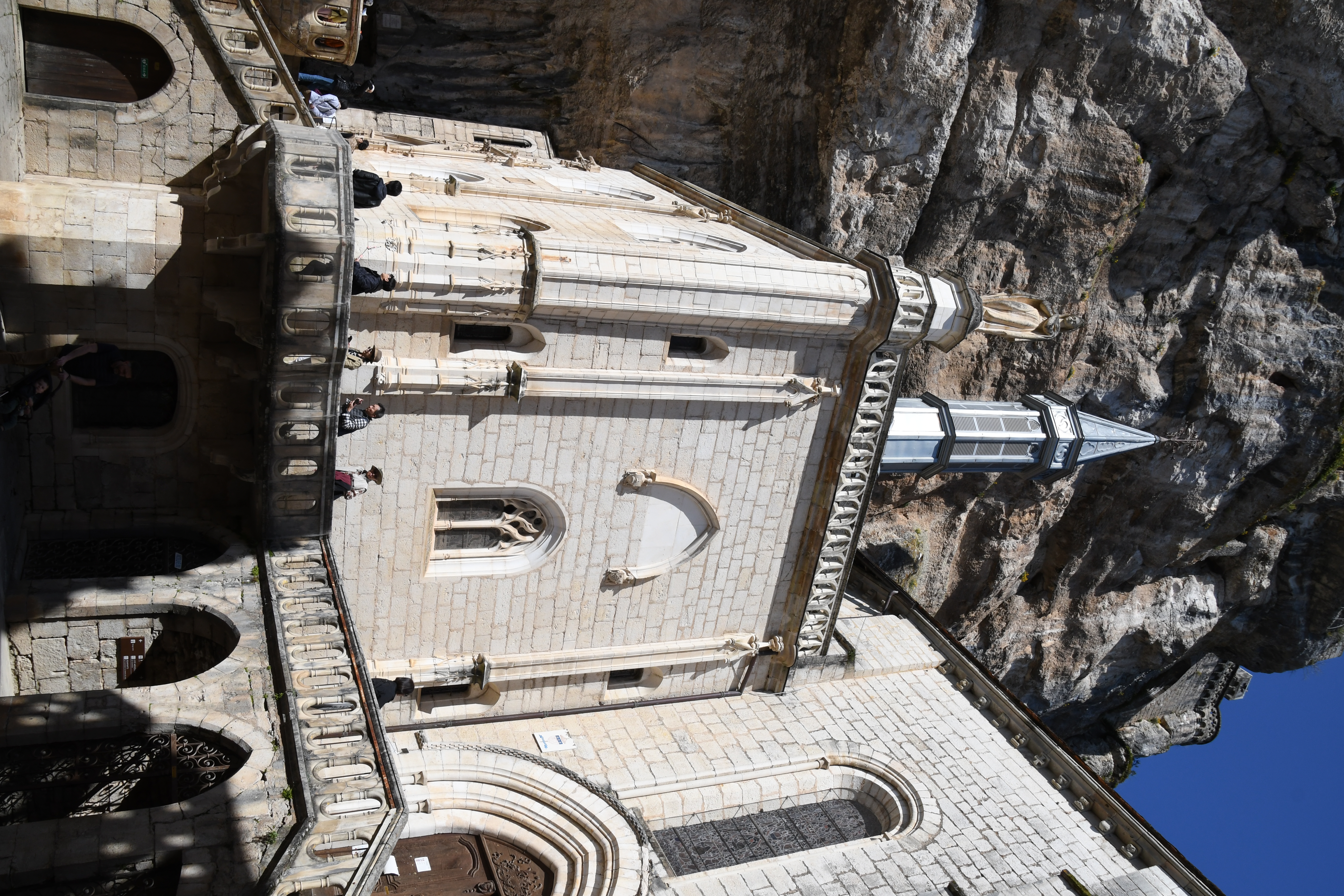
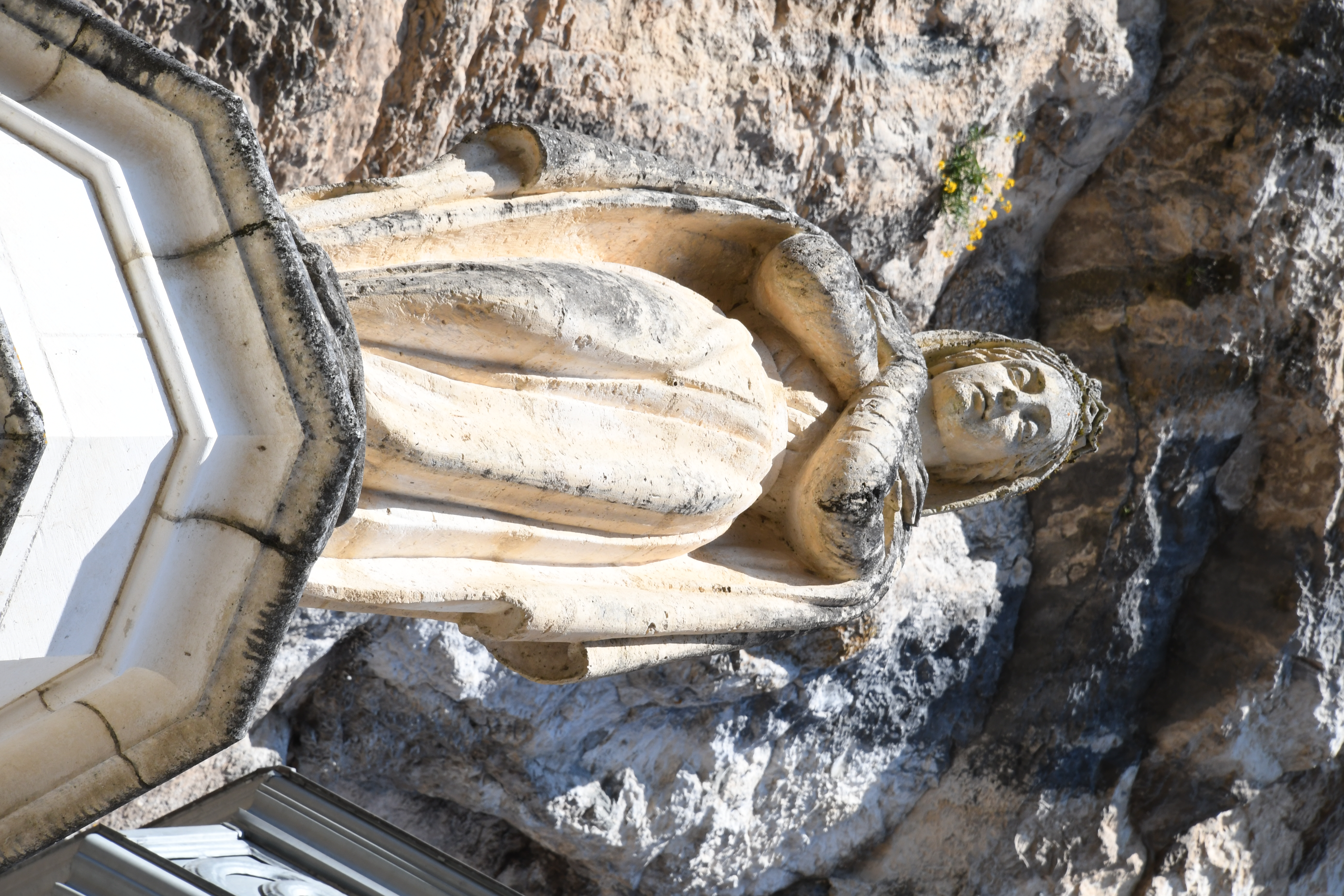
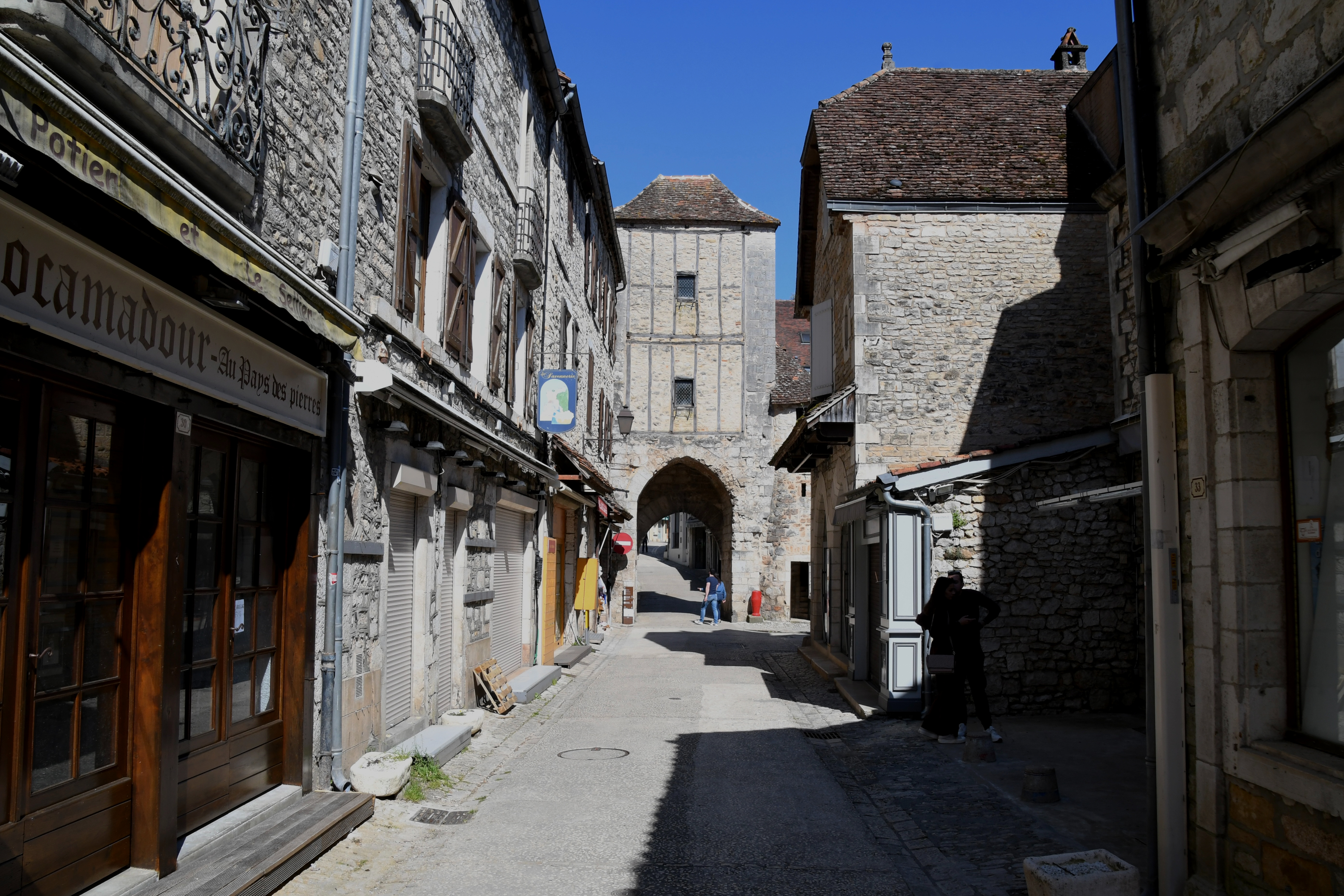
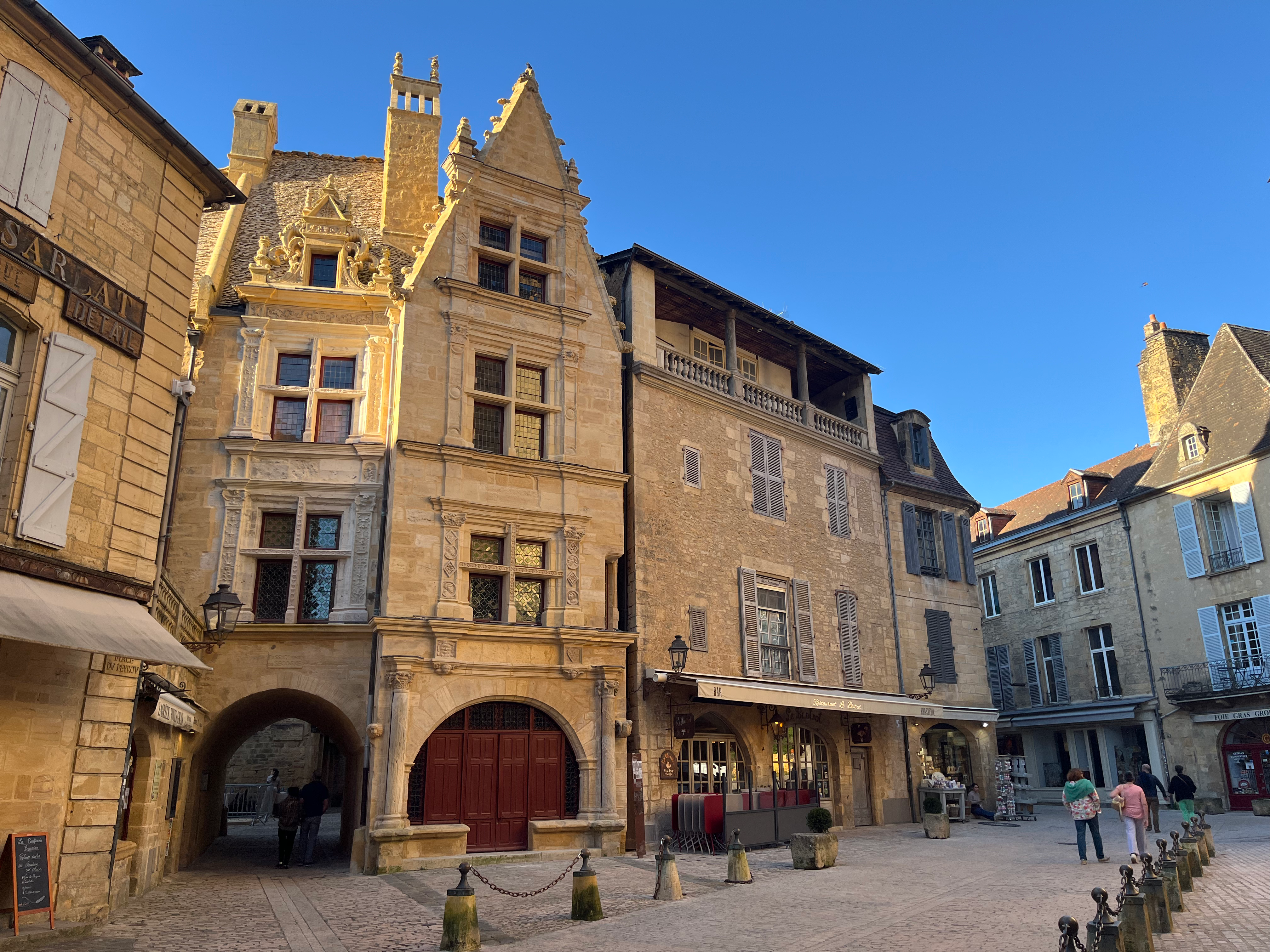
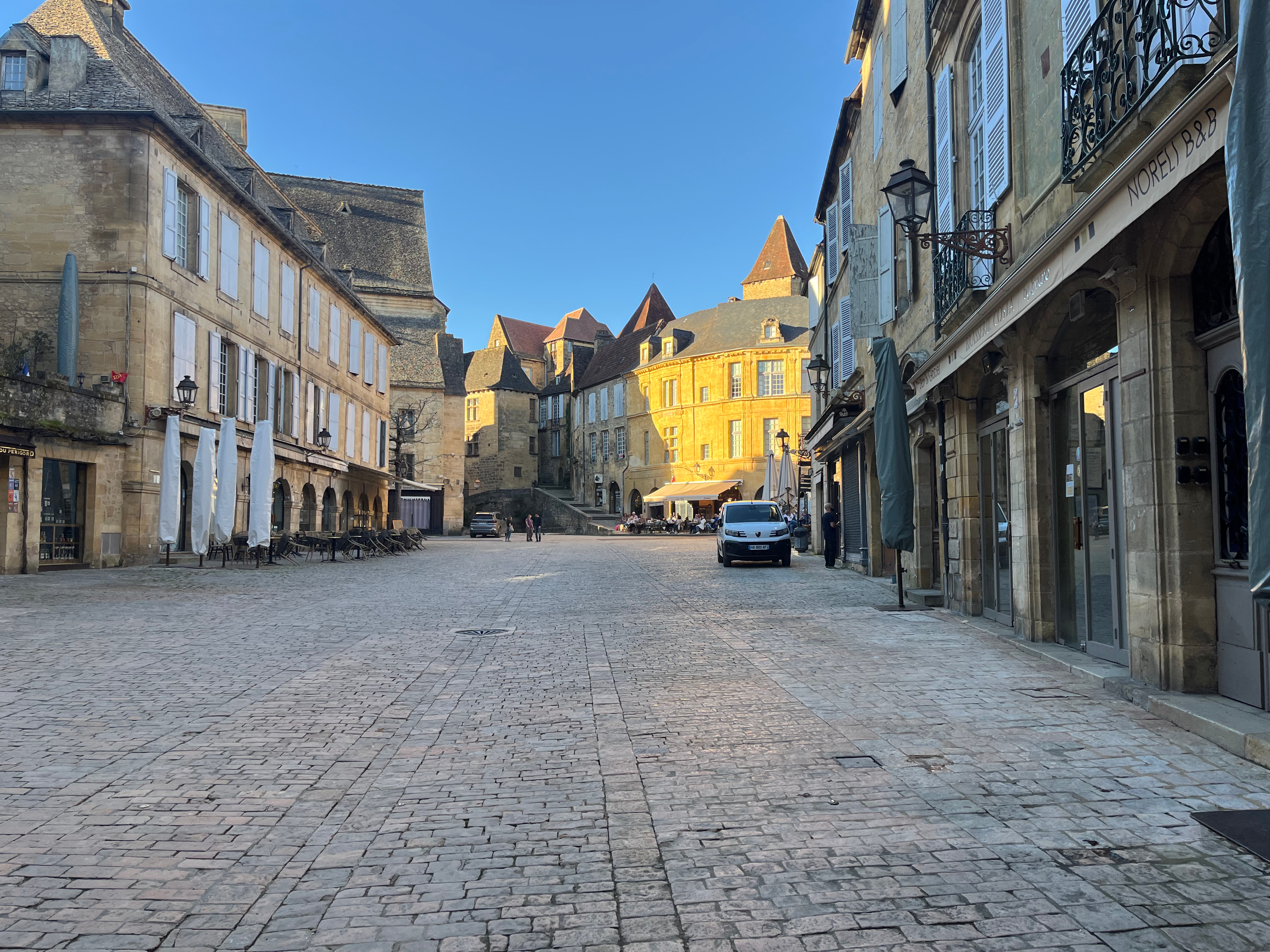
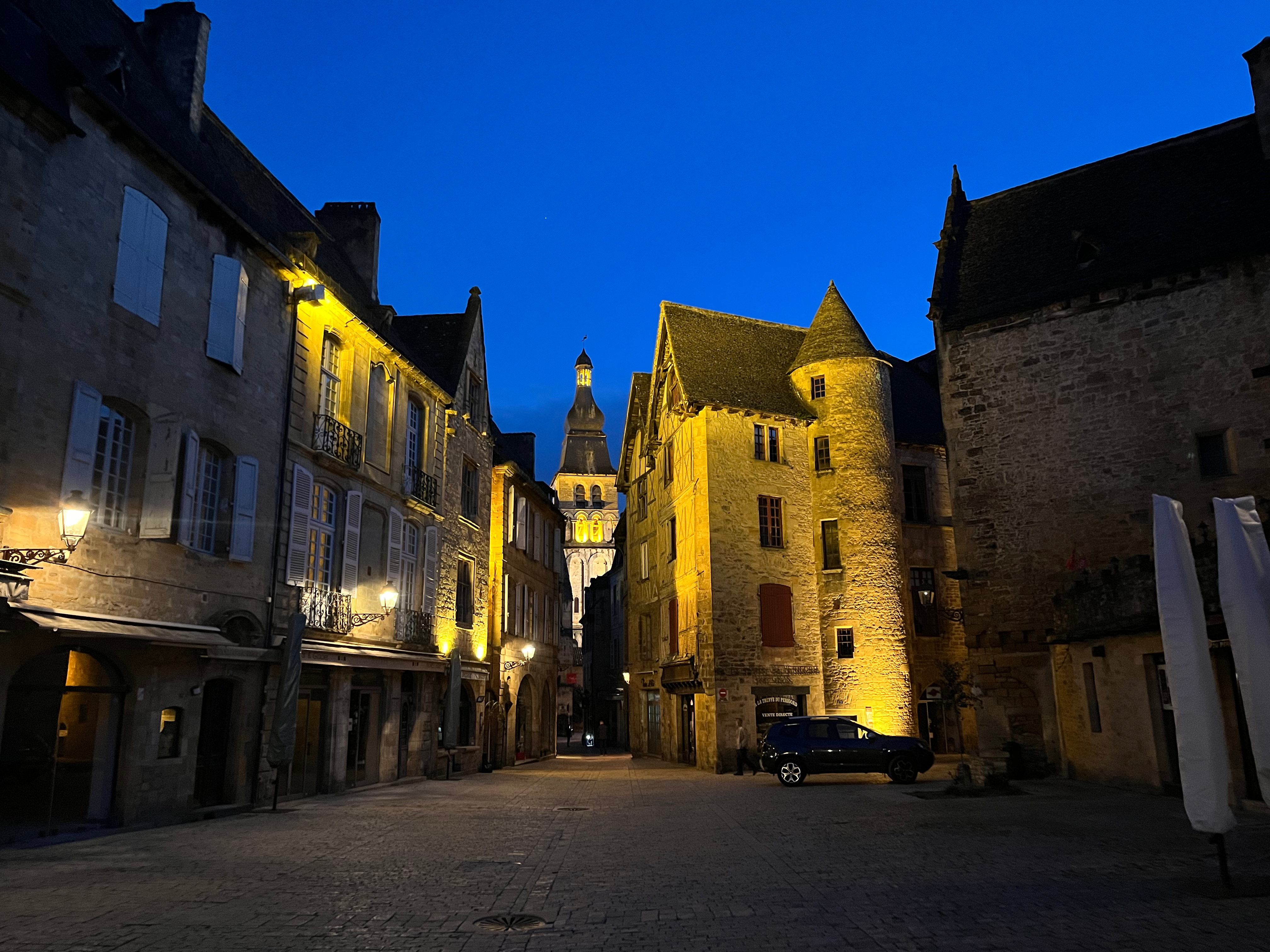
Beneath the castles and cliffs, generations built communities whose character still defines the Dordogne today. Here the stone buildings of La Roque-Gageac rise up the cliff to the castle that defends the village.


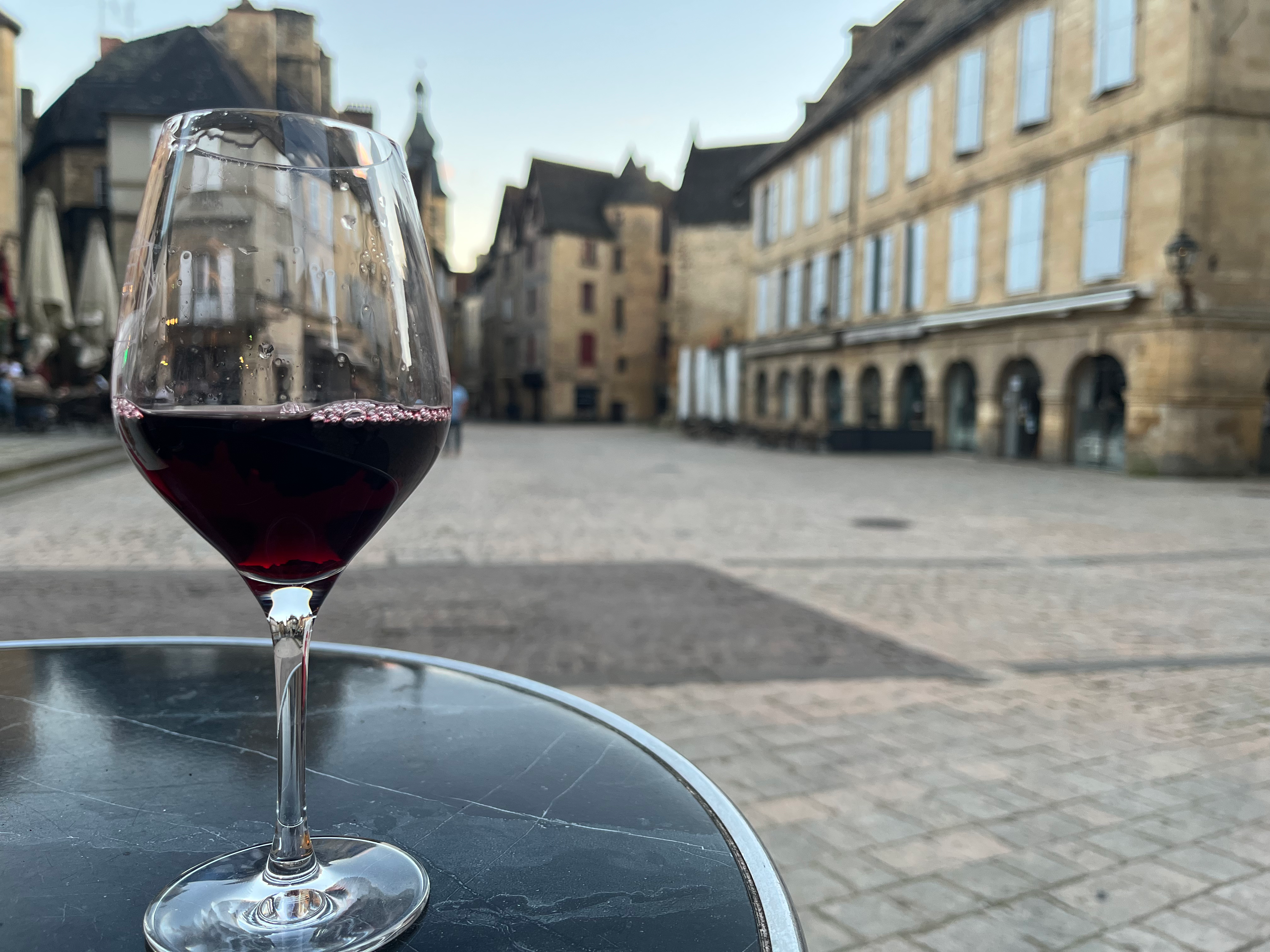
The castles of the Dordogne were built to defend a way of life. In La Roque-Gageac and Sarlat, that legacy remains visible in the churches, streets, homes, and public squares that continue to bring people together. Their story continues in Why So Many Castles?
Chateaux

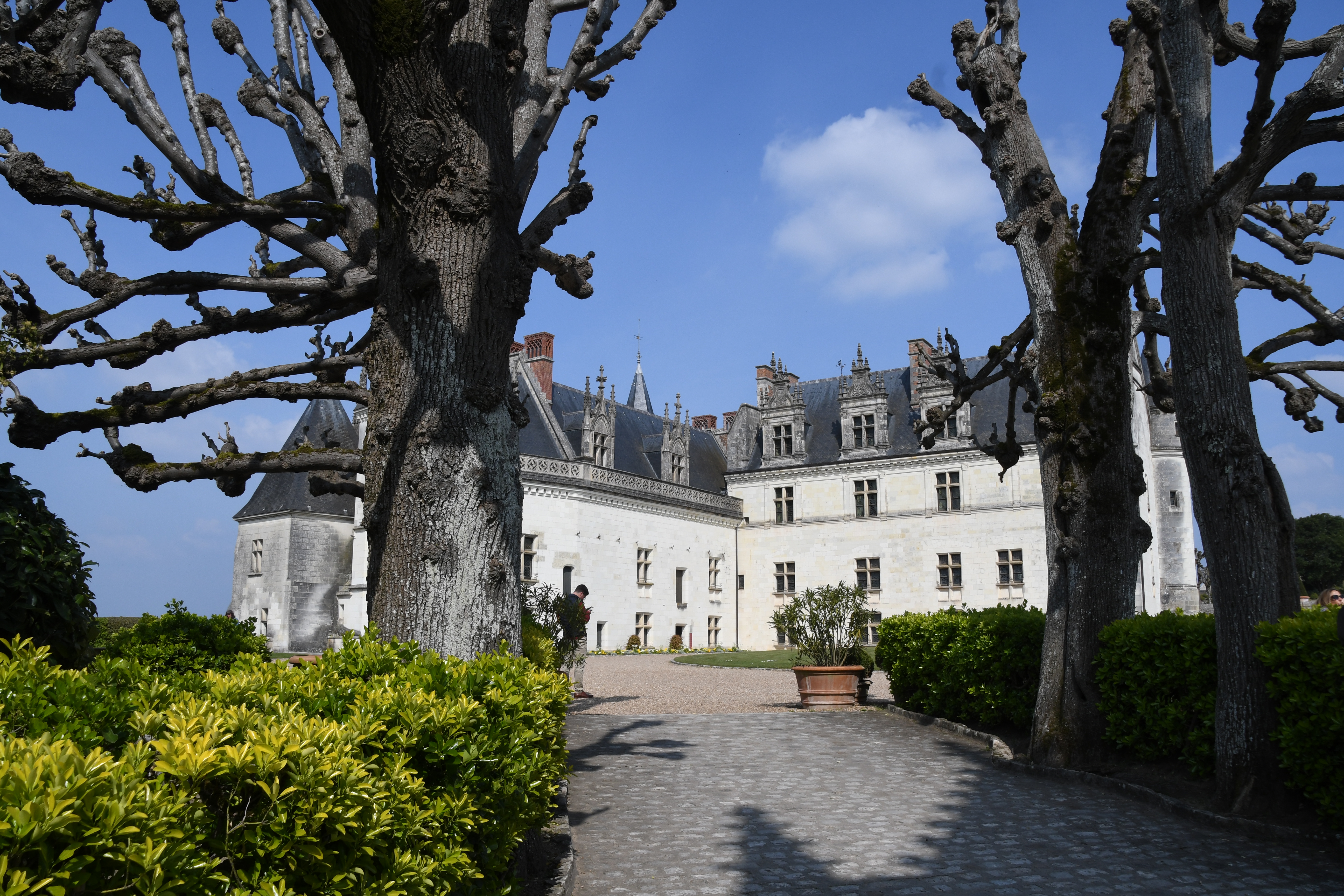
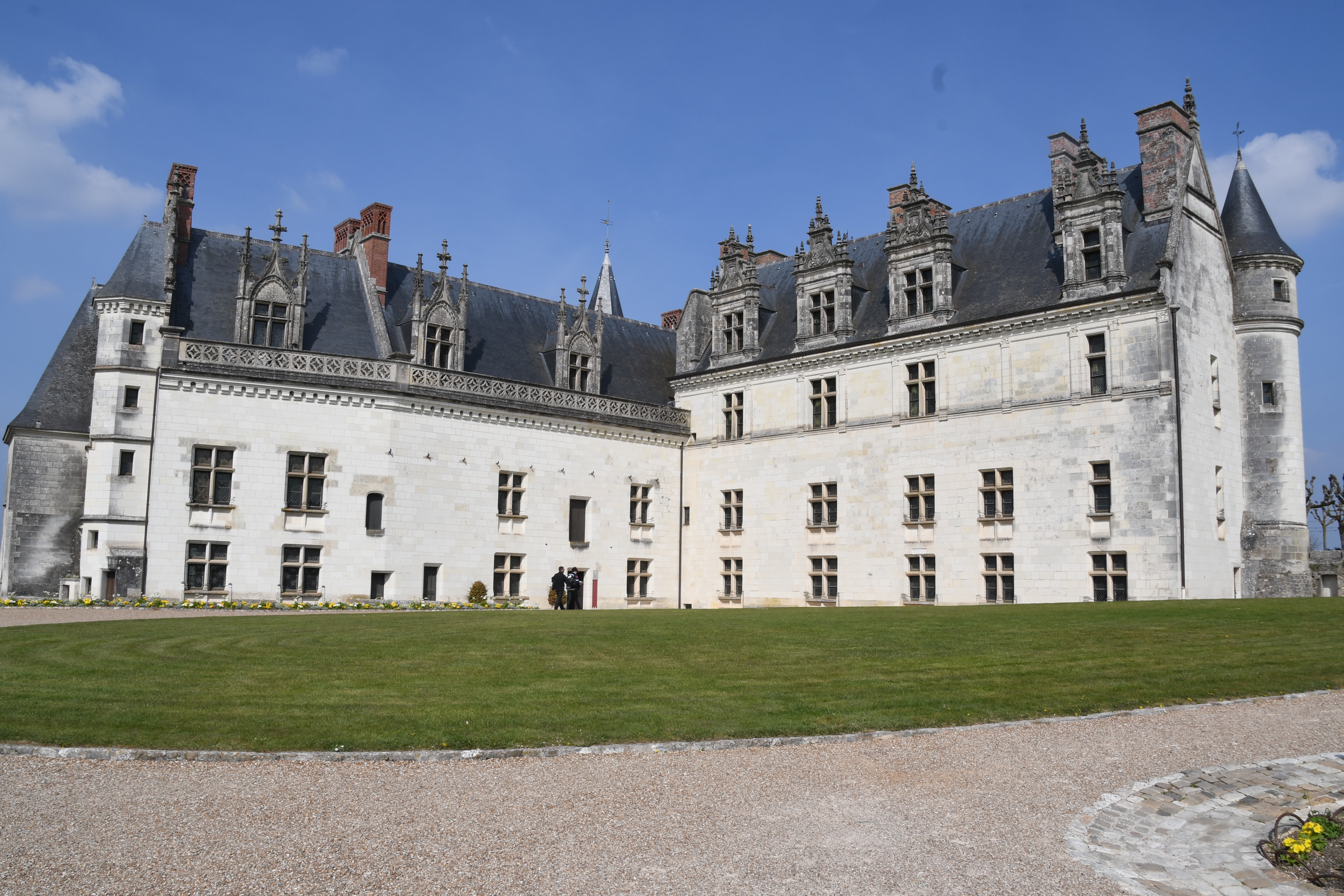
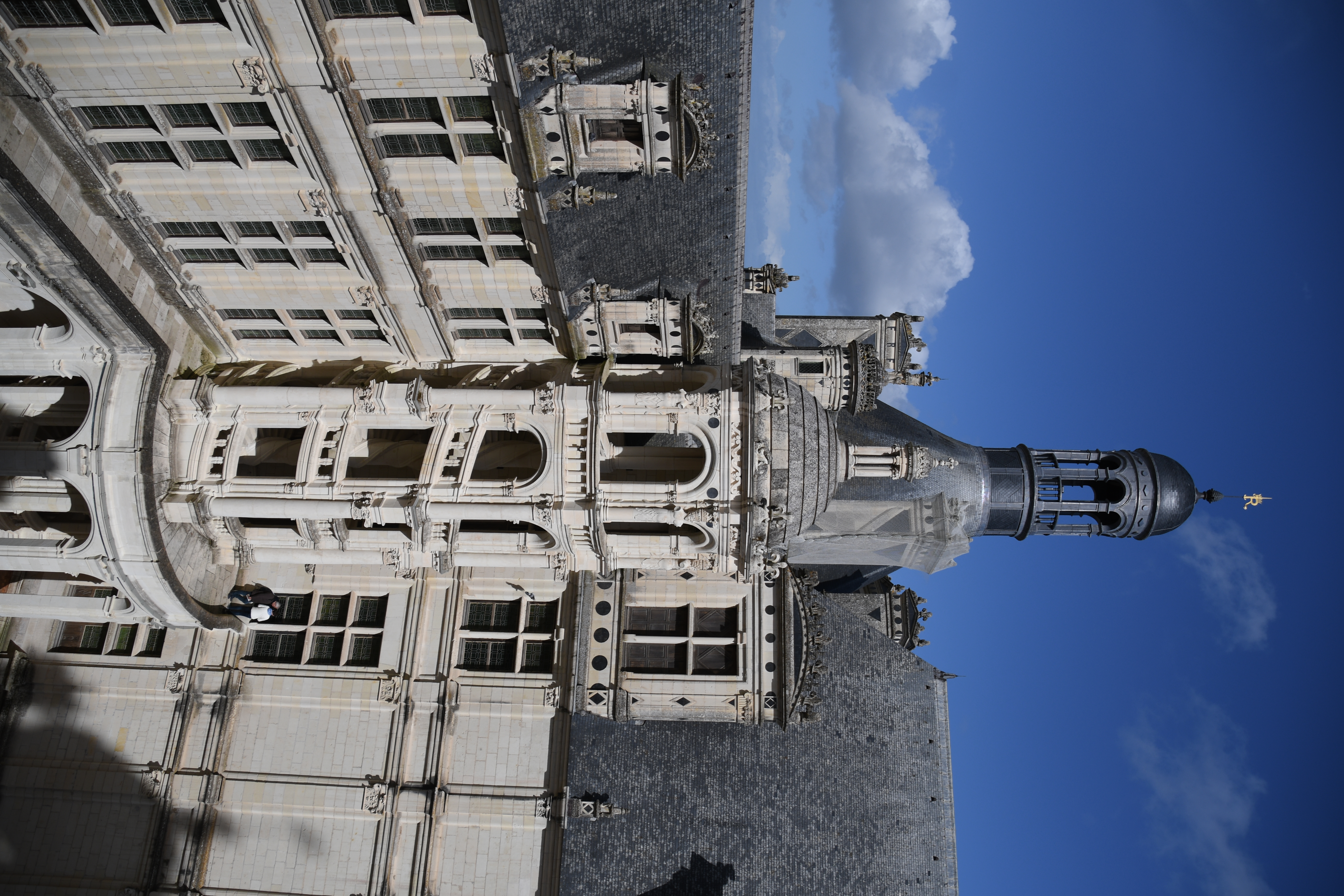
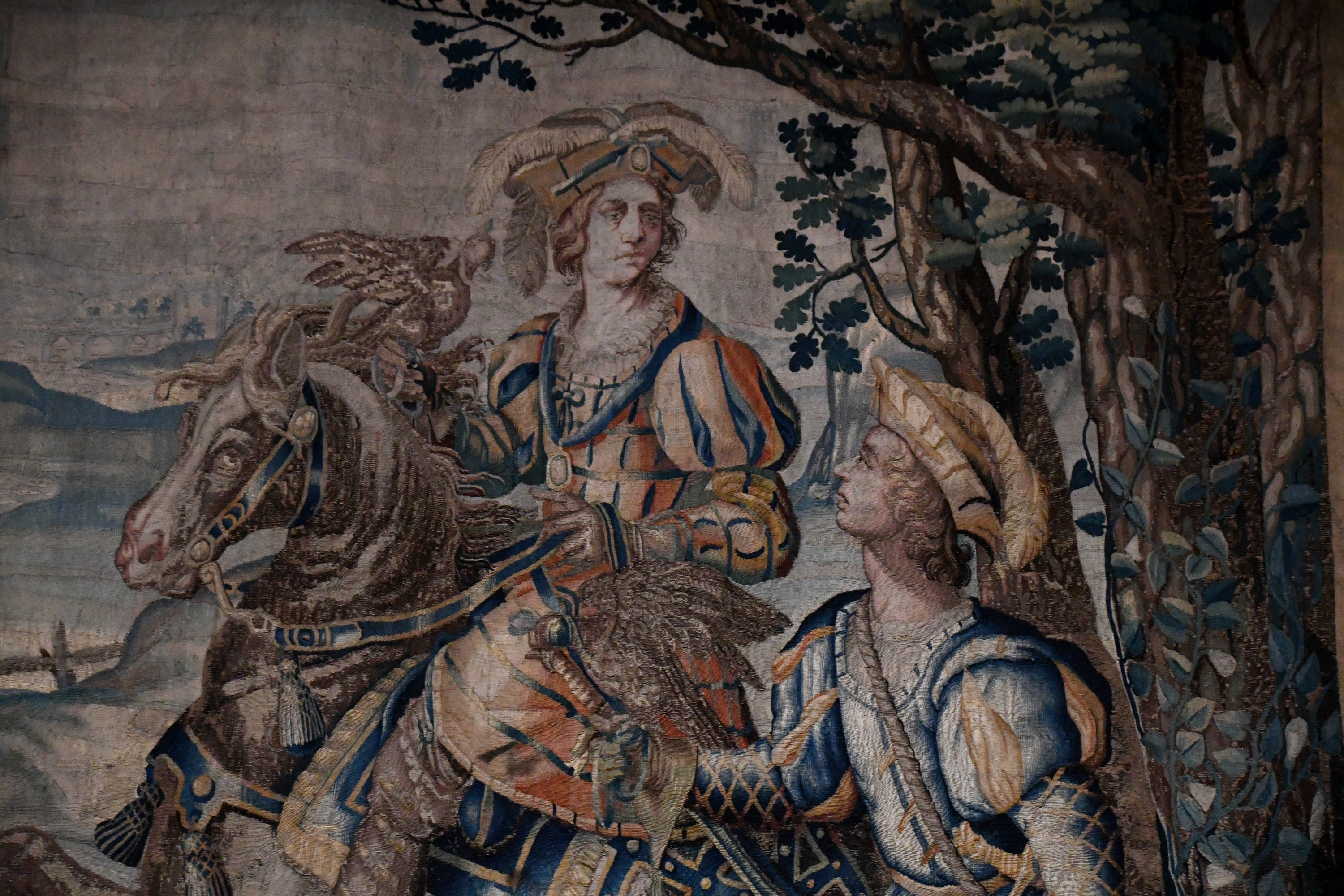
The chateaux of the Loire Valley transformed power into architecture, creating residences that reflected the ambitions, achievements, and aspirations of the people who built them.


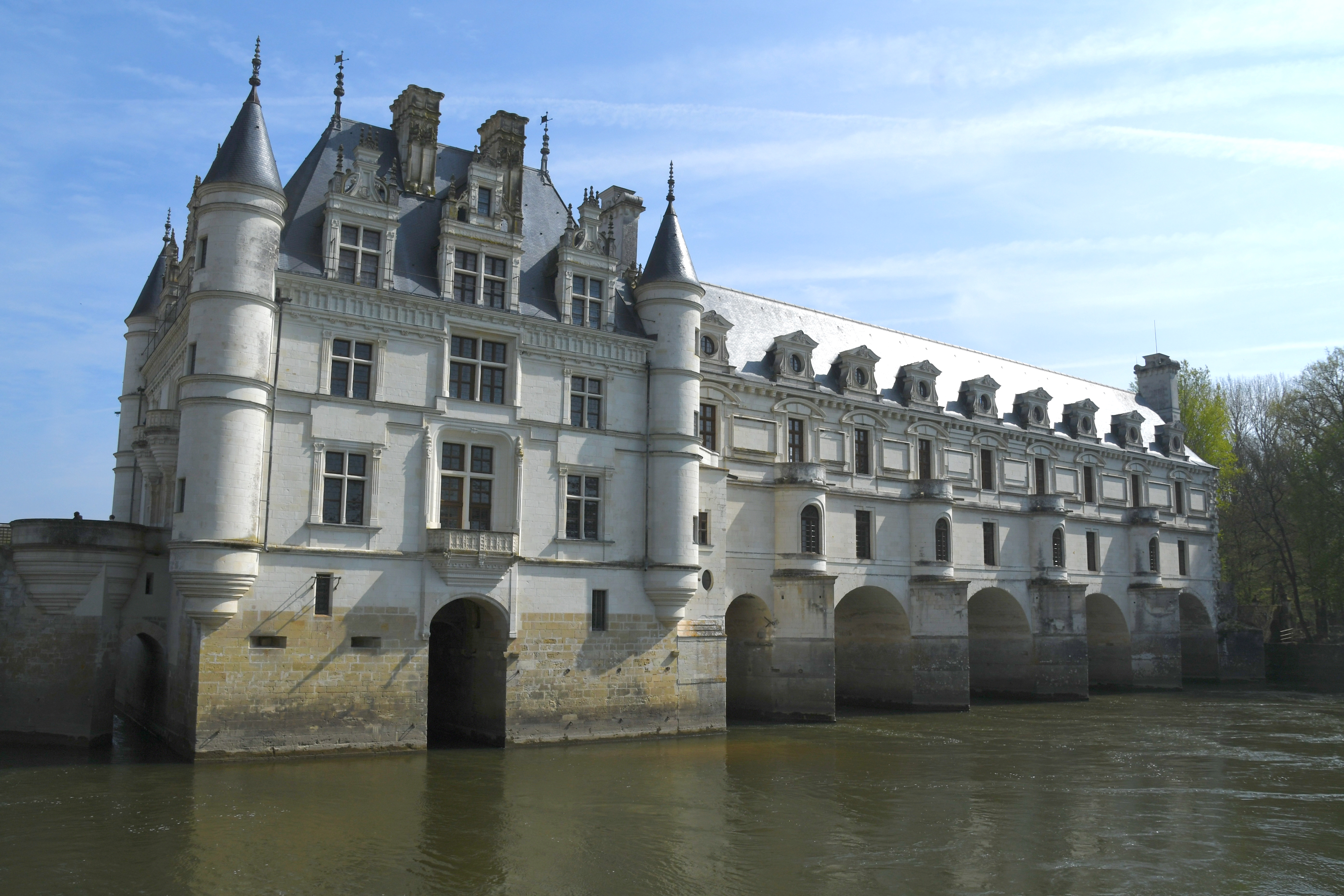
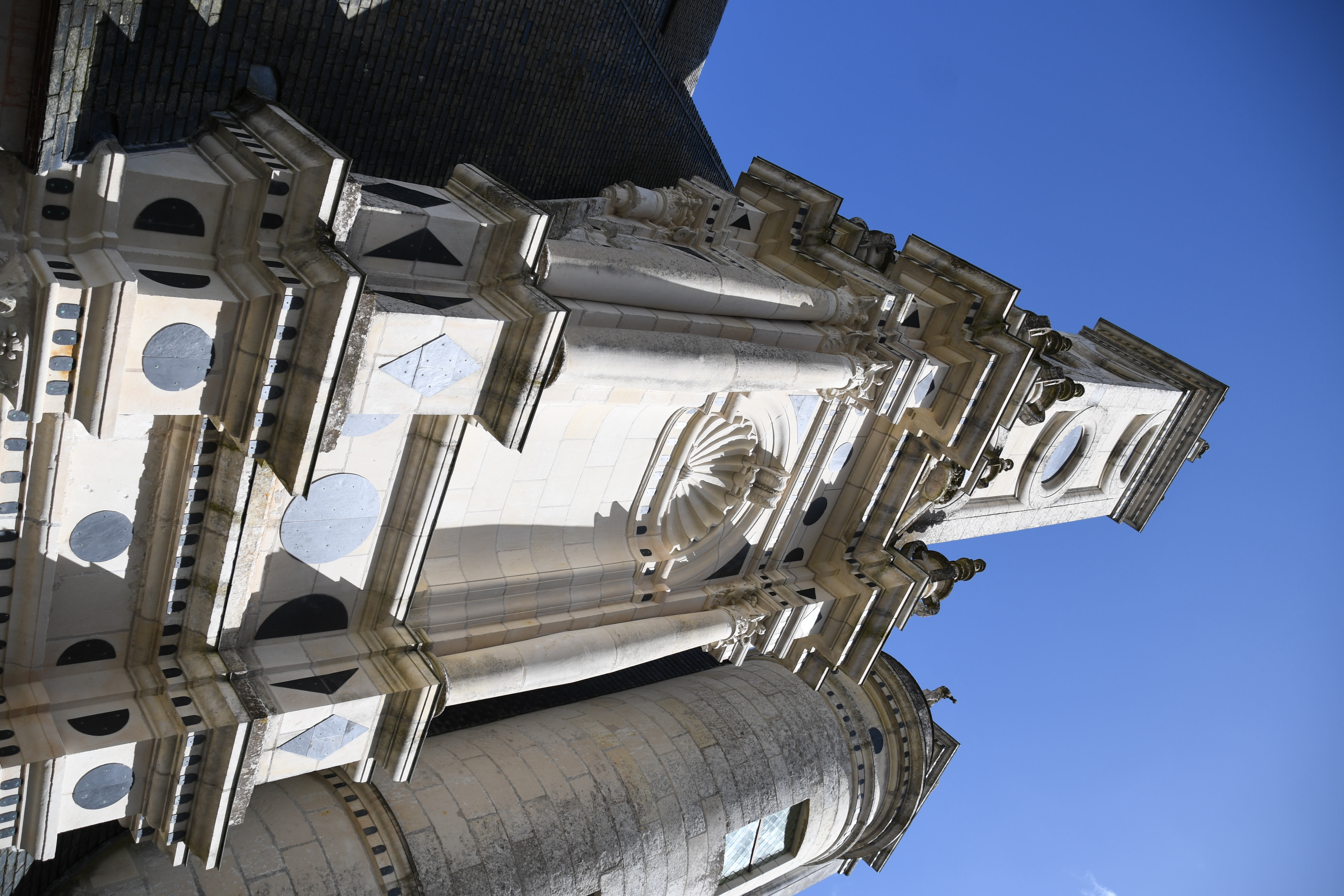
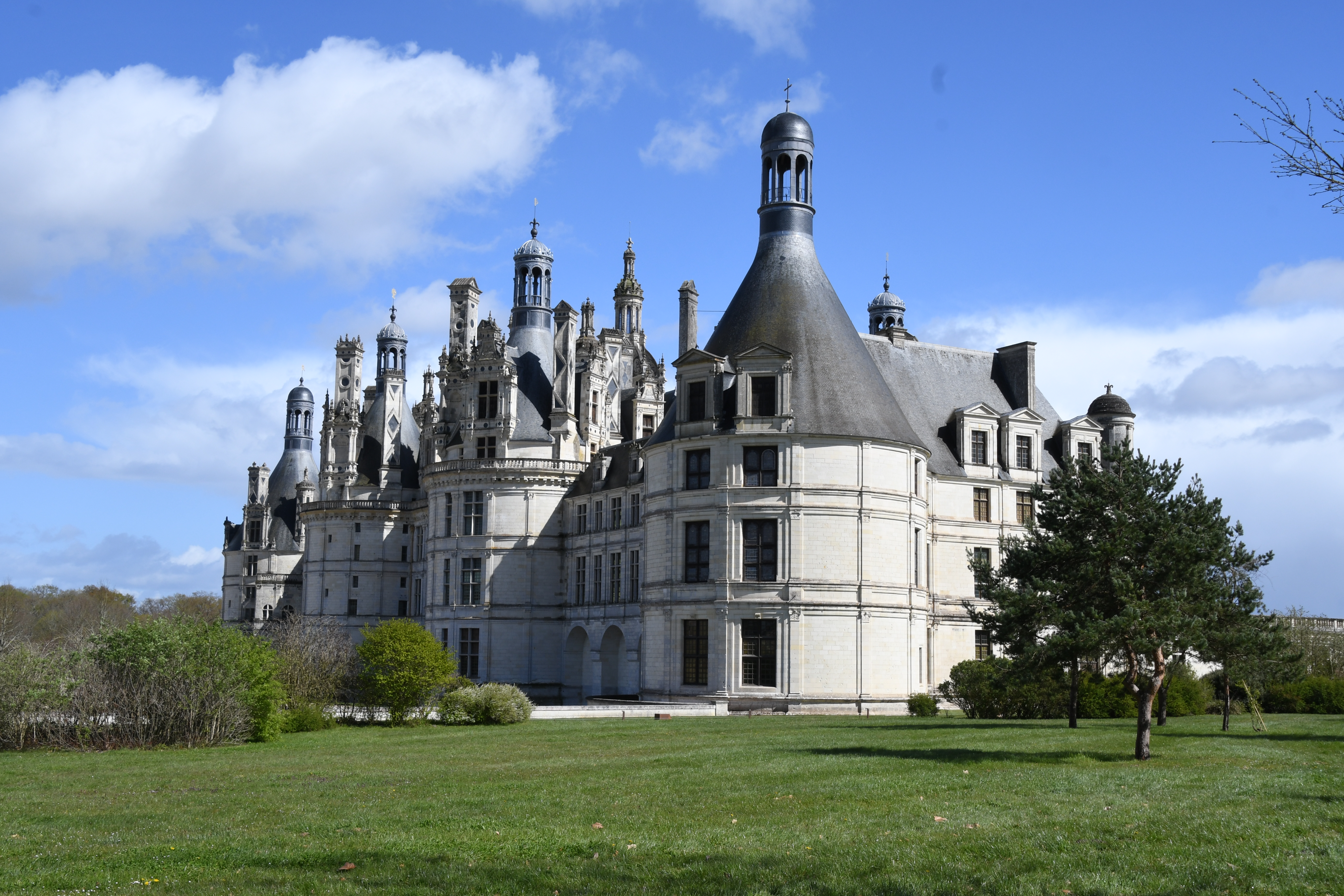
The Loire Valley's chateaux do more than showcase architectural beauty. They reflect the influence of kings, queens, nobles, artists, and visionaries who left their mark on France. From the rivalry of Catherine de Medici and Diane de Poitiers at Chenonceau to Leonardo da Vinci's final years at Amboise and the royal ambitions that inspired Chambord, these buildings reveal a world where architecture became a lasting expression of power and identity.
Their story continues in Alone in Our Favorite Chateau.

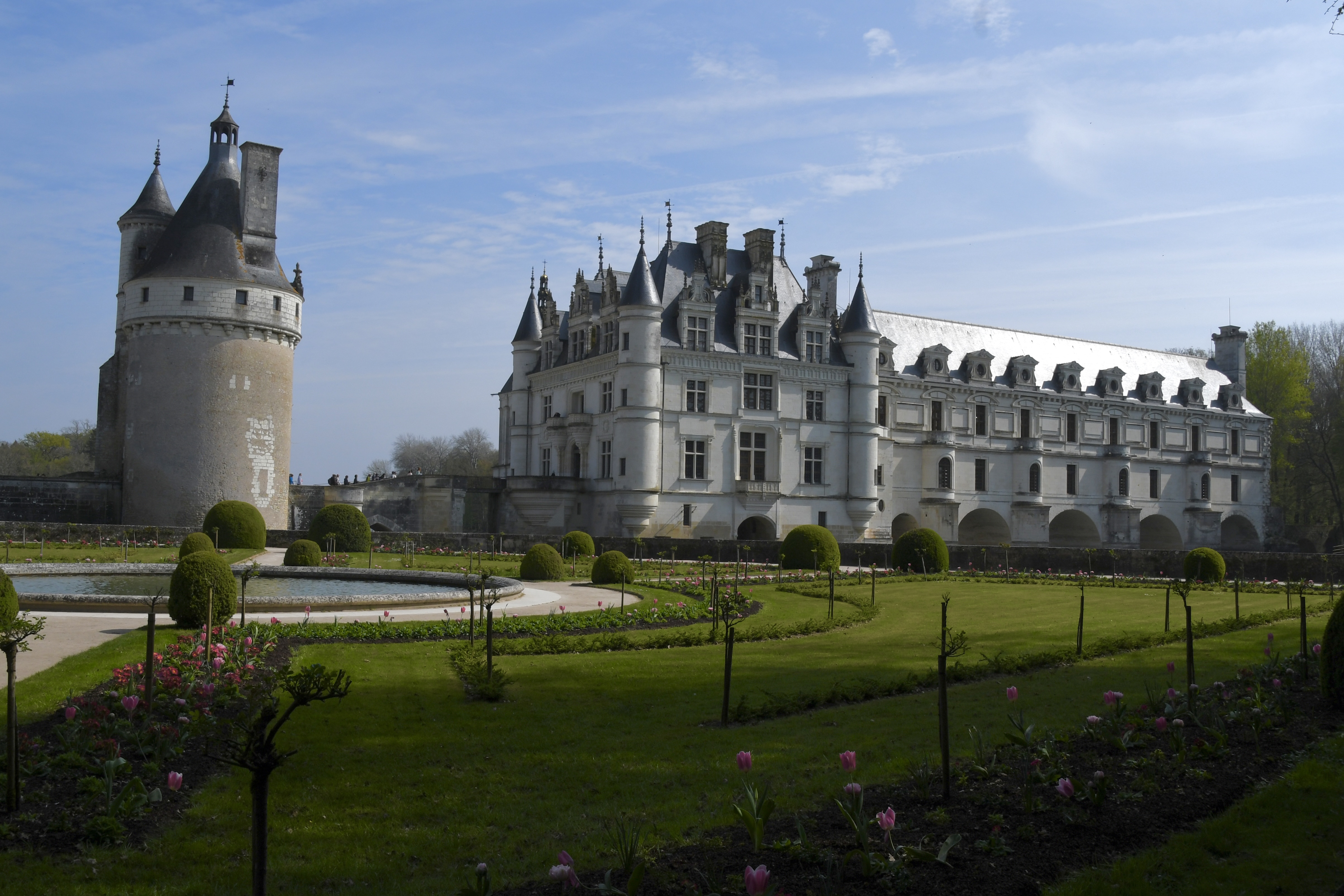
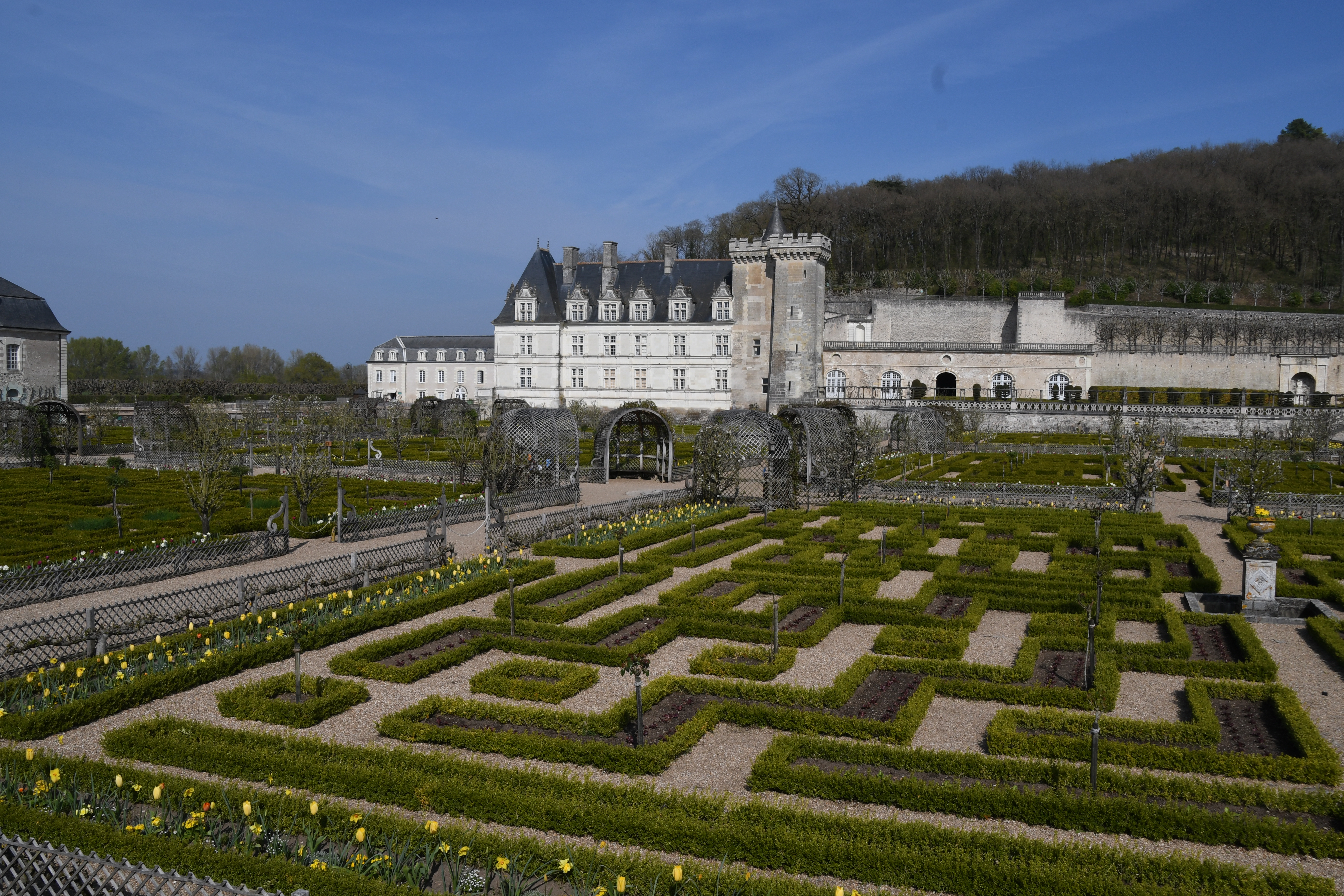
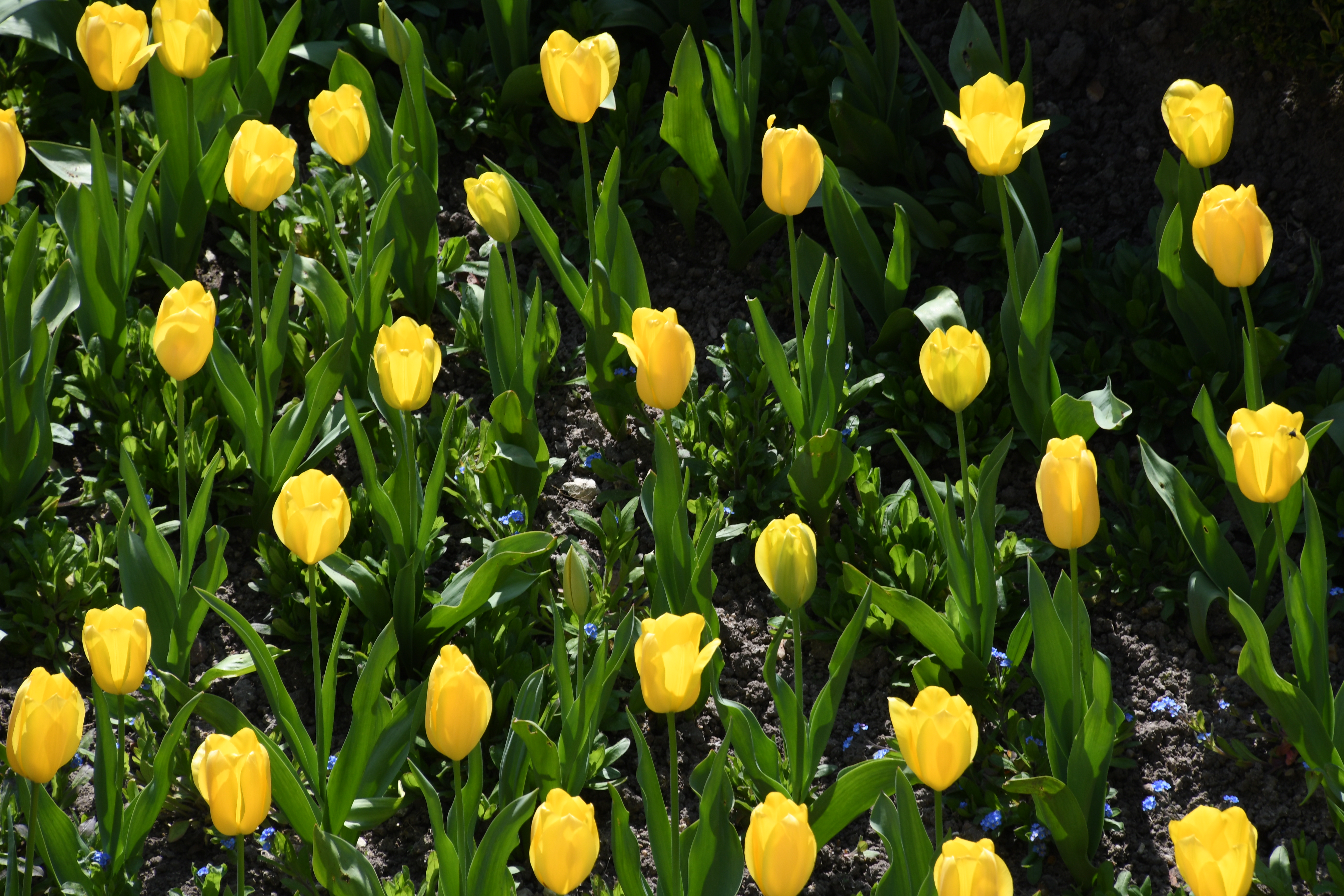
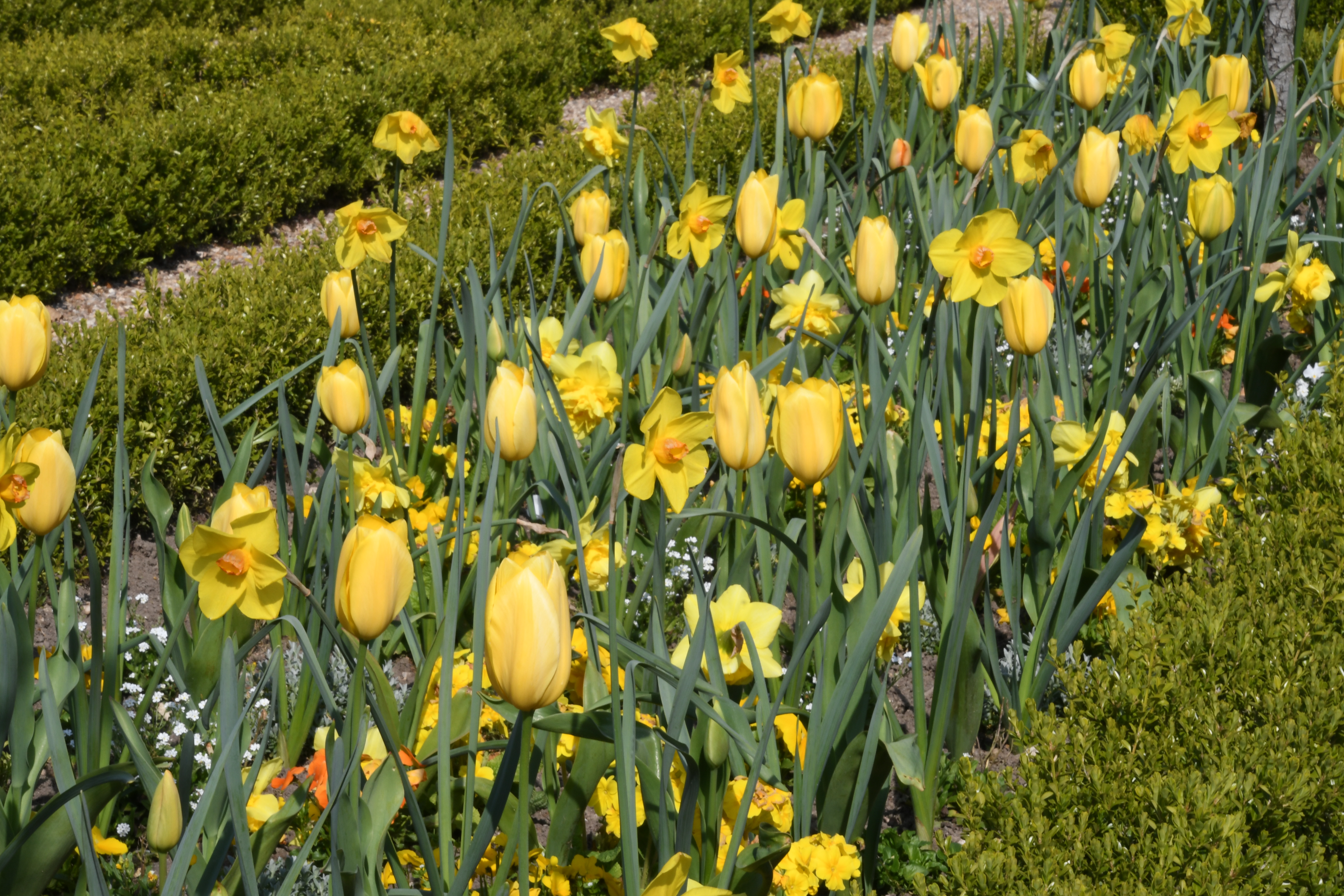
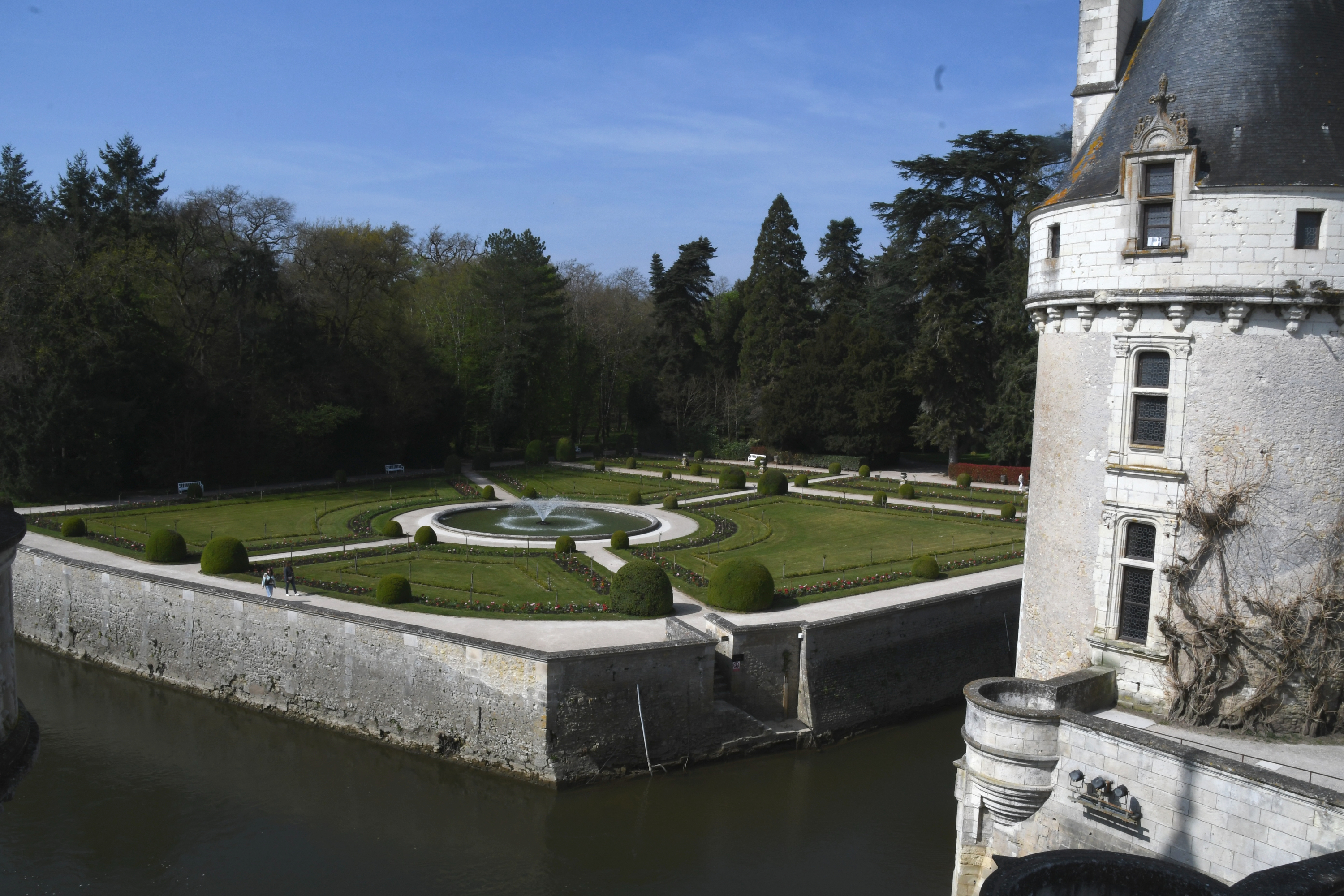
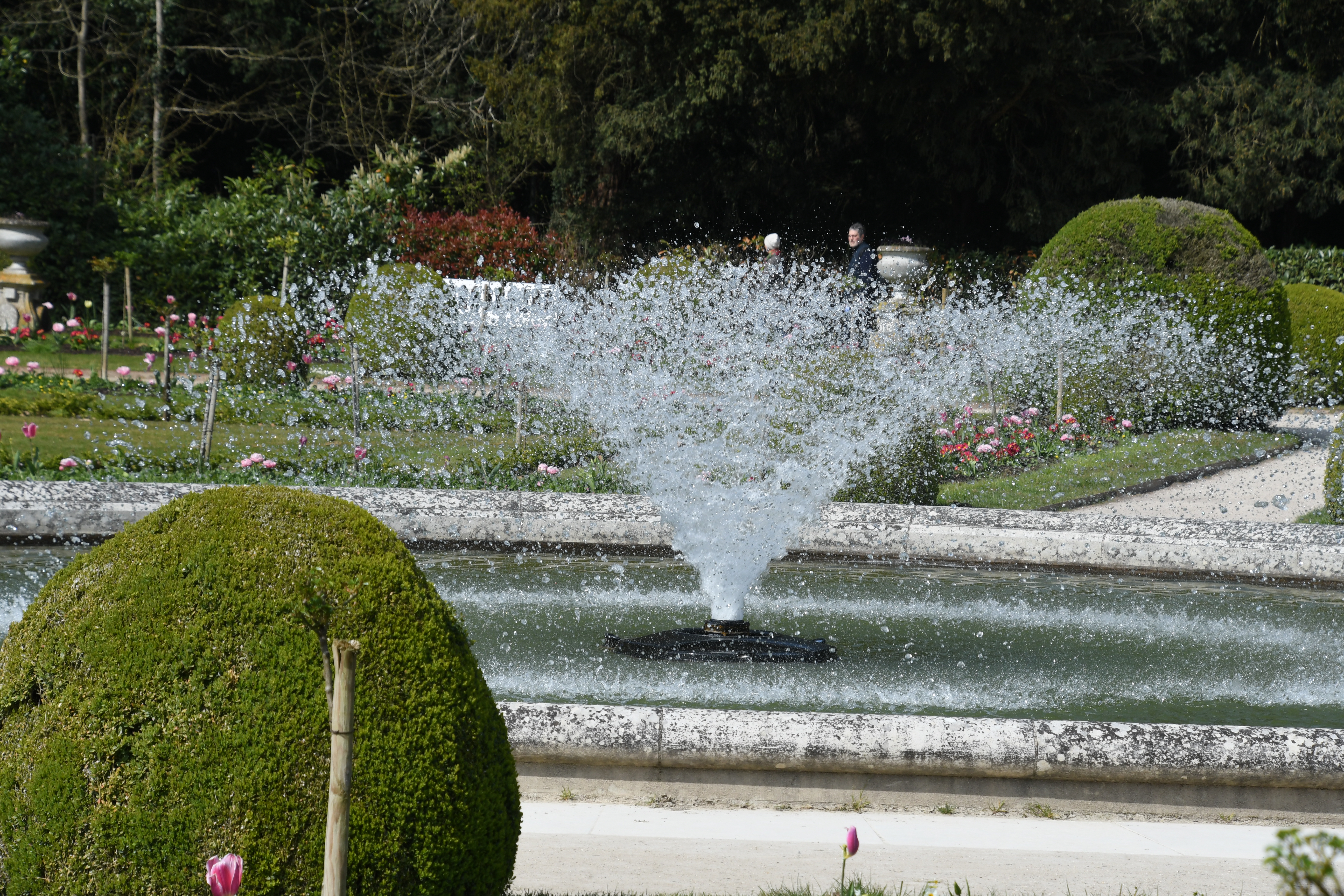
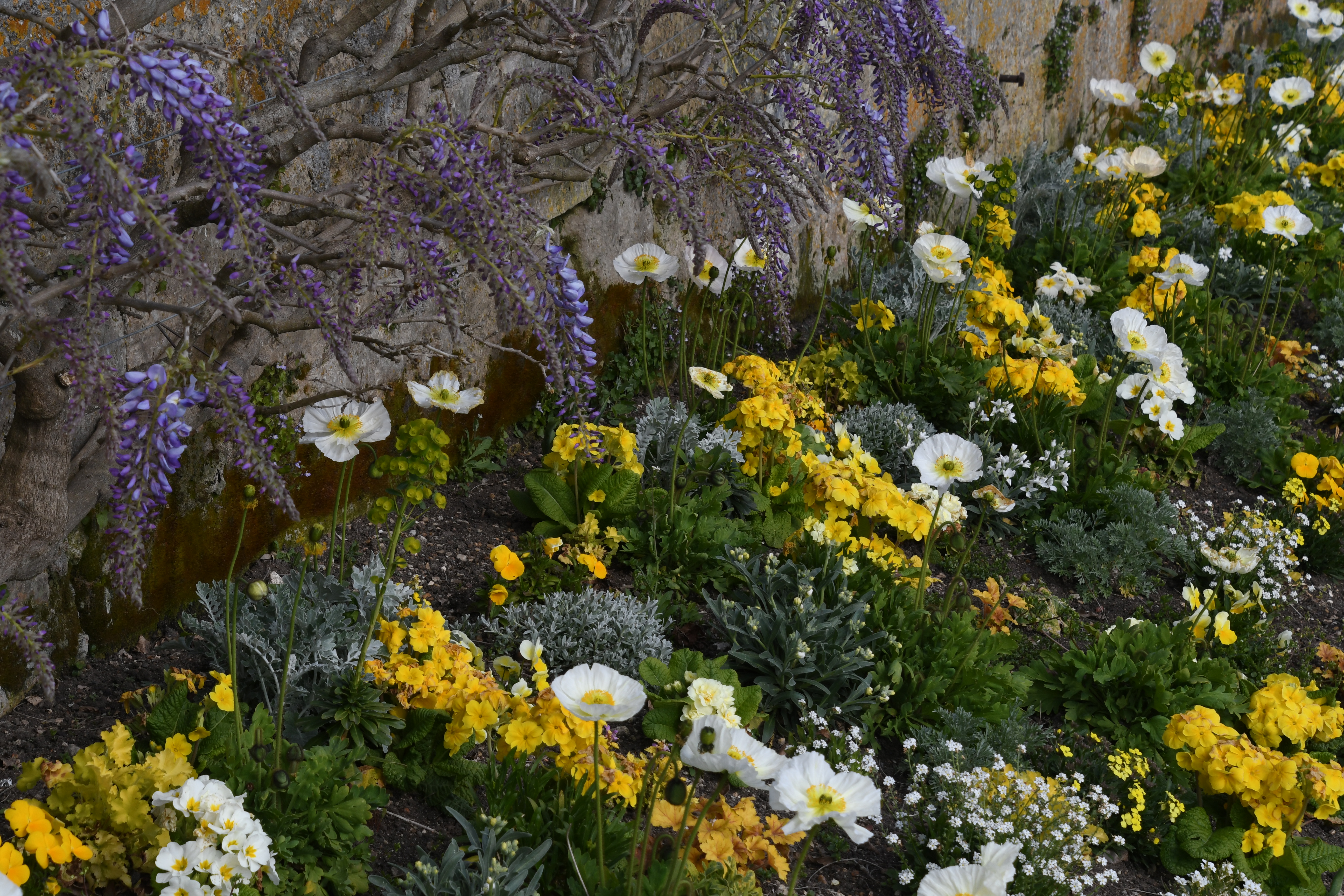
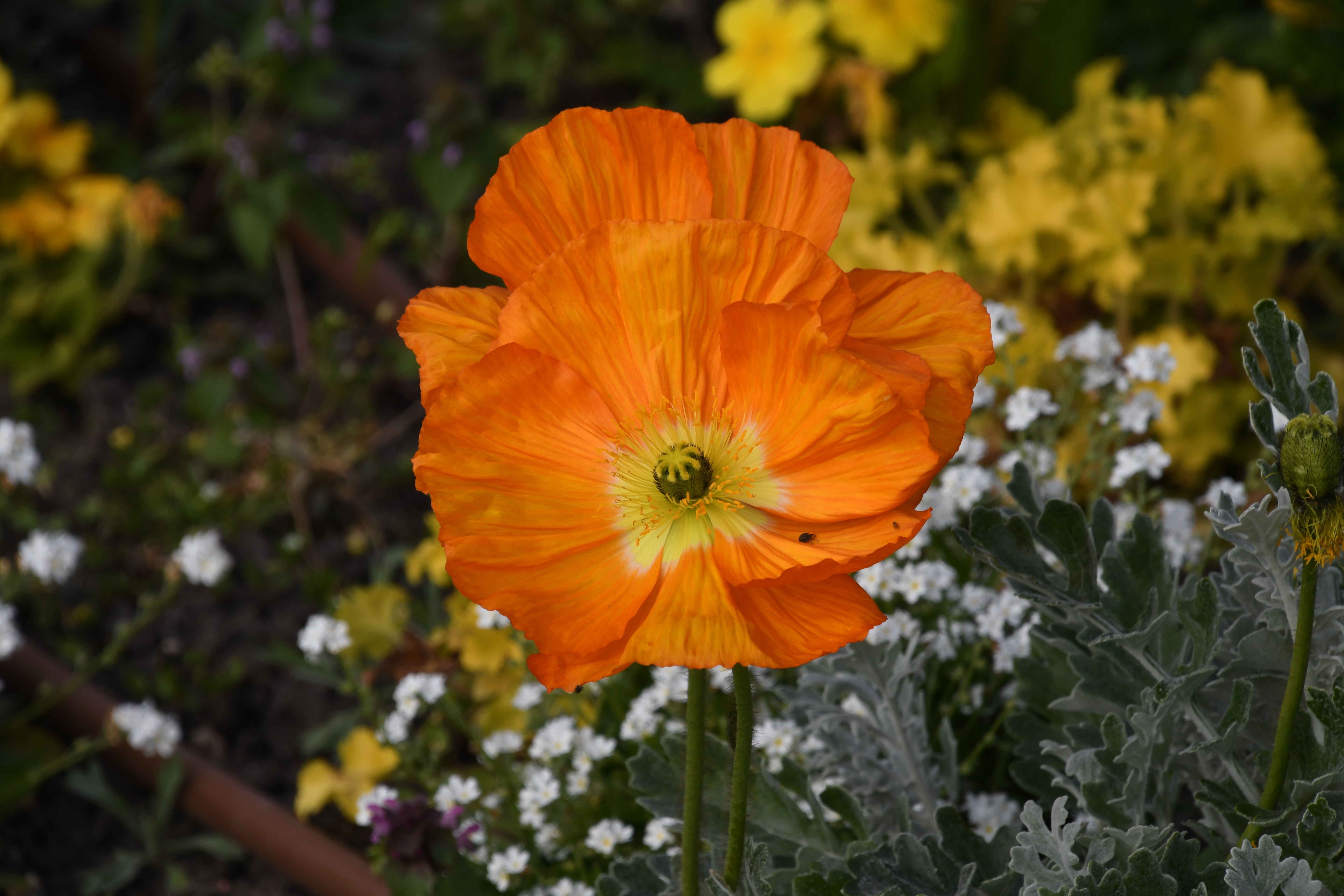
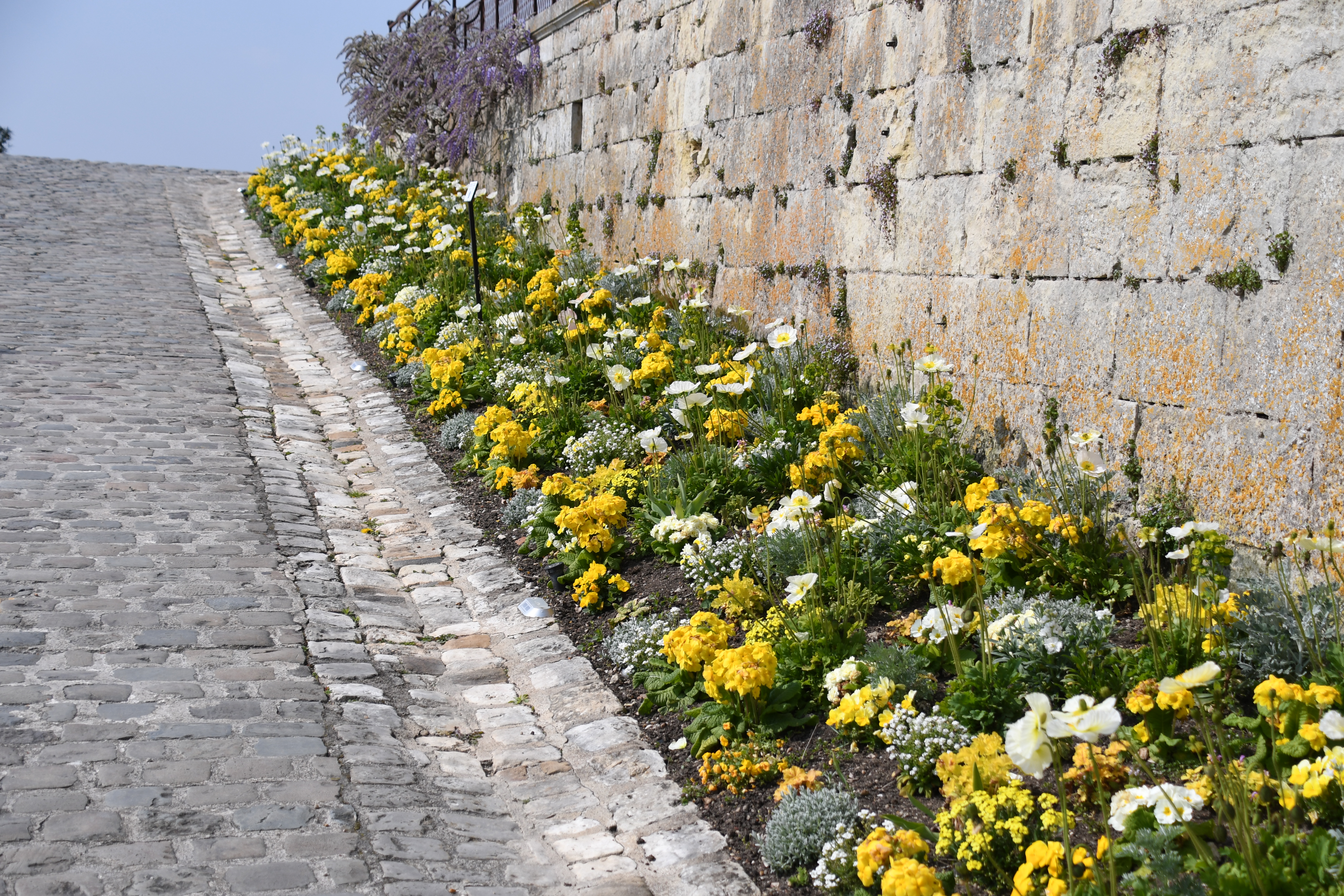
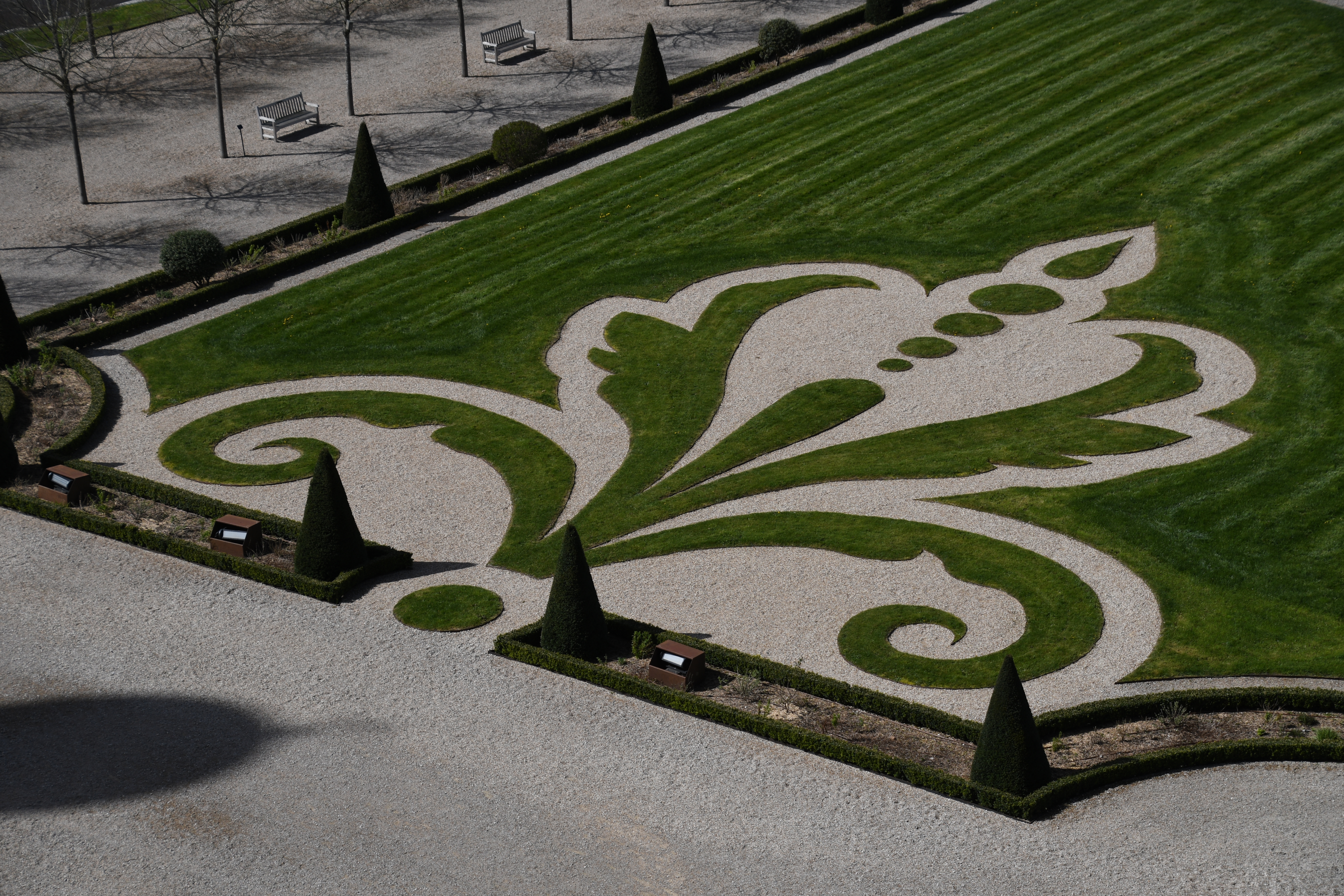
Beyond the walls of the Loire's chateaux, beauty became part of the landscape itself. Gardens, flowers, water, and carefully sculpted forms transformed the grounds into living works of art.


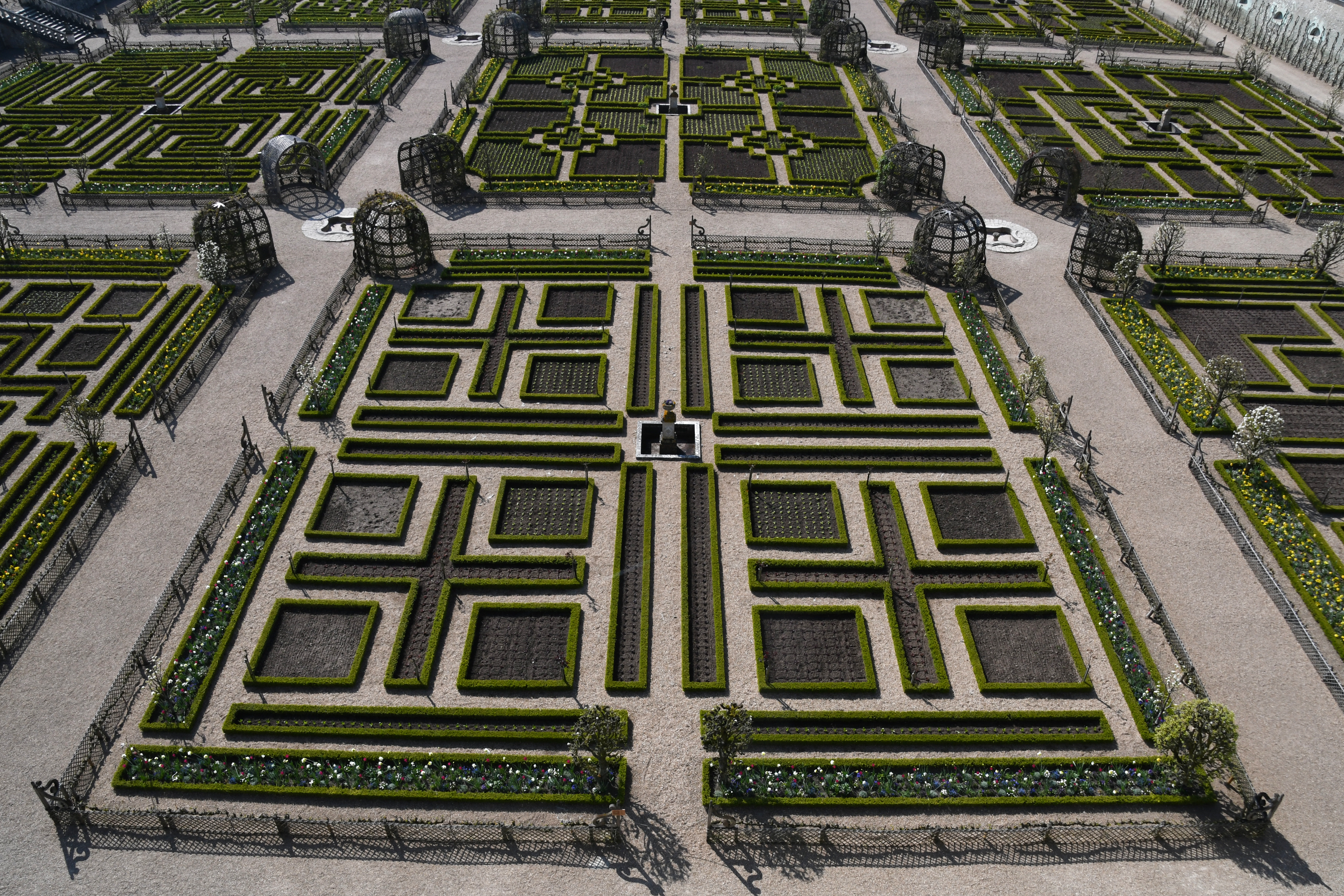
The gardens of the Loire Valley were designed as extensions of the chateaux they surrounded. At Villandry, geometry and symmetry transformed the landscape into art. At Chenonceau, water and flowers softened the edges of stone and created spaces for reflection. Together they reveal a world where beauty was cultivated as carefully as architecture.
The story continues in Alone in Our Favorite Chateau.

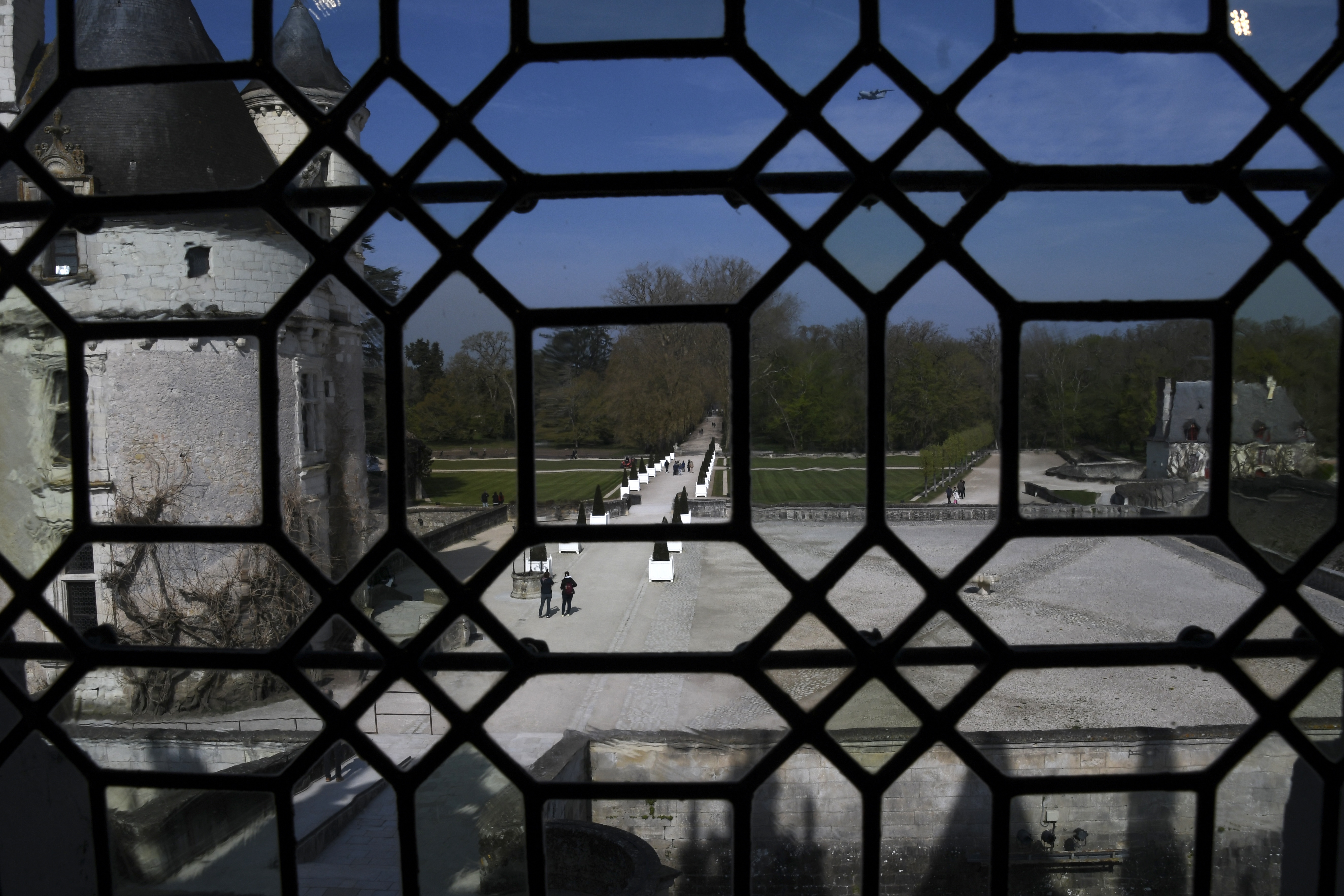
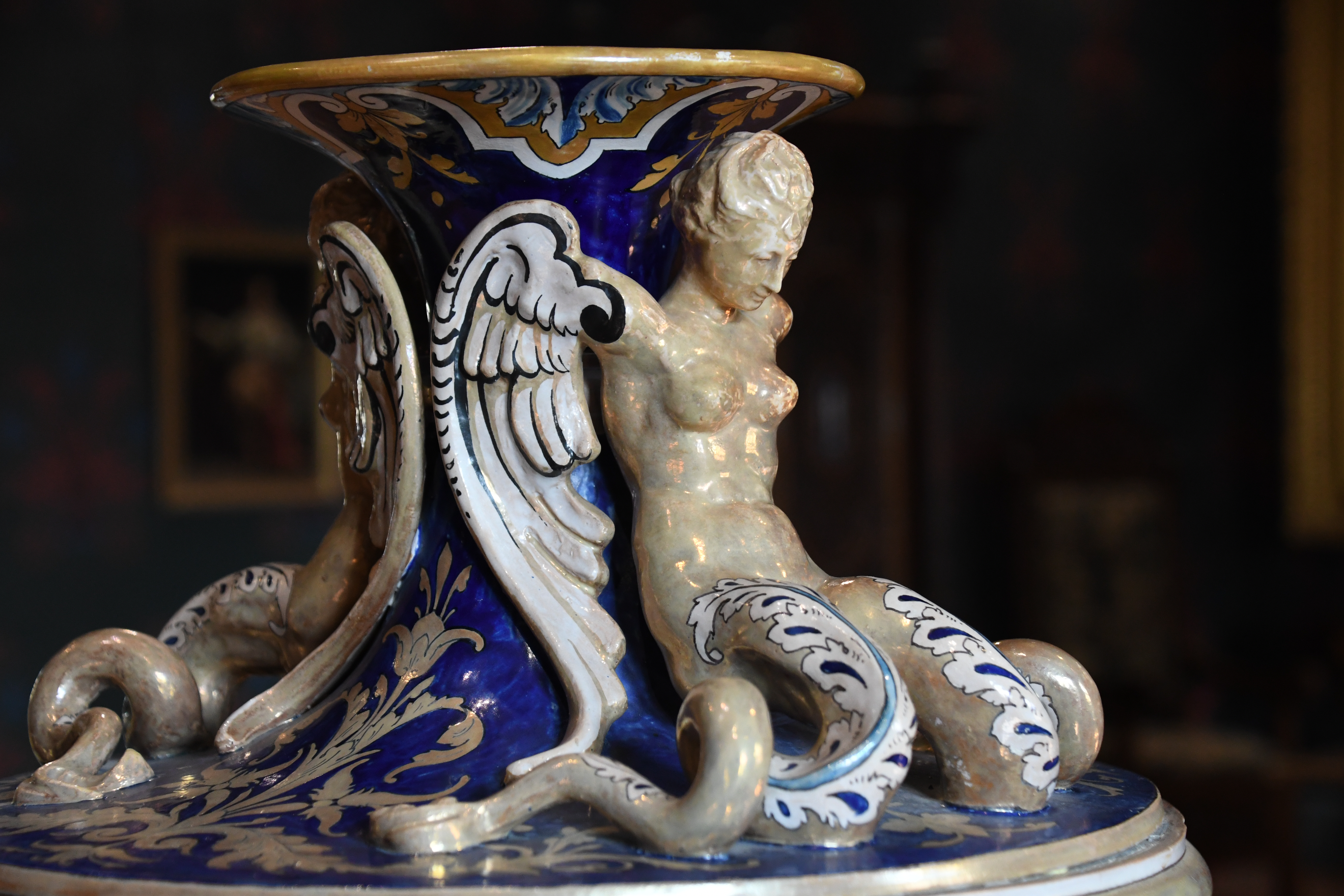
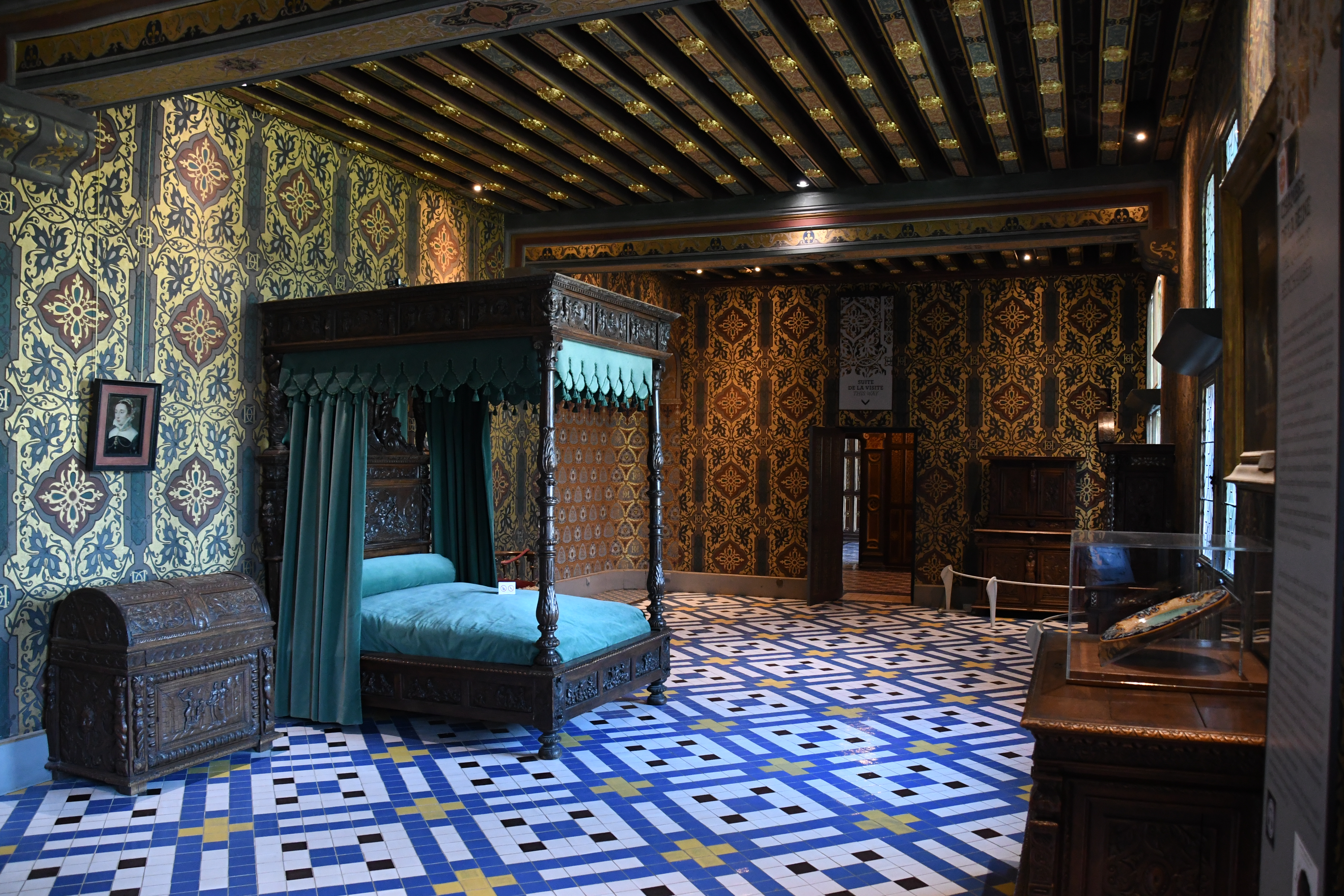
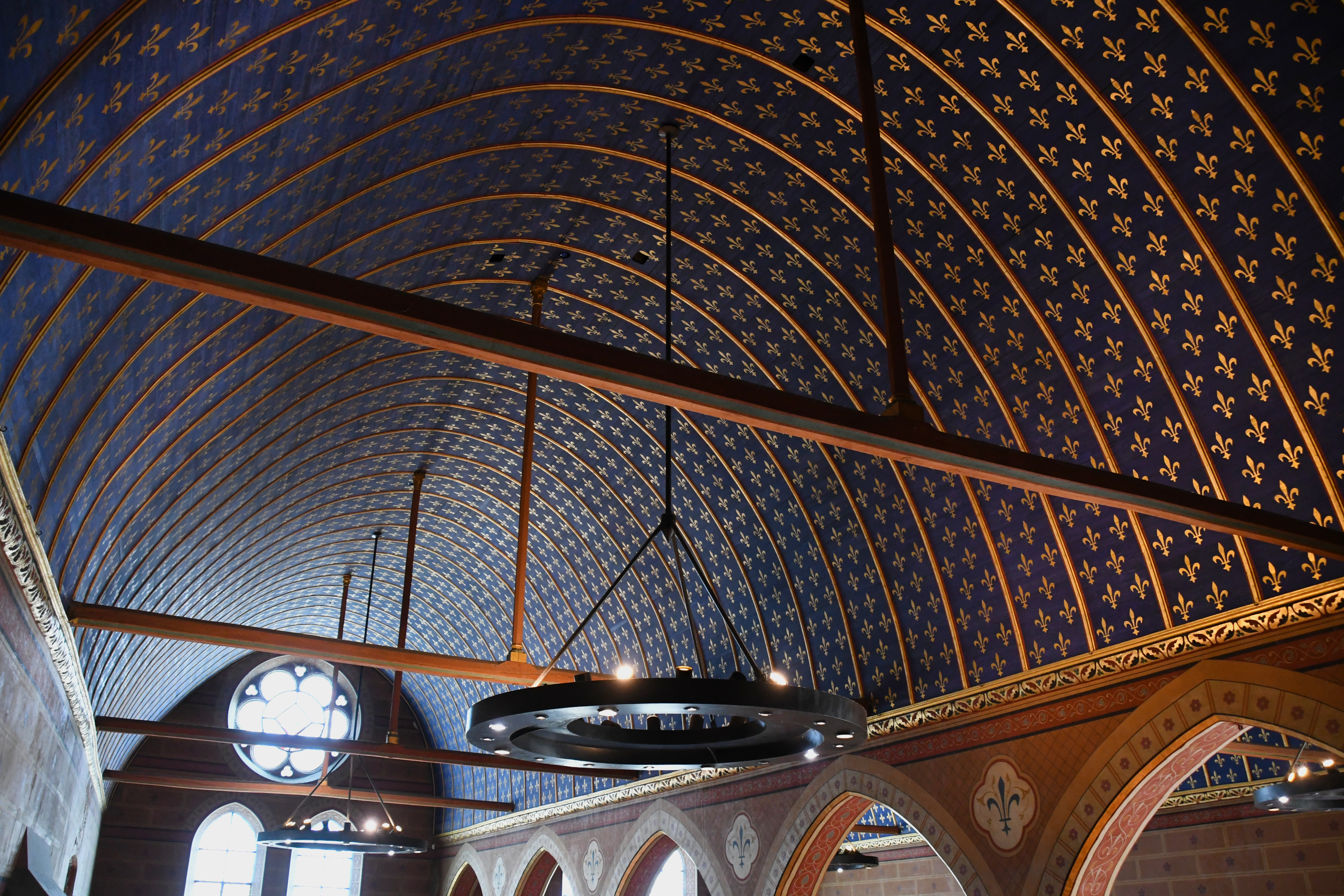
Long after the visitors have departed, the galleries, chambers, and halls of the Loire's chateaux still invite us to imagine the lives, ambitions, and creativity of those who once walked their floors.


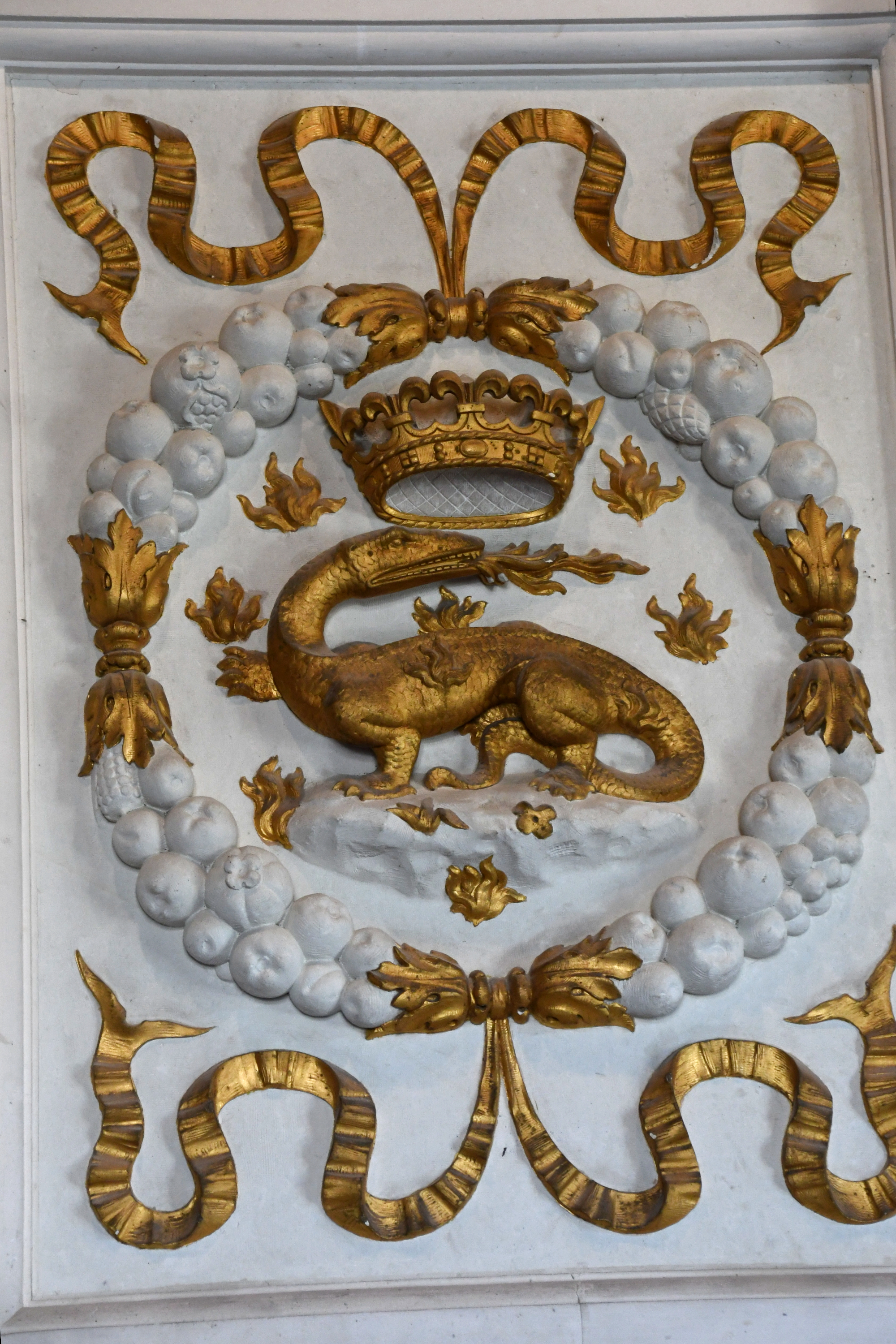
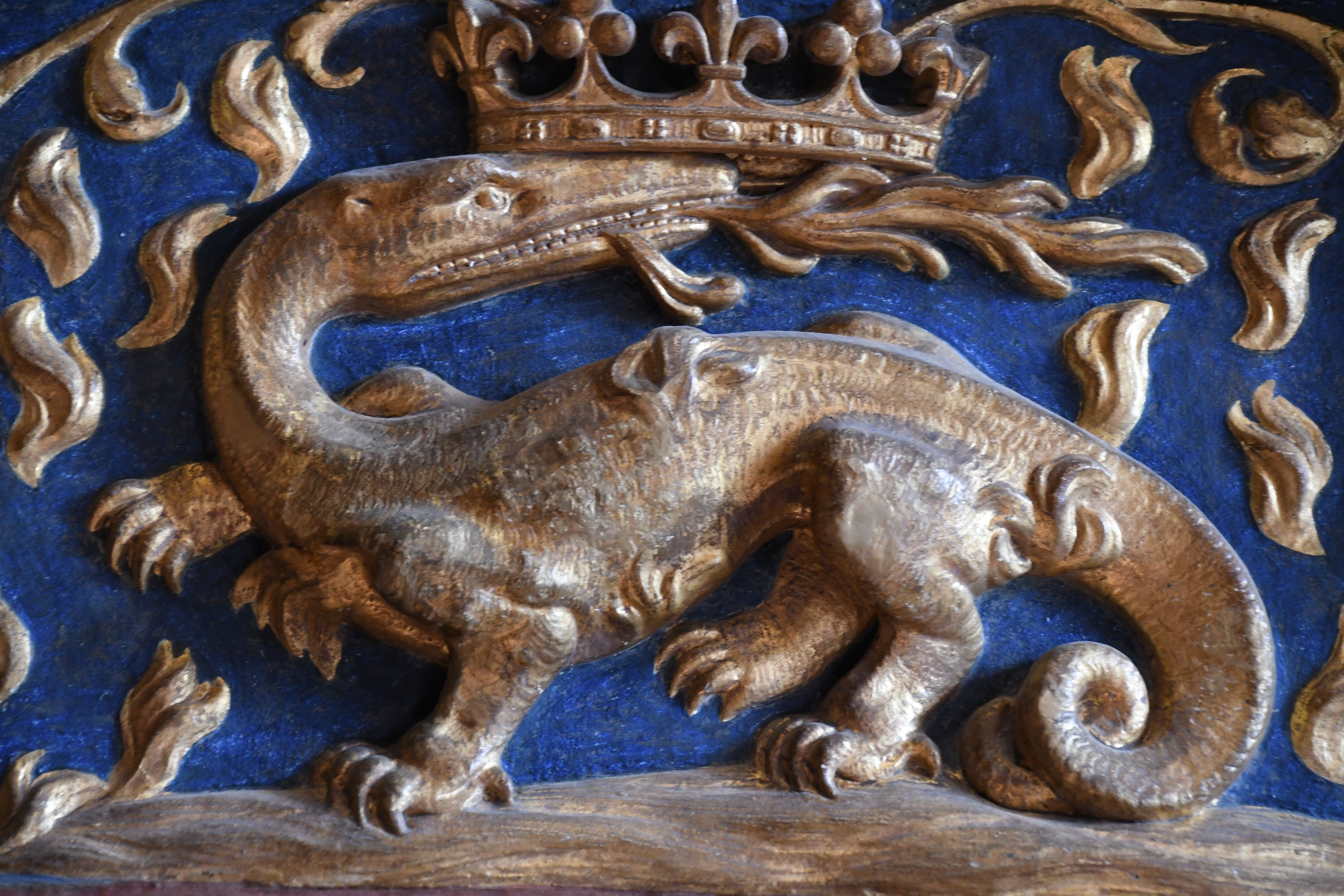
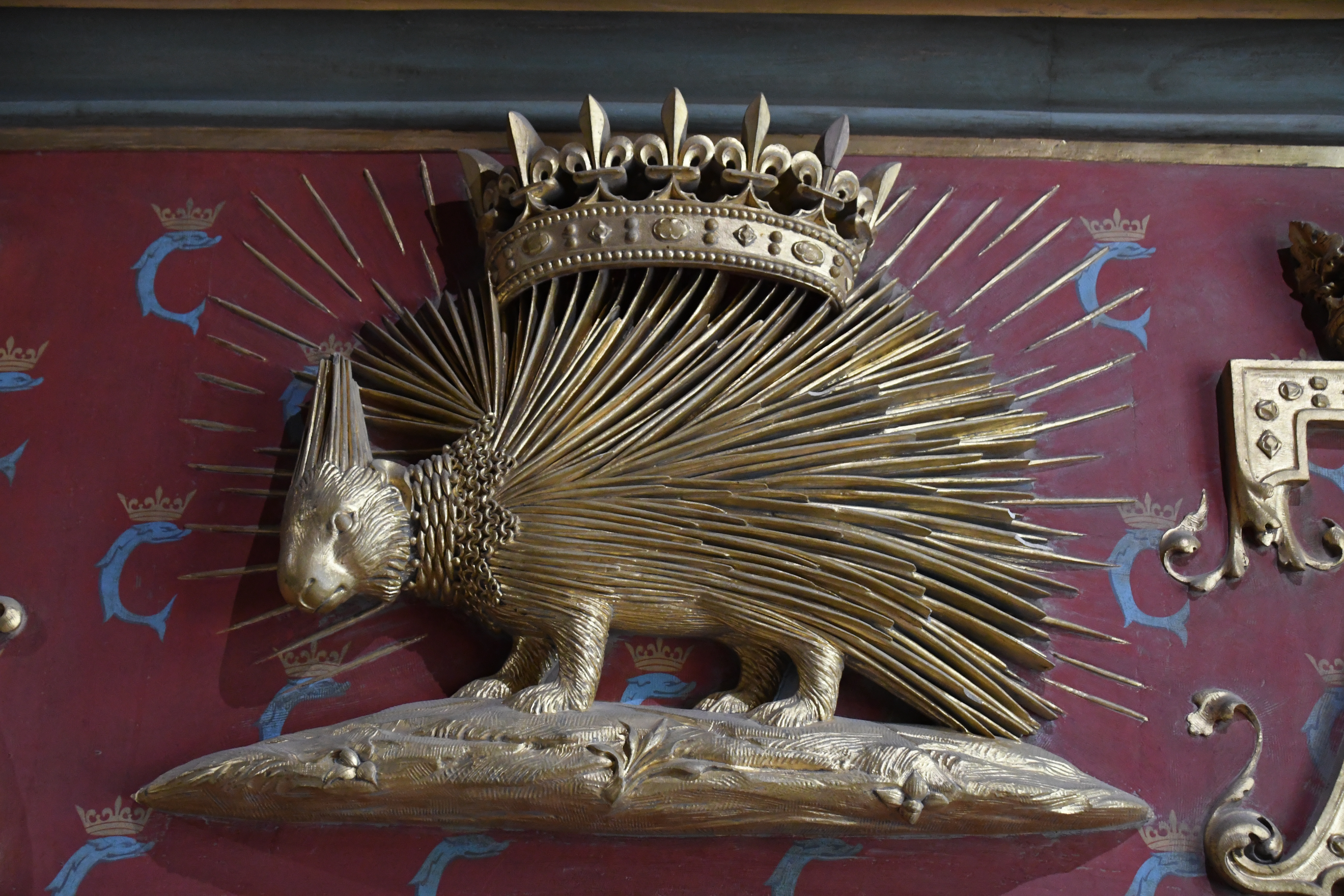
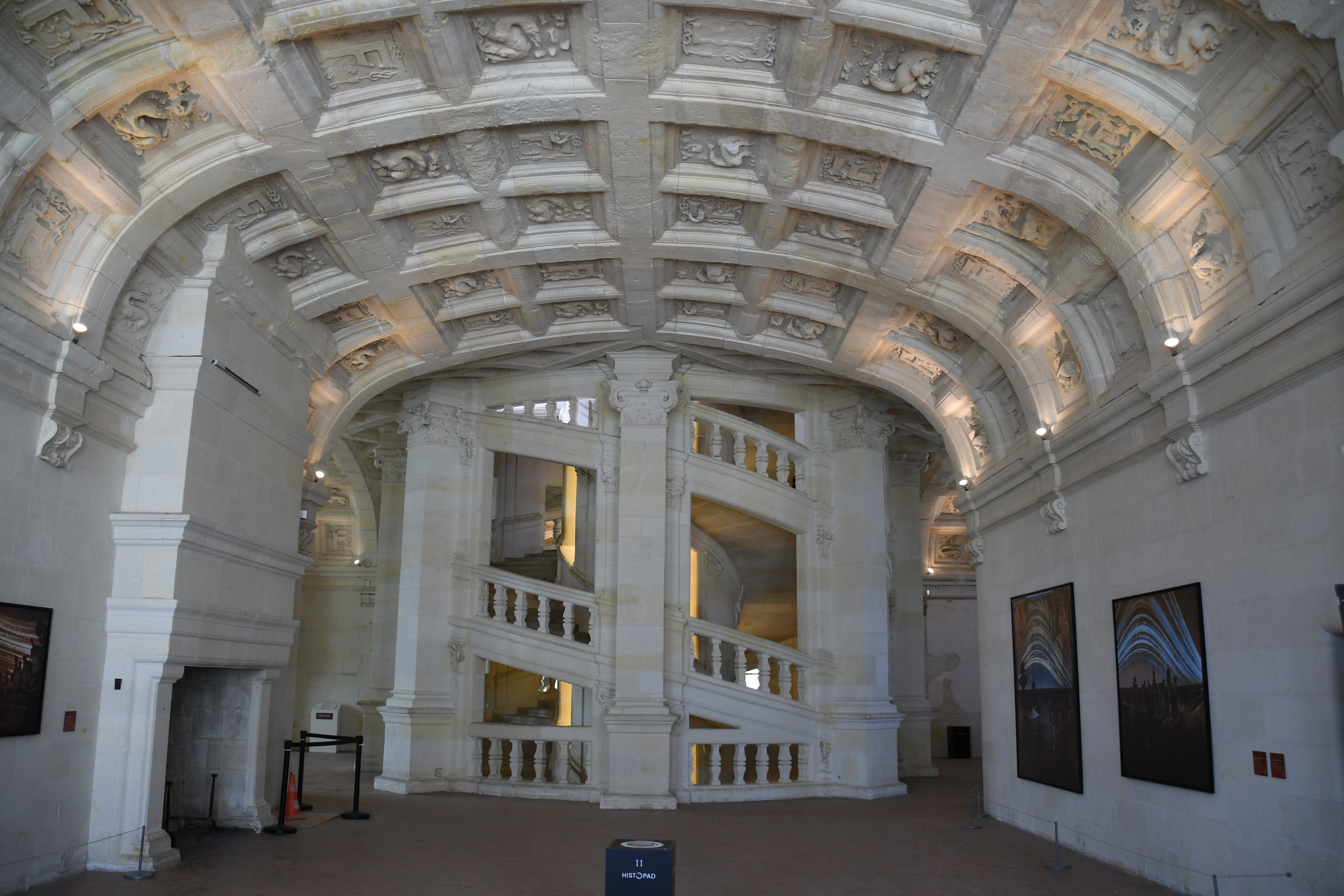
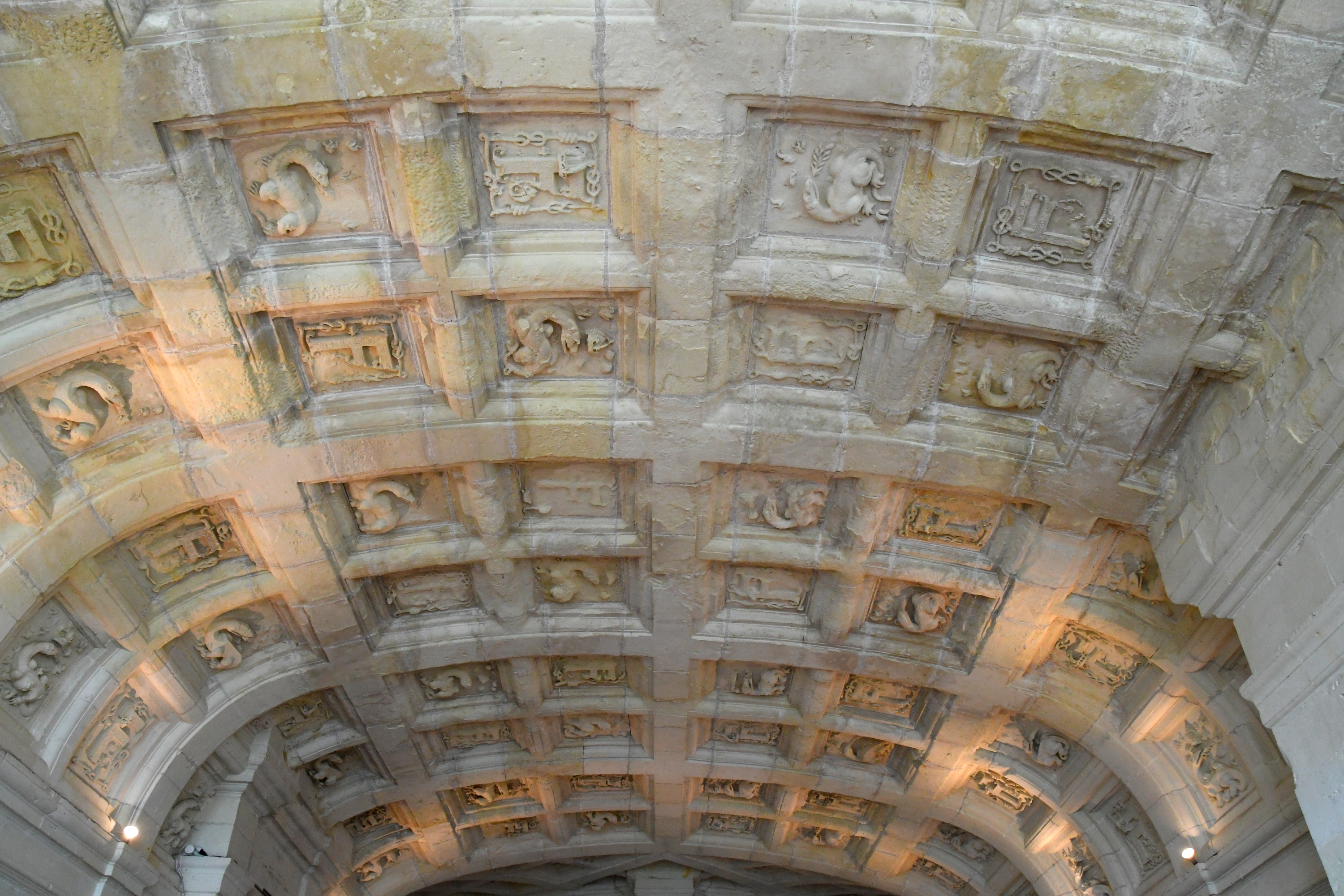
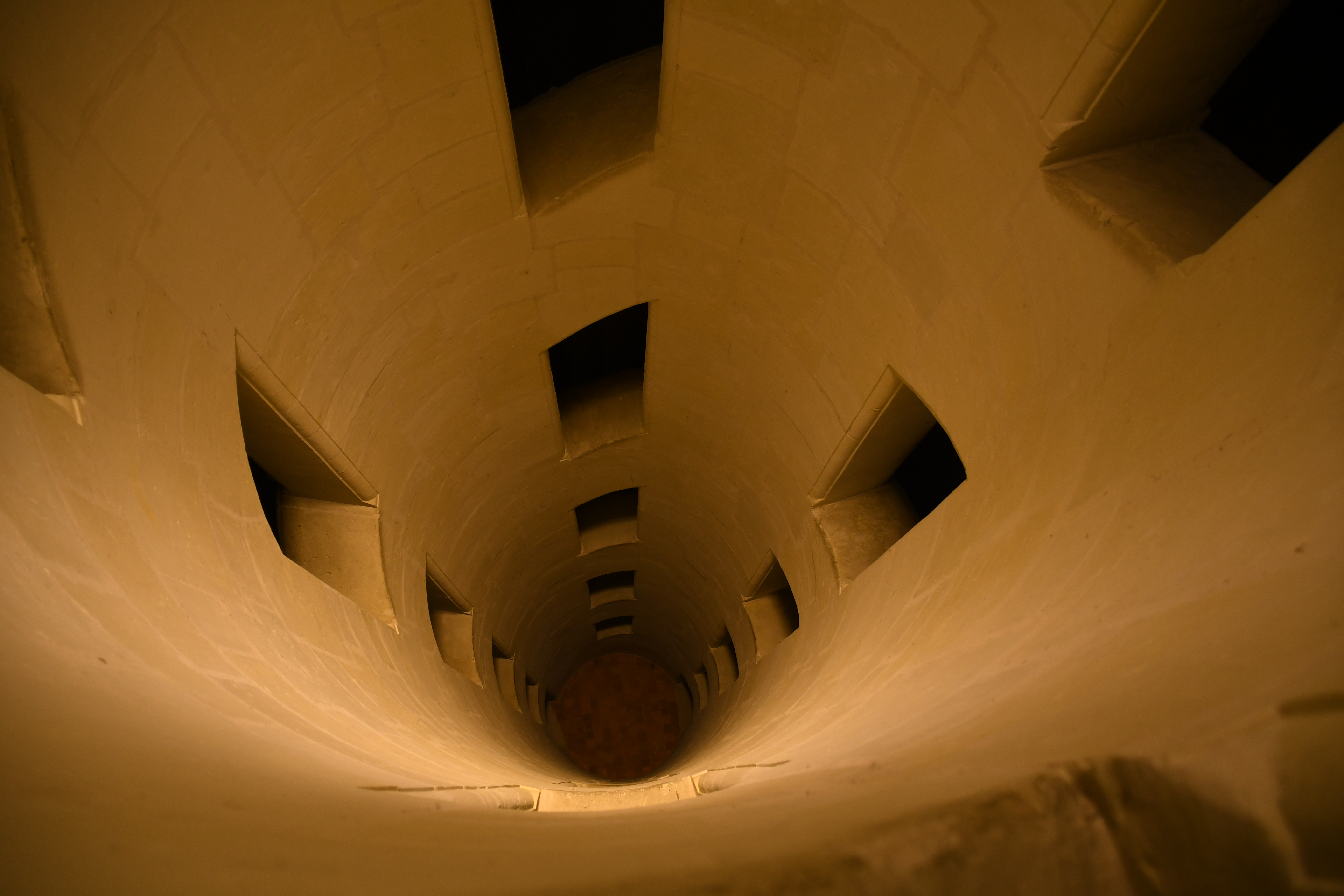
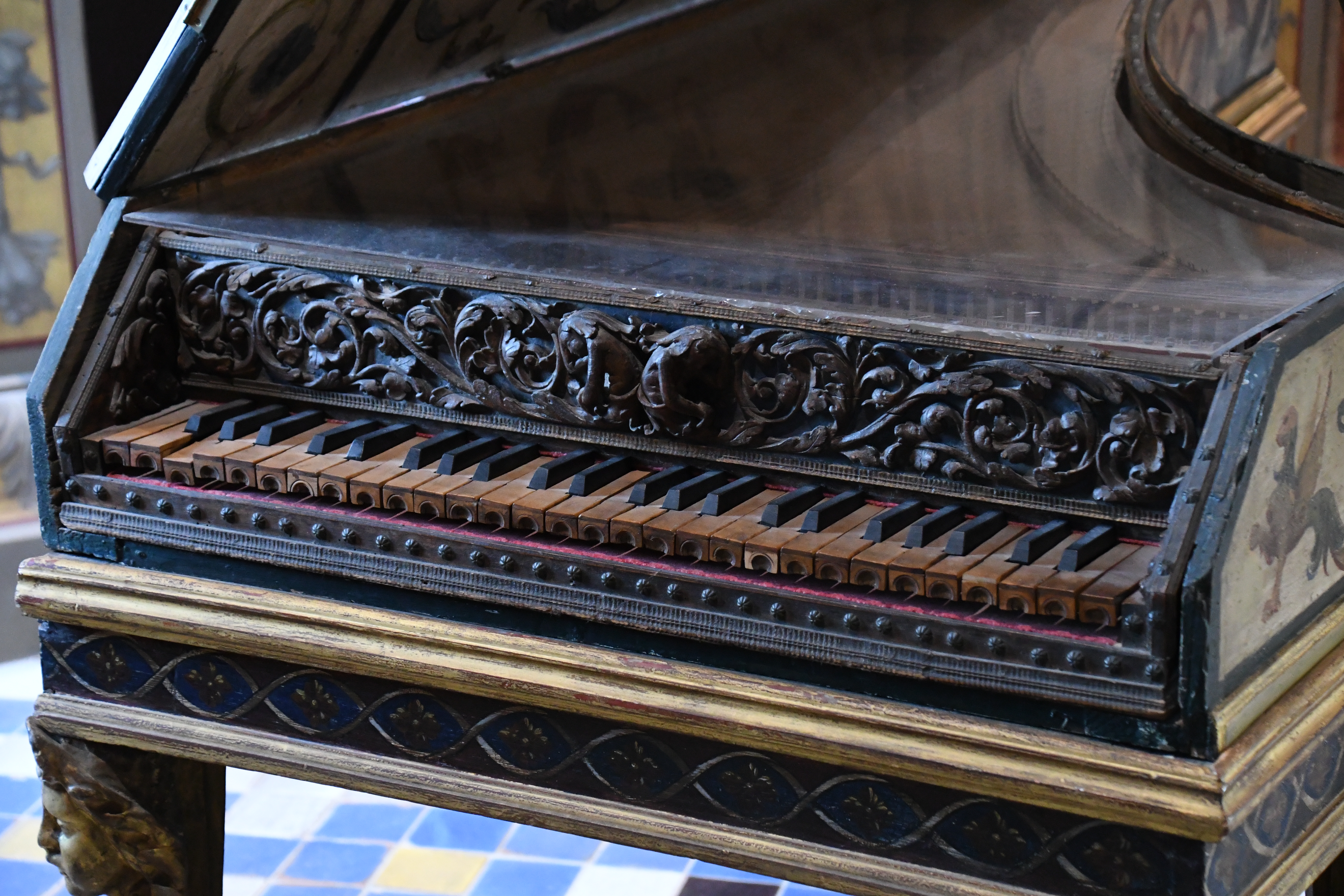
The interiors of the Loire Valley's chateaux reveal far more than beautiful rooms. Royal symbols proclaimed identity and authority, architects transformed stone into works of imagination, and artists filled walls with stories, music, and color. Together these spaces offer a glimpse into how the people of the Loire wished to live, create, and be remembered.
Their story continues in Alone in Our Favorite Chateau.
Companion Tales
These stories capture the unexpected encounters, memorable characters, and experiences that brought this journey to life.


Related Journeys - coming soon


England - short trip to history
Working back to prehistory. London first with its pomp, Stratford with the Bard, Bath and Romans - finally Stonehenge
Svalbard
The frozen north of Europe, an unincorporated part of Norway but home to arctic life and the beauty of a stark landscape.