
South Africa - Wetlands and the Avoca
Wetlands, wildlife and stories from the bush.
Our Journey
The journey begins among the wetlands of iSimangaliso before moving inland through the wildlife-rich landscapes of Kruger and the Timbavati. Along the way, each destination reveals a different side of South Africa, from thriving ecosystems and unforgettable wildlife encounters to the stories and struggles that shaped the modern nation.
-
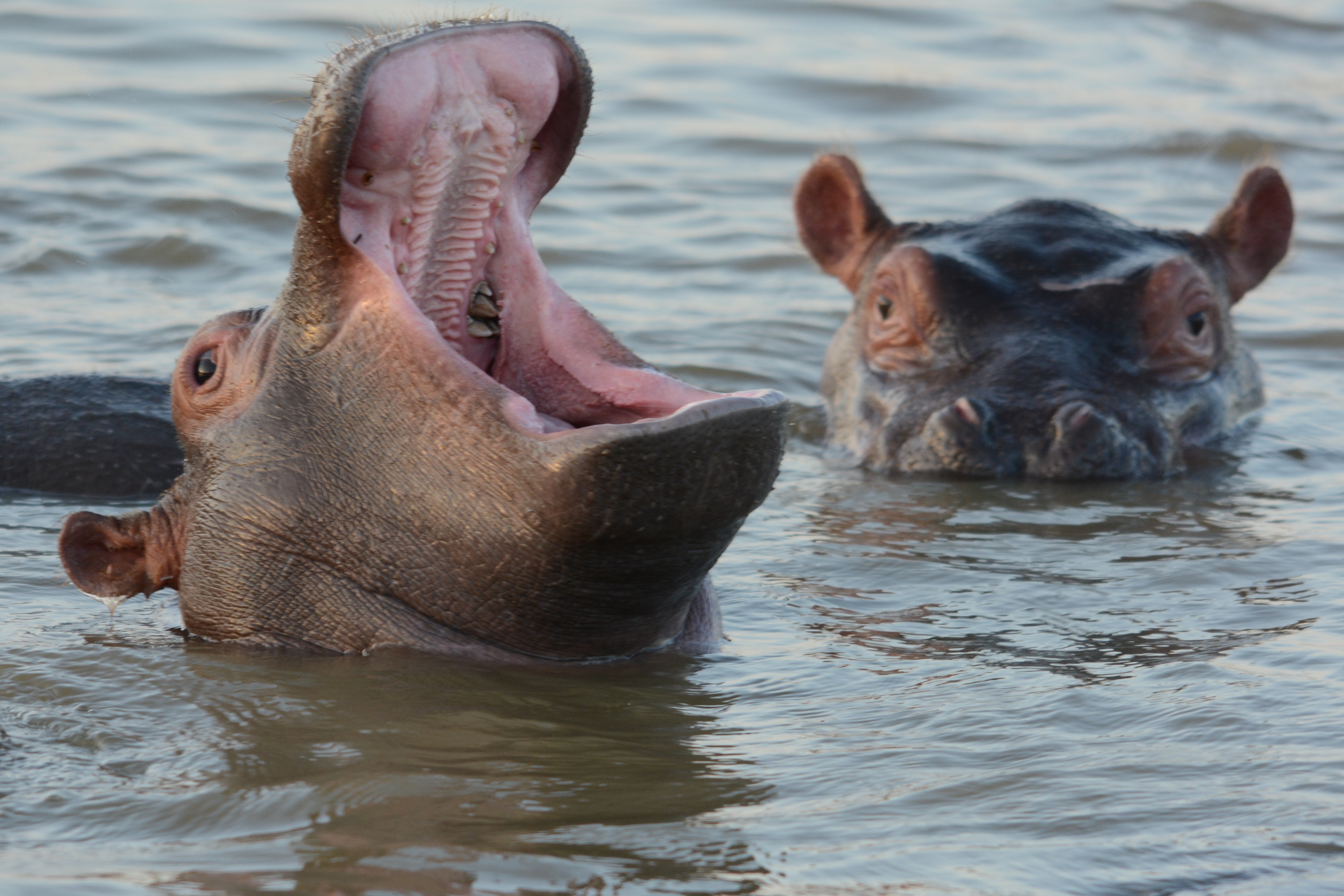
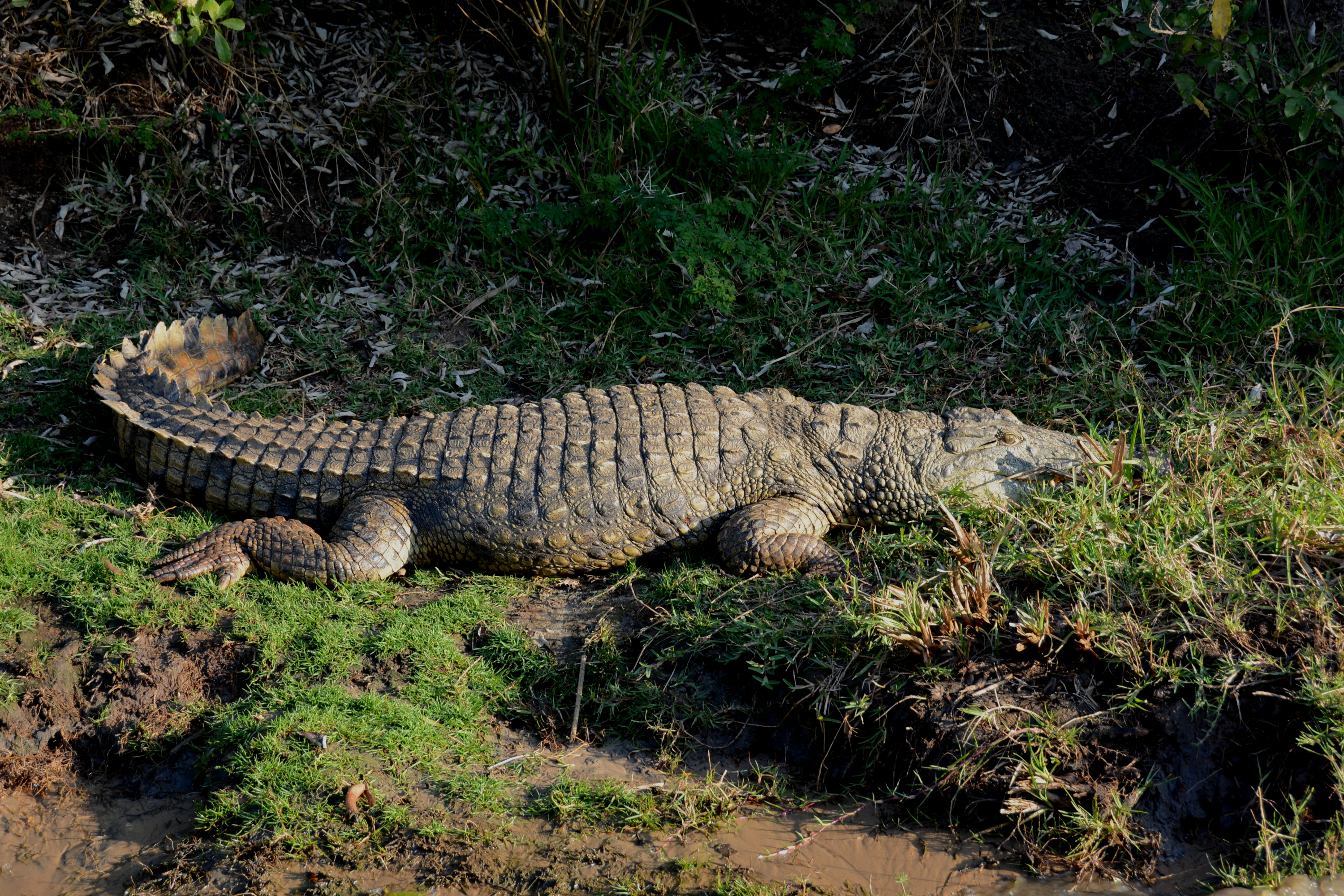
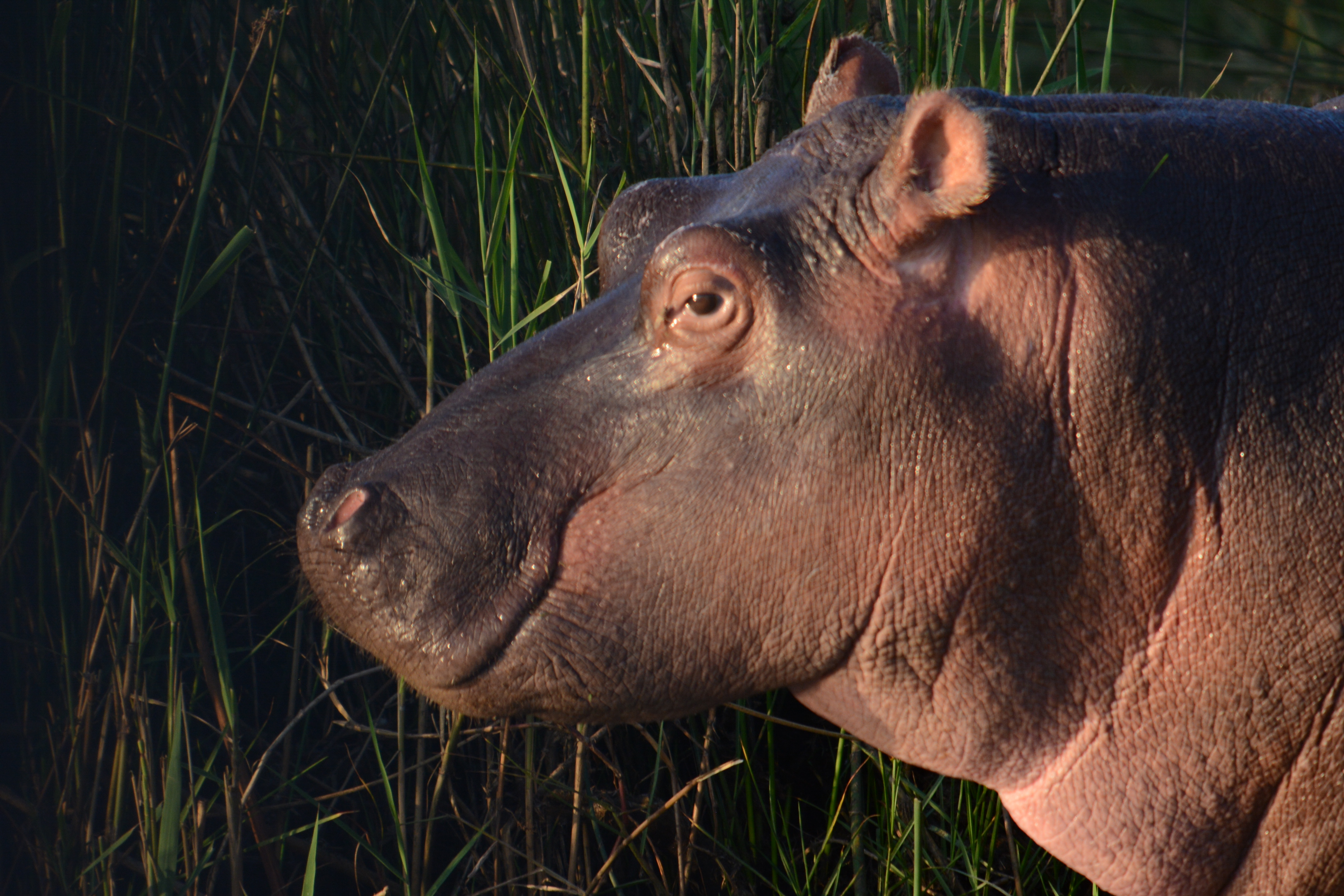
Days 1-2 - iSimangaliso Wetlands — hippos in still water, crocodiles along the banks.
-
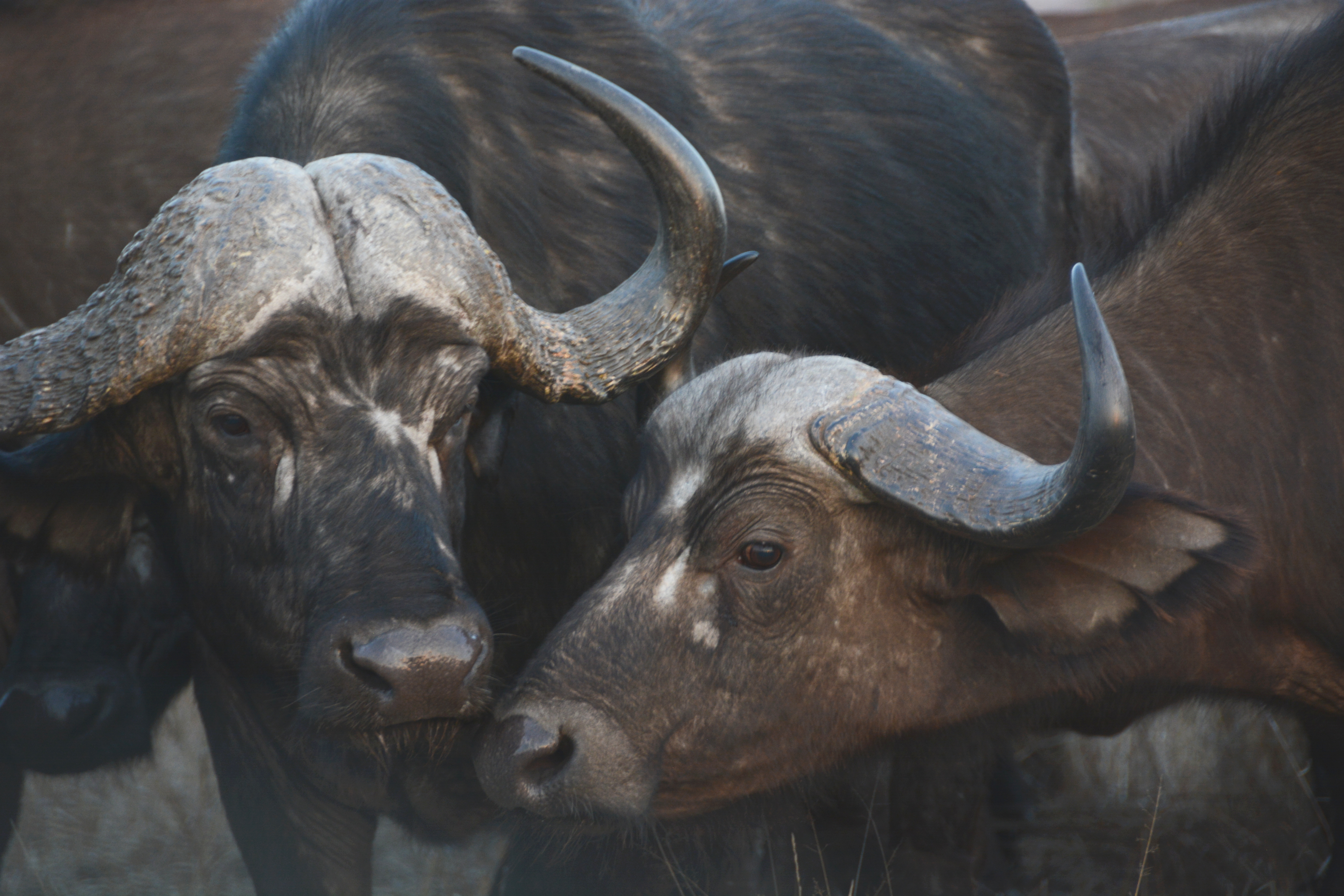
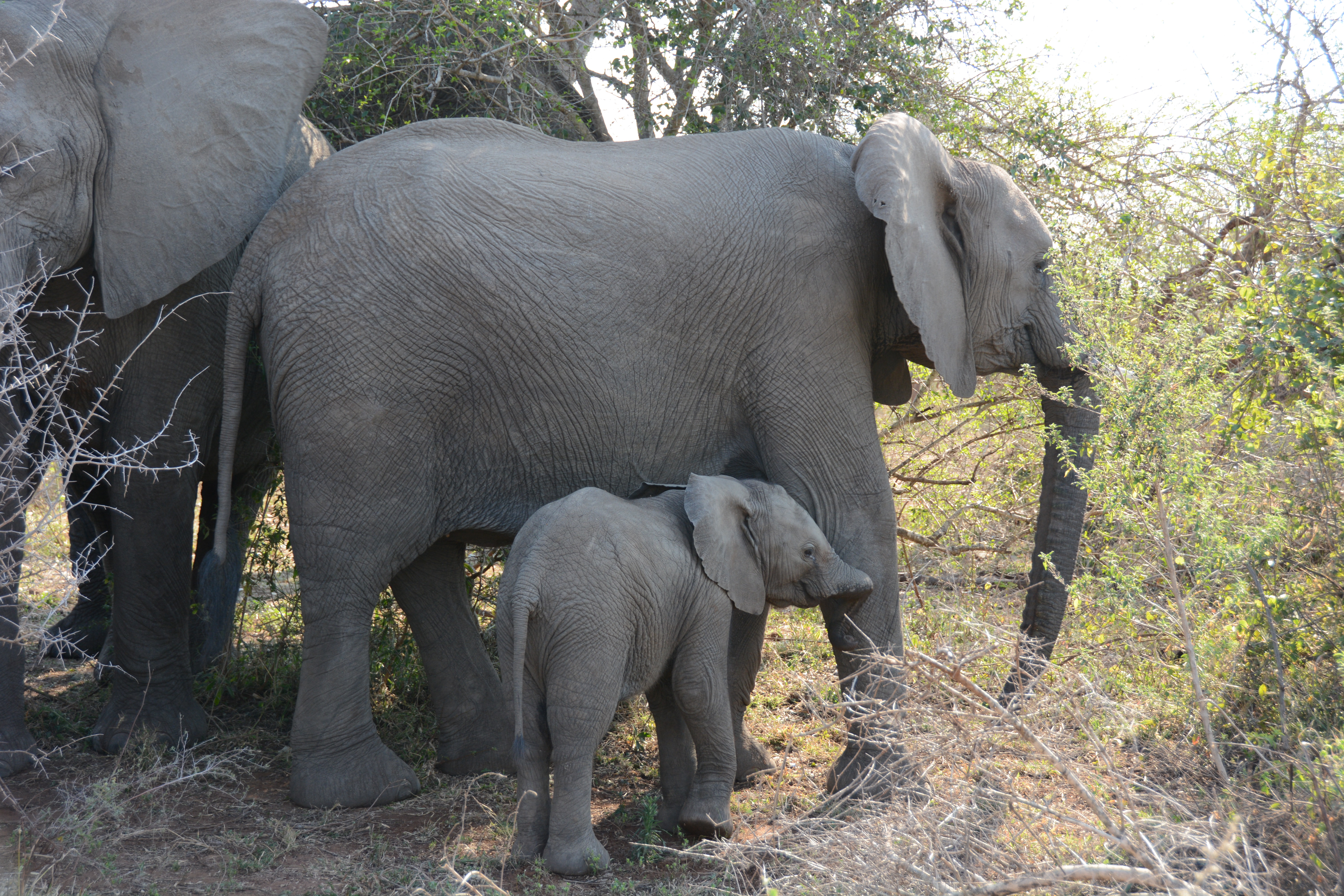
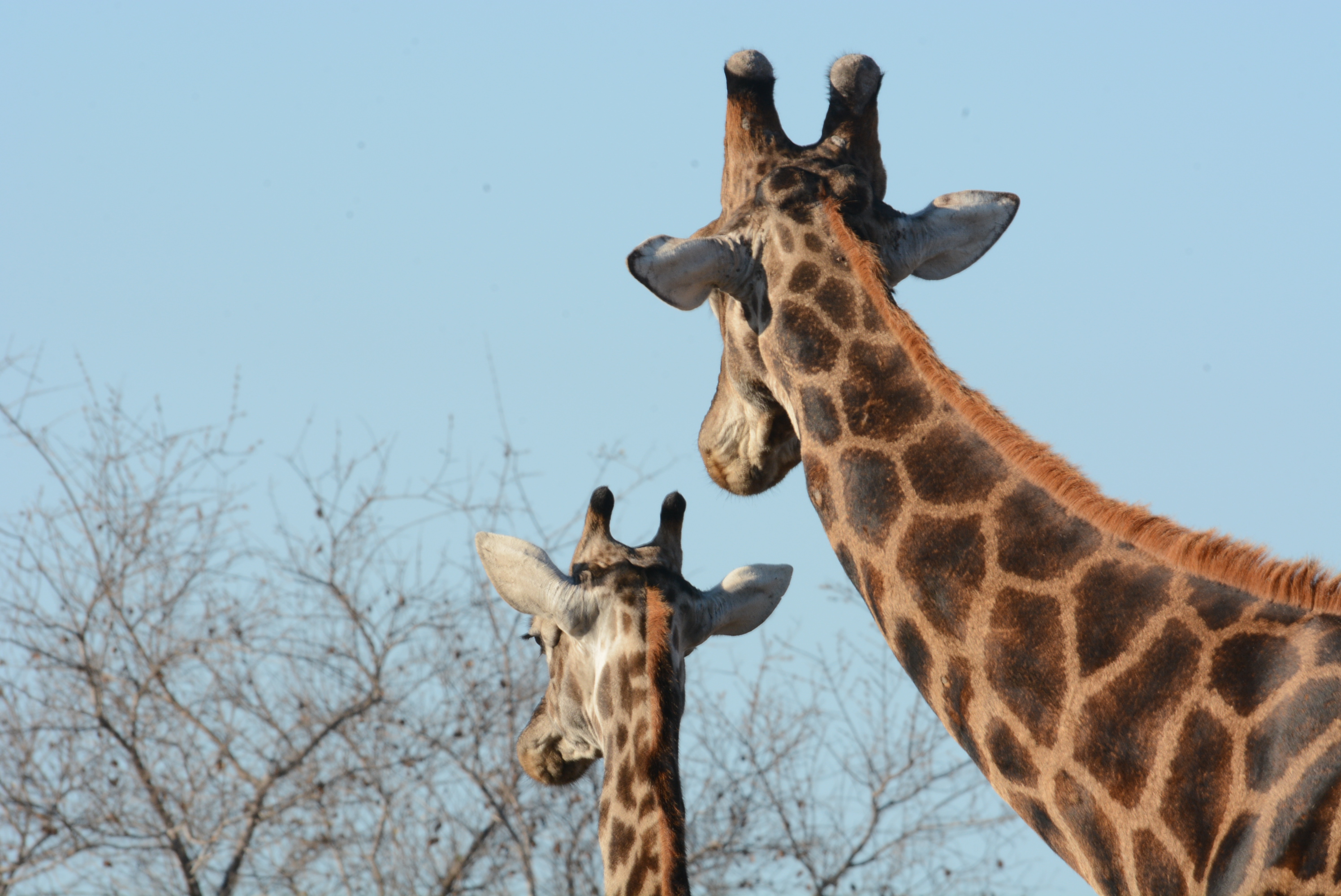
Days 3-4 - Kruger National Park — elephants, rhinos, Cape buffalo, giraffes.
-
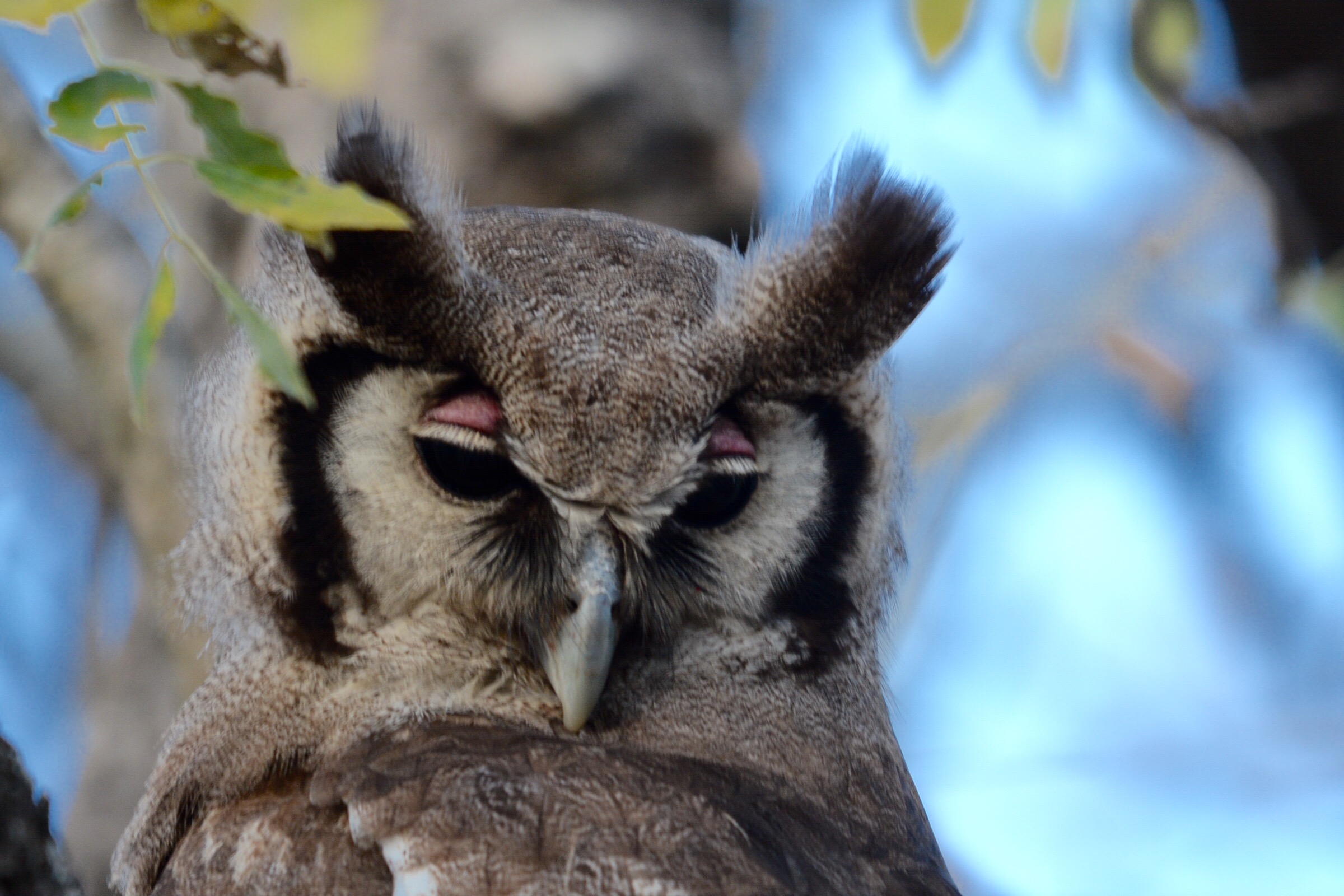
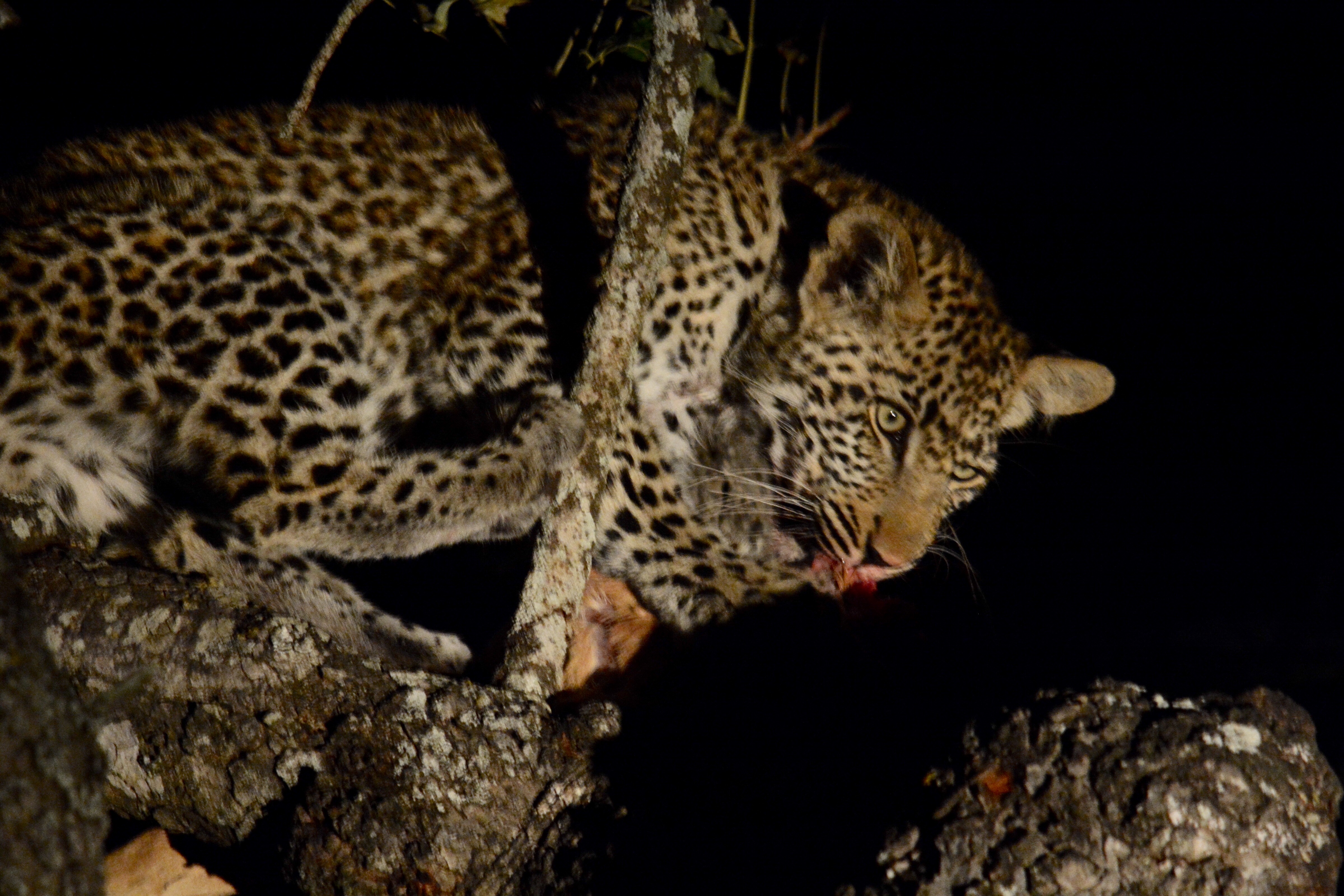
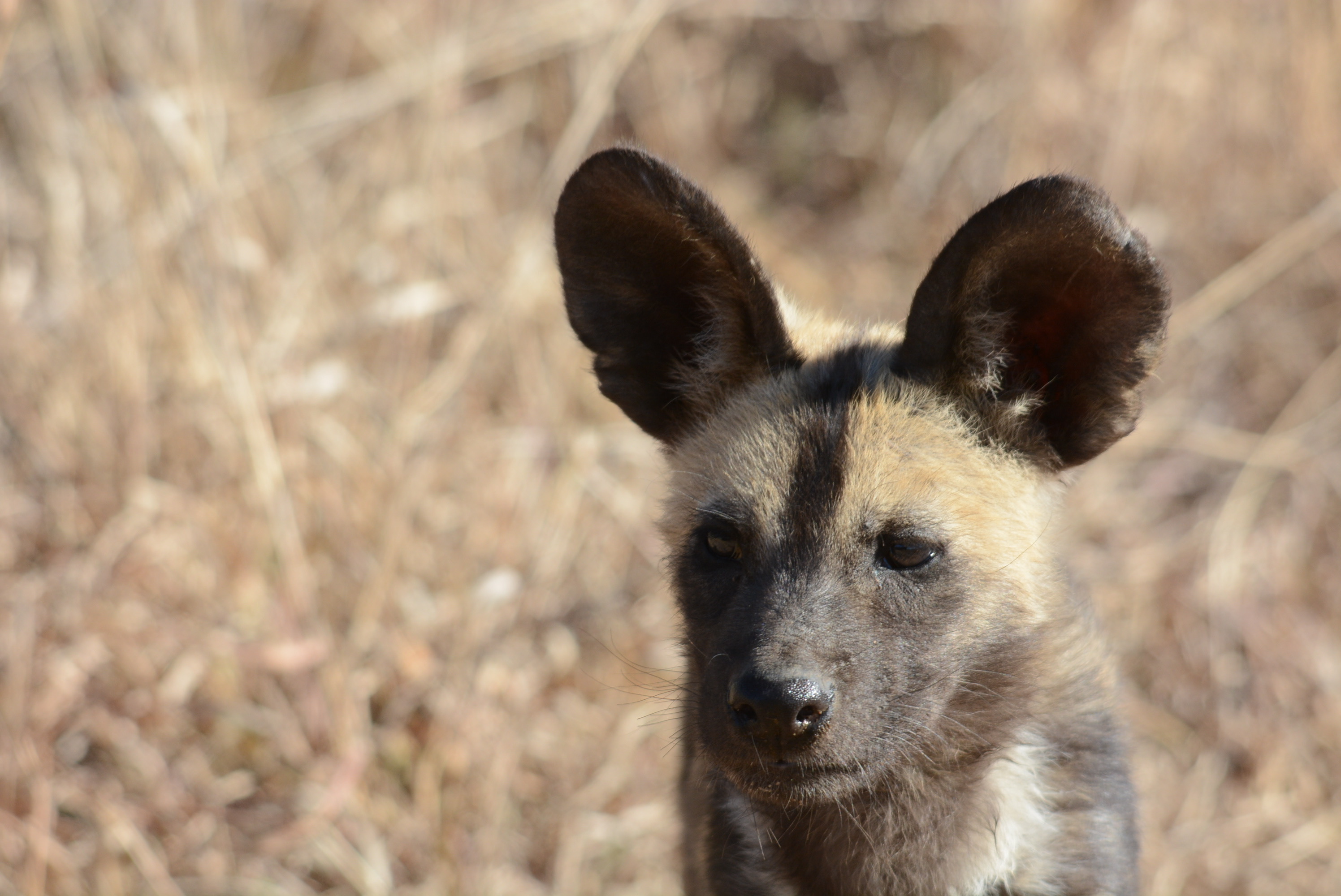
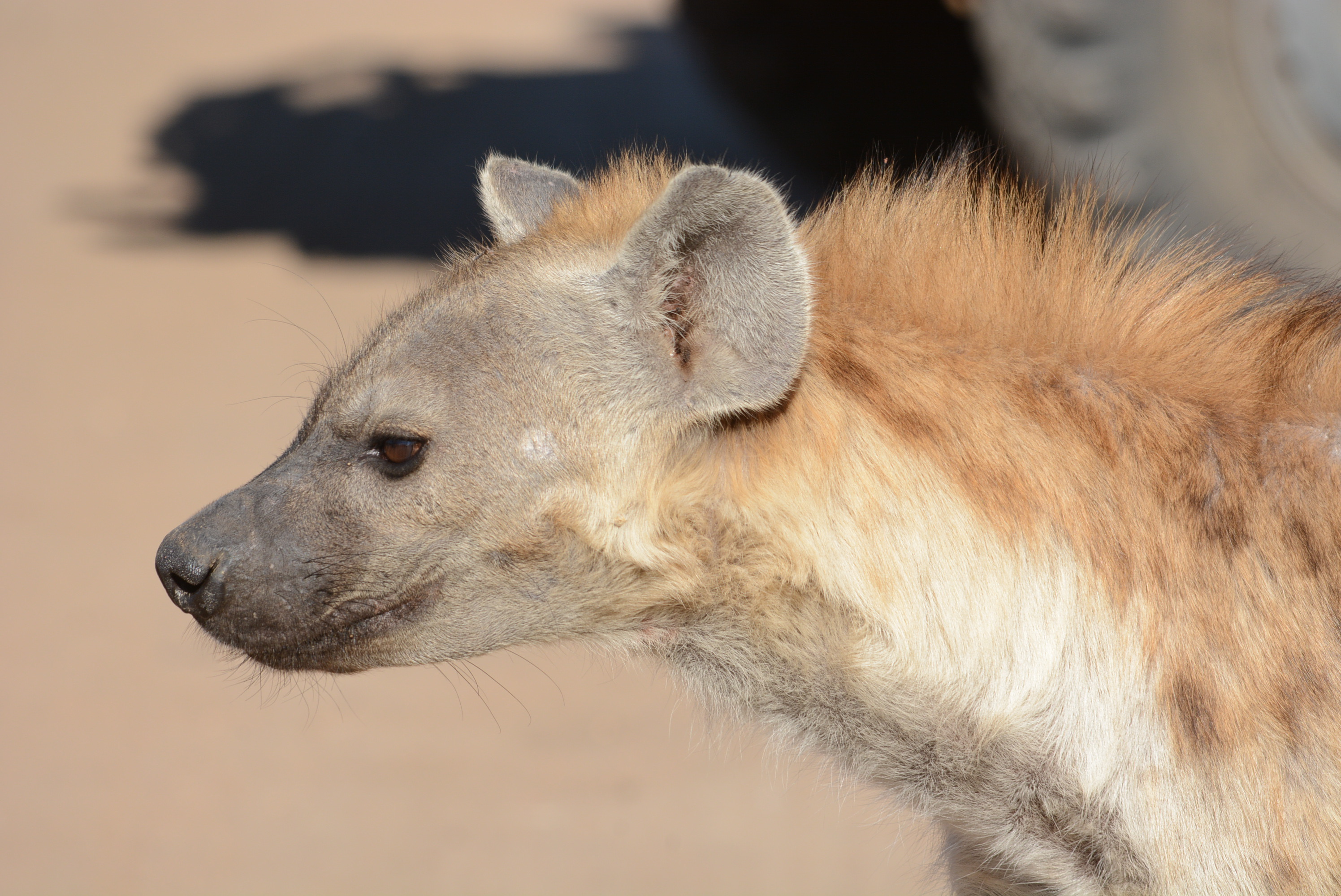
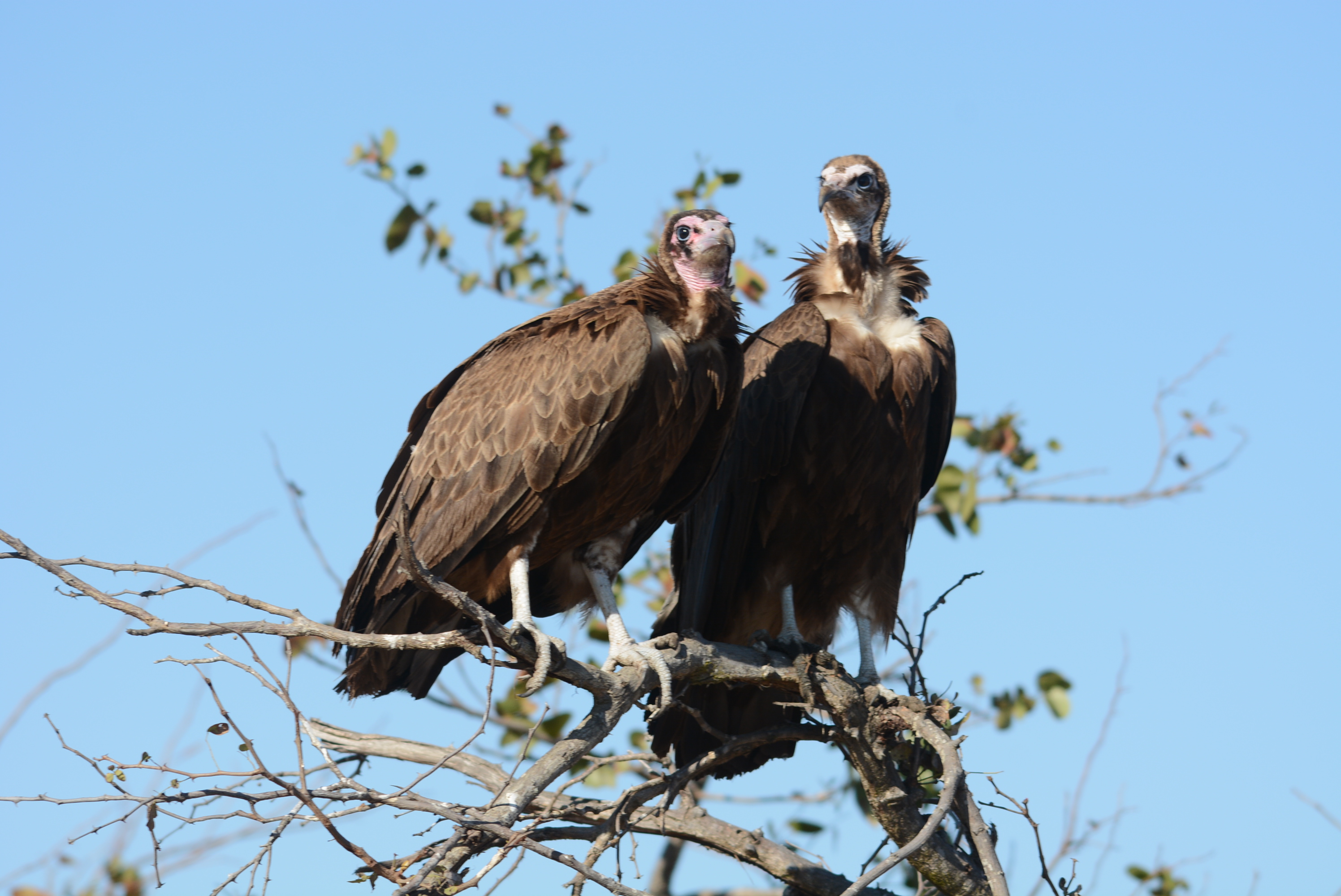
Days 5-9 - Timbavati — Avoca pride, leopards, owls, hyena, vultures, wild dogs.
-
Day 10 - Johannesburg — a reflective end at the Apartheid Museum.
iSimangaliso Wetlands

iSimangaliso Wetland Park brings together wetlands, grasslands, and waterways that support one of South Africa's richest wildlife ecosystems.


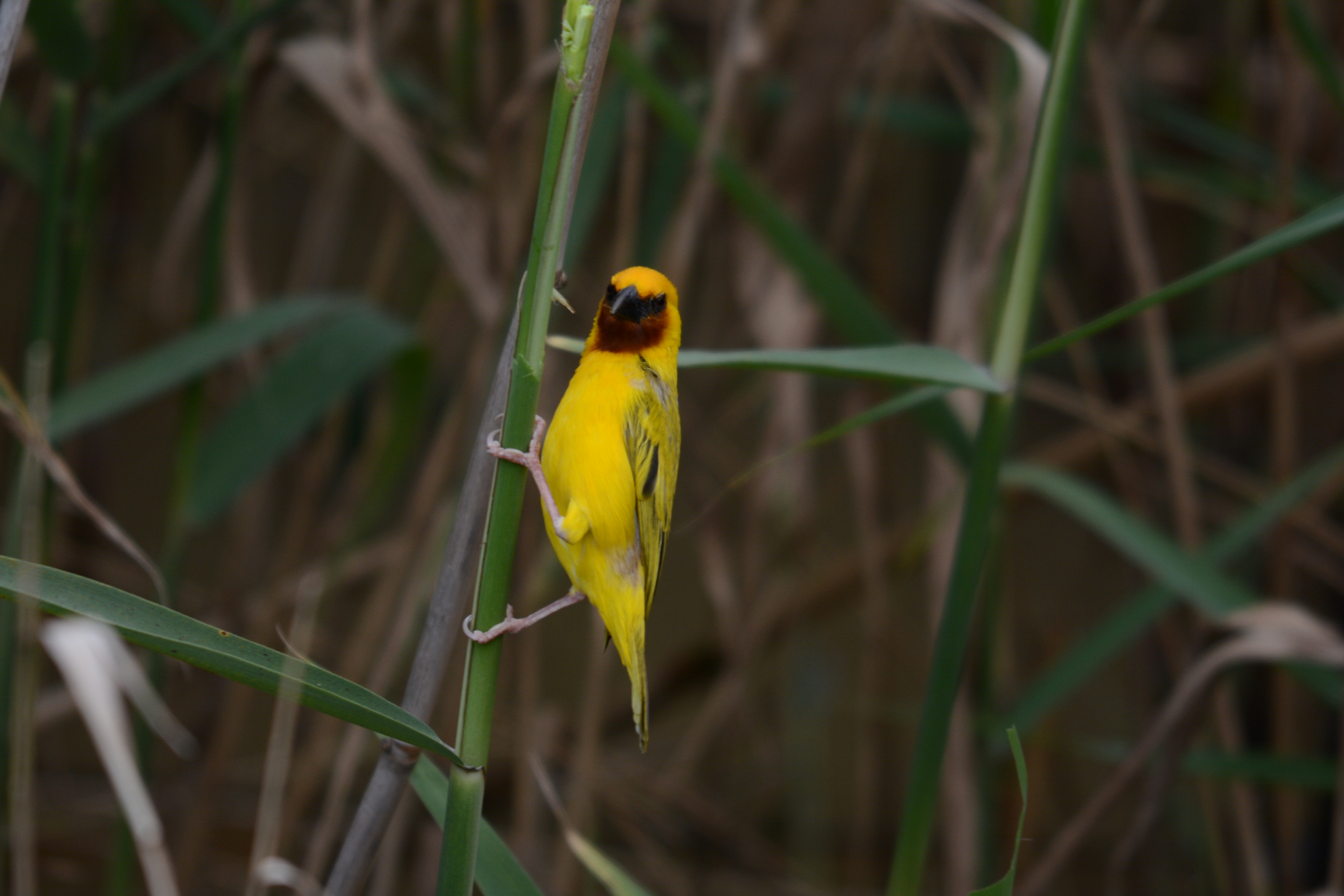
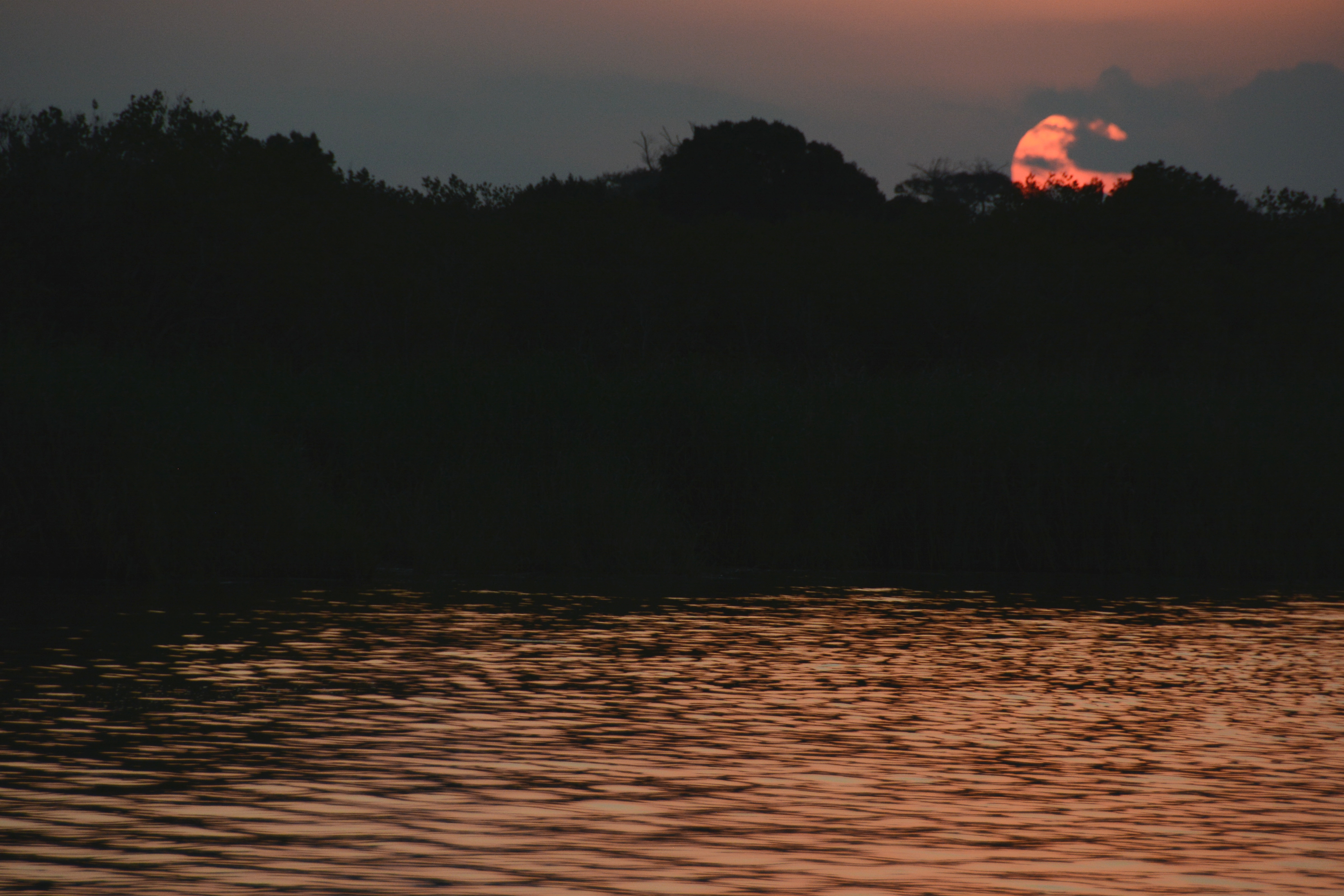
Across the wetlands of iSimangaliso, hippos, crocodiles, birds, and other wildlife thrive within one of South Africa's most diverse ecosystems.
Kruger National Park

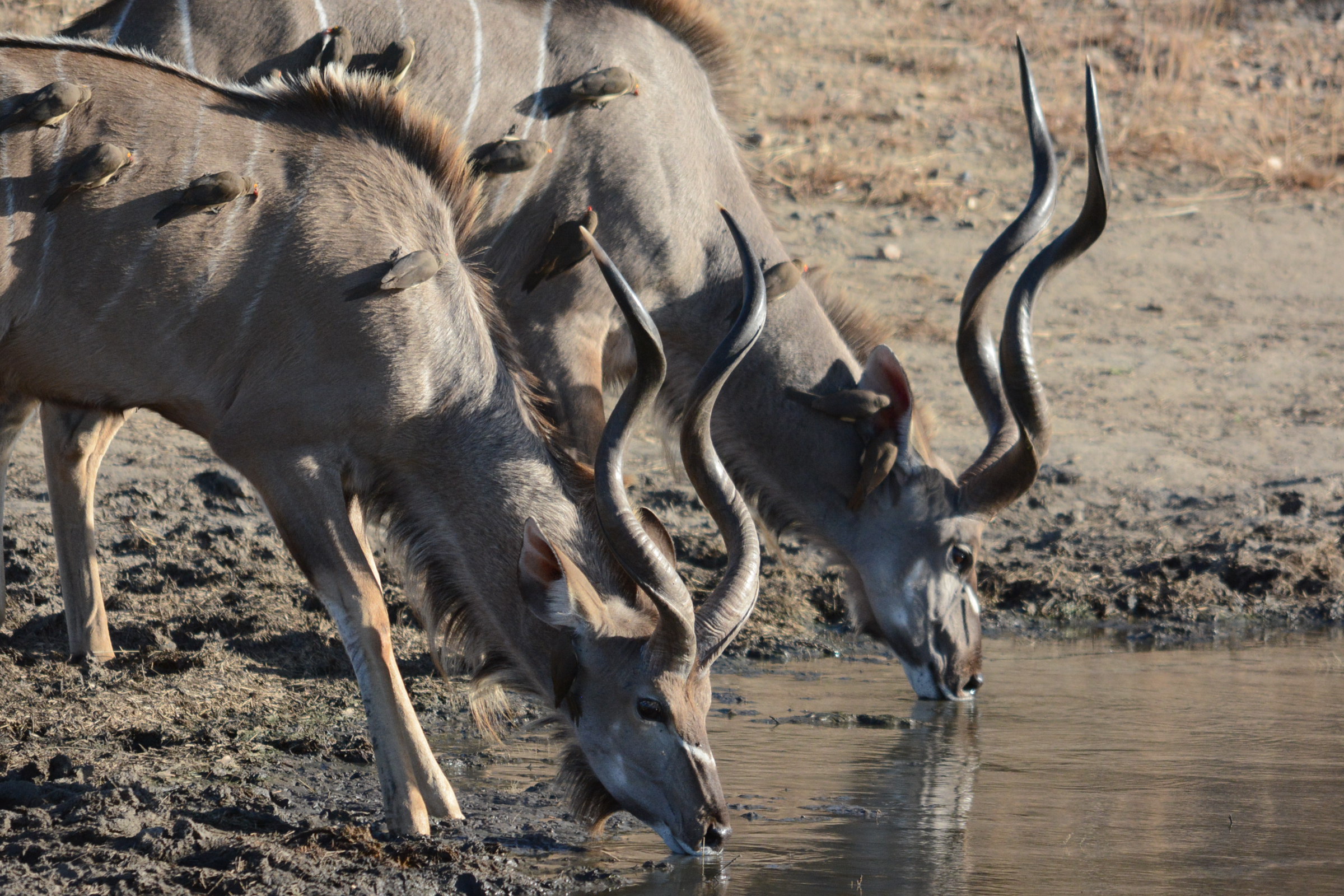
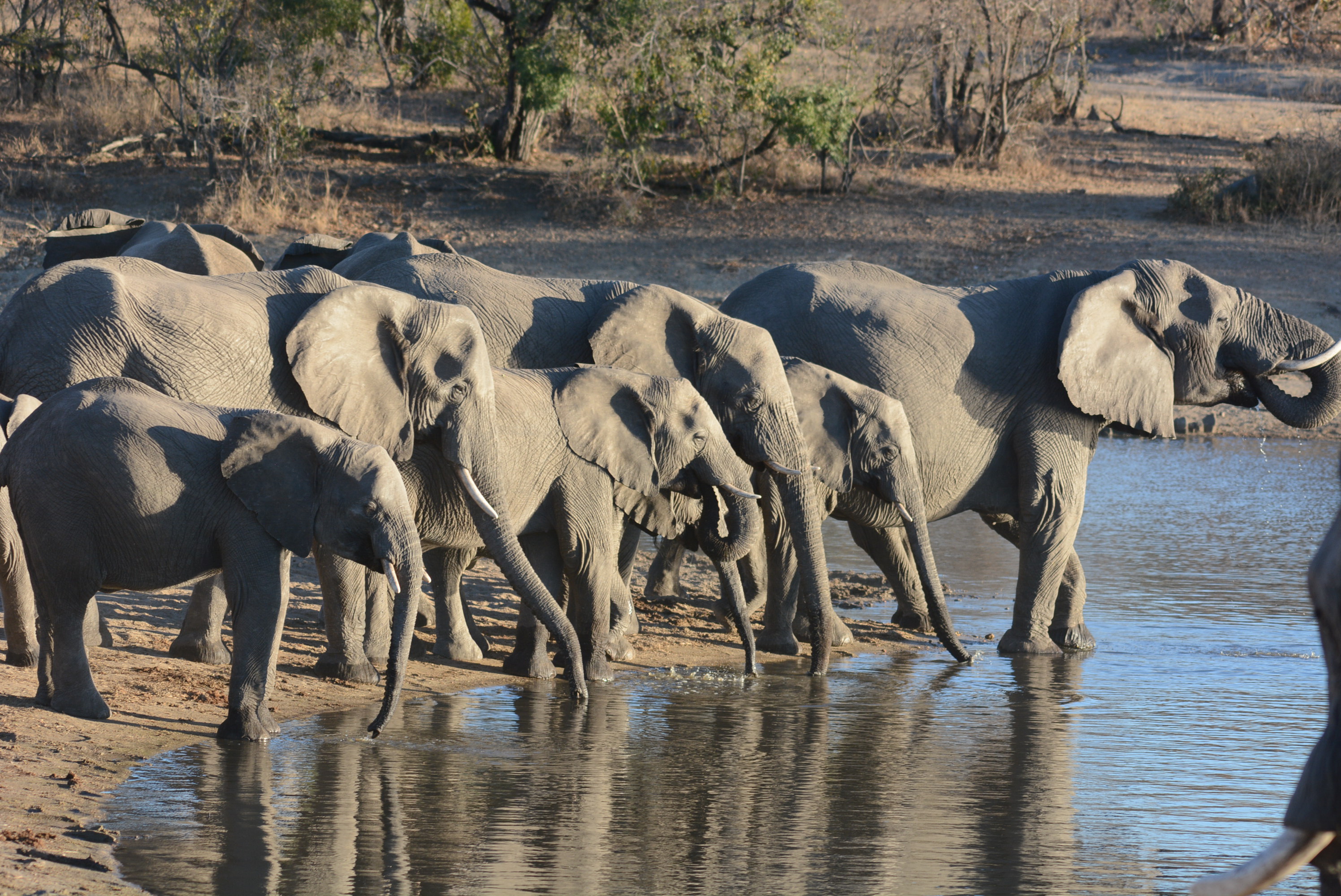
Kruger National Park offers one of Africa's premier safari experiences, where vast landscapes support an extraordinary diversity of wildlife.




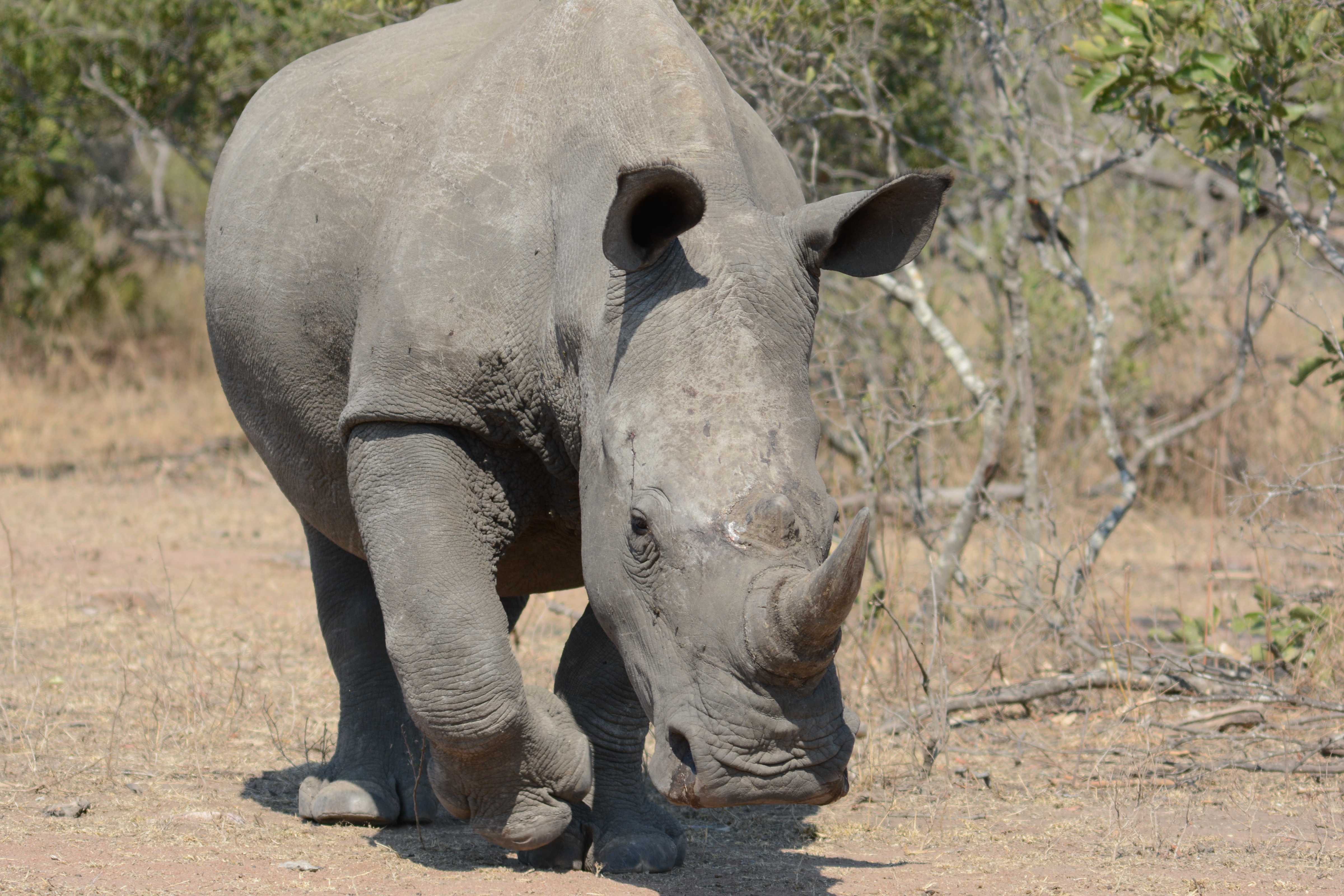
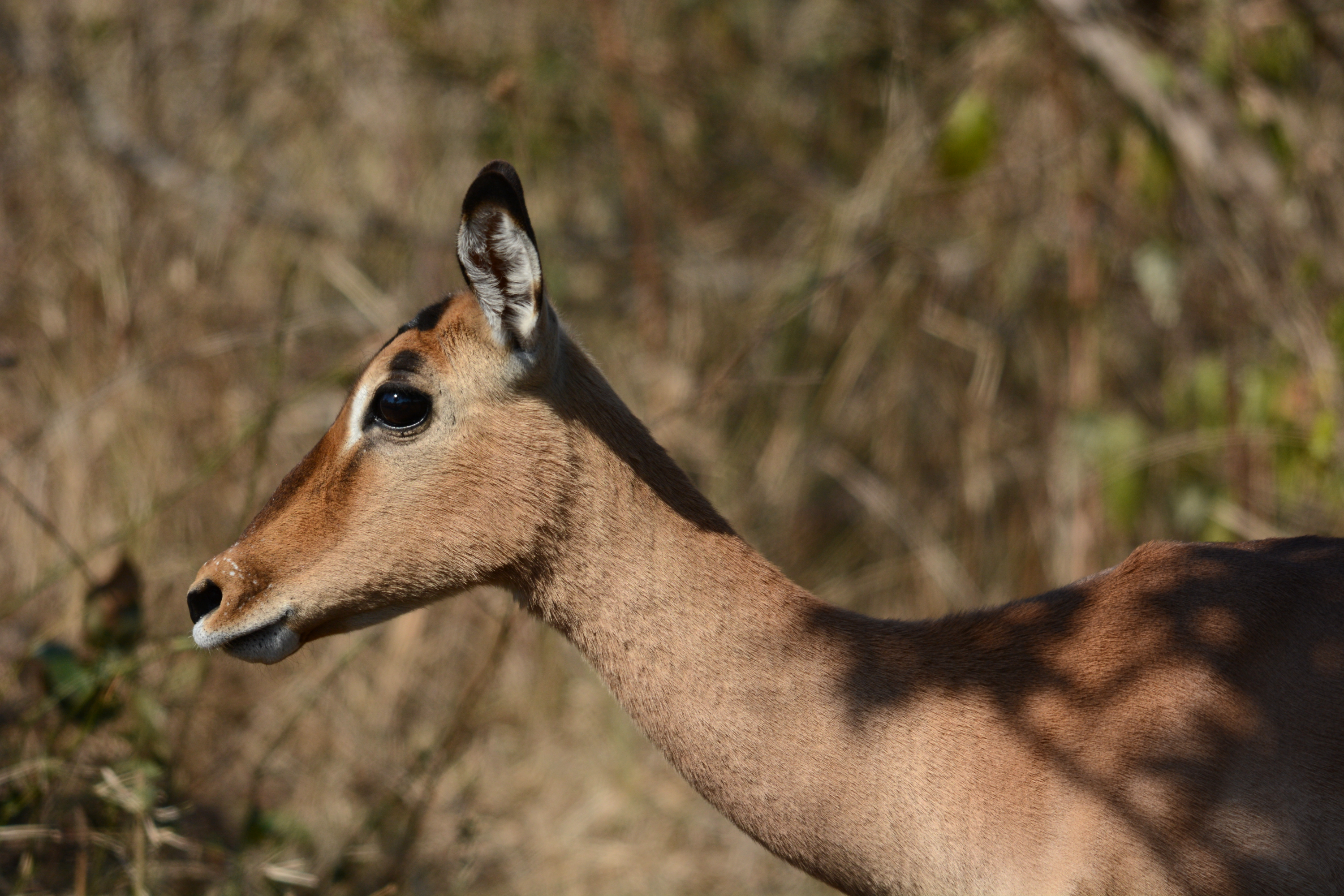
Along Kruger's roads and waterholes, elephants, rhinos, buffalo, giraffes, and antelope turn every drive into a safari adventure.
The Timbavati - Greater Kruger

The Timbavati extends beyond Greater Kruger as a protected wilderness where wildlife moves freely across an unfenced landscape.


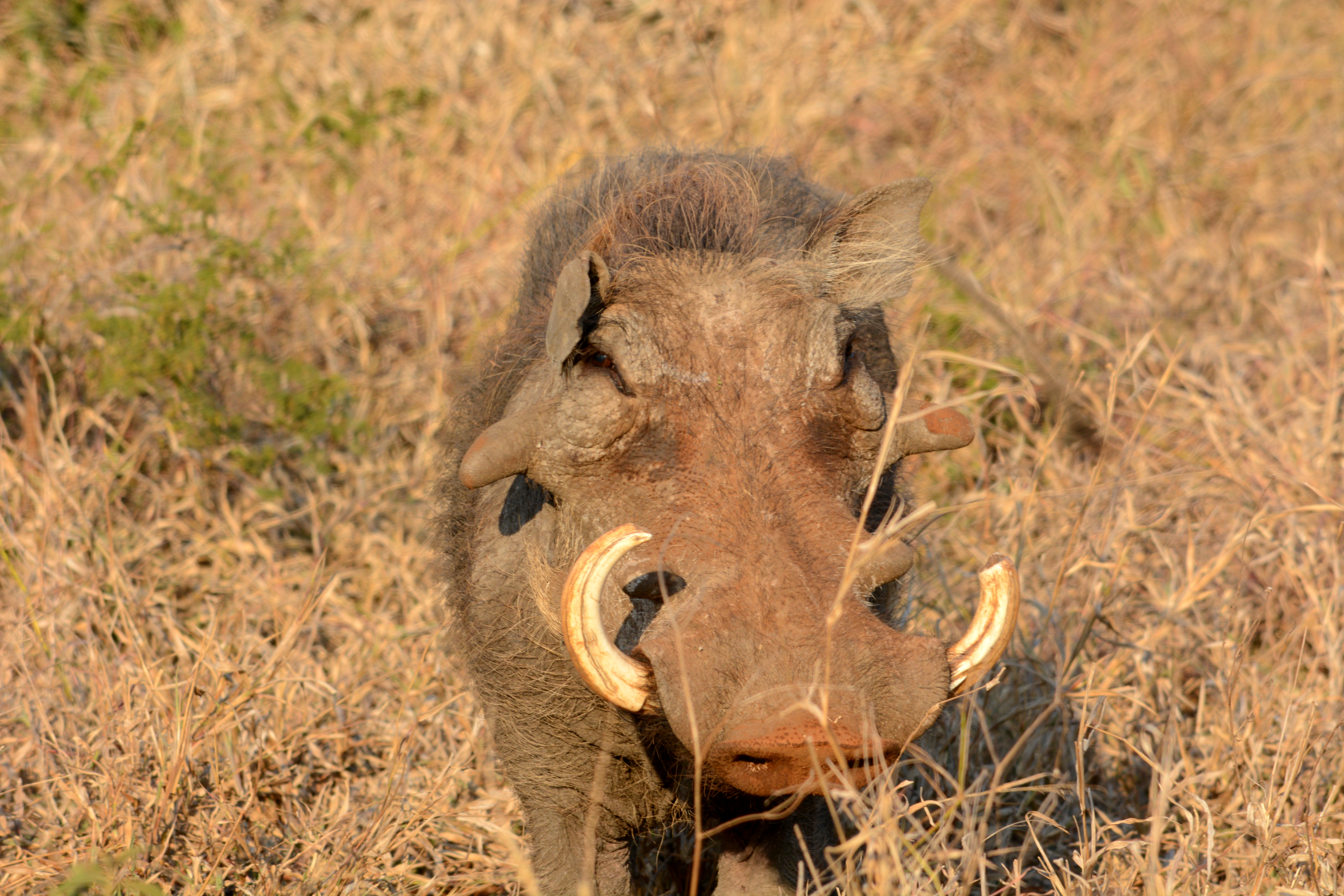
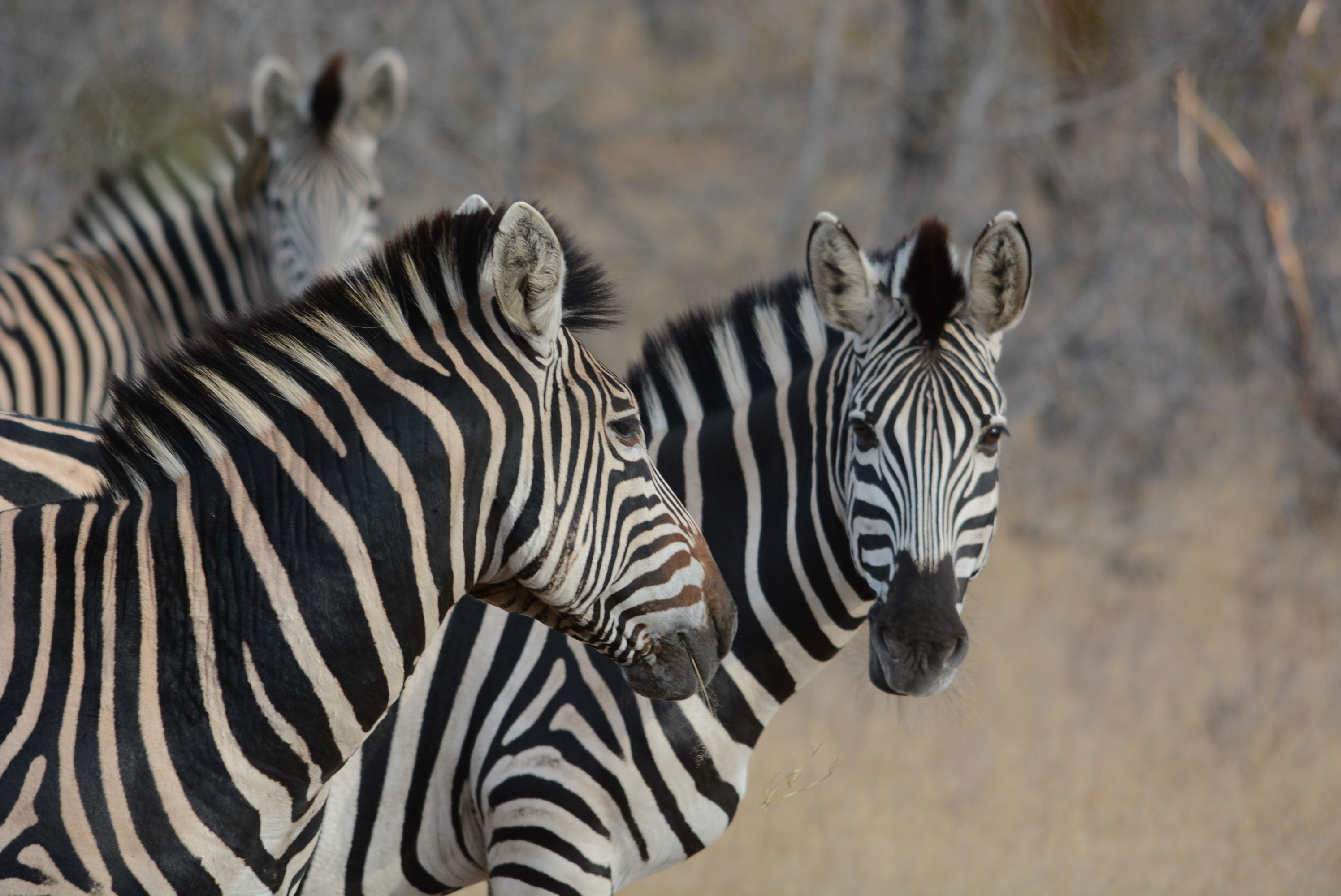
Throughout the Timbavati, predators and prey move through an untamed landscape where every sighting offers a glimpse into the rhythms of the bush.
Johannesburg - difficult history

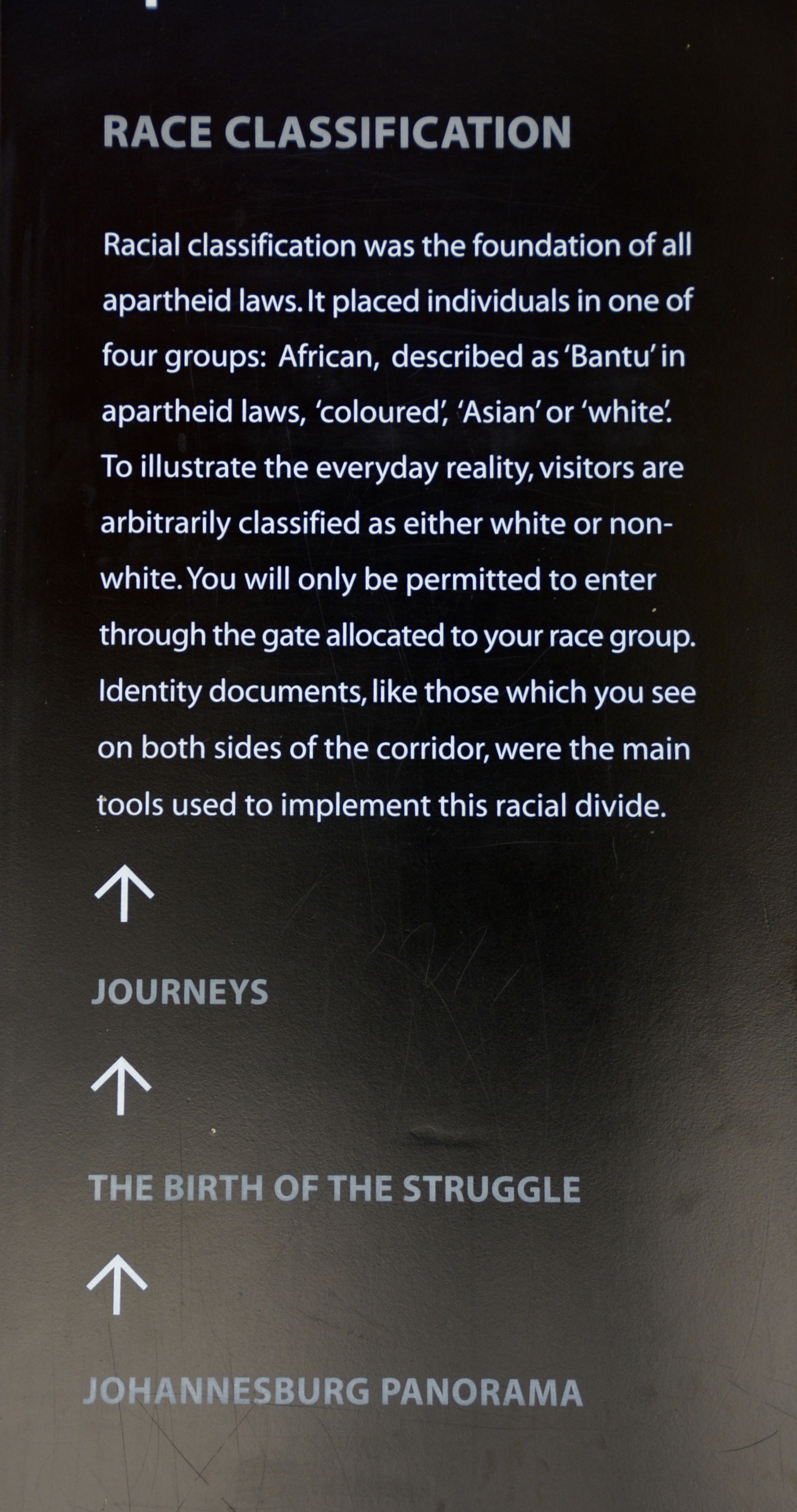
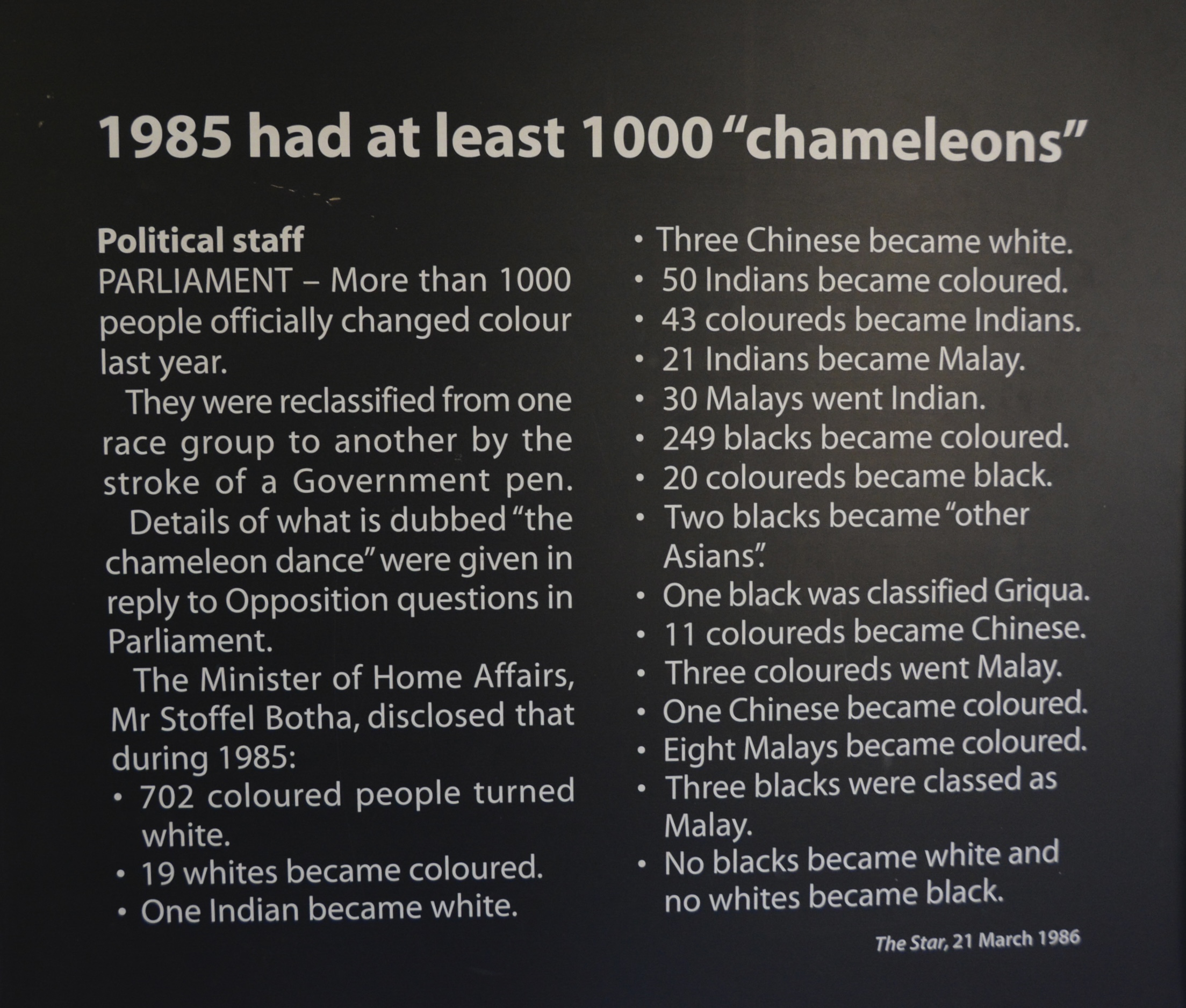
Johannesburg provides a window into South Africa's modern history, where stories of struggle, resilience, and transformation continue to shape the nation.


Within the Apartheid Museum, personal stories, photographs, and historical records reveal South Africa's journey from division toward democracy.
Tales from this journey

Meeting the Avocas
There were signs of them around our camp. Footprints, scat, roars at night. We knew they were here – this was their territory – but we had not had a chance to see them… yet.
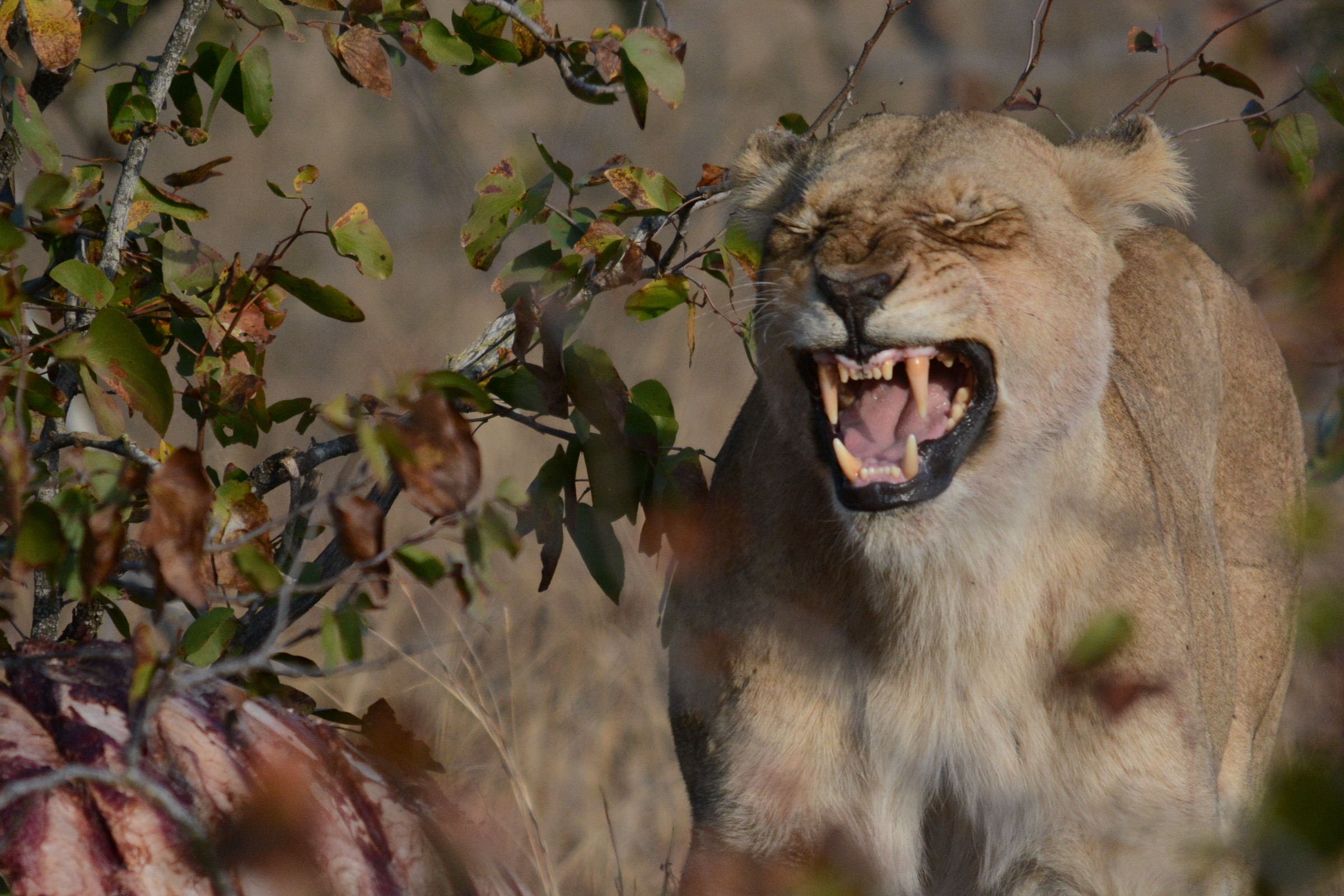
A night drive changed everything. Because it was winter in South Africa, the temperature dropped quickly as dusk settled in — the air turning crisp, the kind of chill that makes you listen a little harder. Our tracker — Sam — had been working to get us this opportunity, and as dusk settled in we finally came upon them. The Land Rover eased past a patch of scrub, and suddenly the shapes in the shadows resolved into lions — all the females and young, stretching and yawning as they woke. Their jaws opened impossibly wide, exposing every tooth in a display that looked ferocious but wasn’t. It was simply how lions greet the night.
We were entranced.
They seemed unimpressed with us.

Selfie with a Lion
After several days in the Timbavati we were relaxing in the lodge chatting with one of the guides (Rolfe). After creating amazing memories in just a short time we asked what stood out for him after being a guide for fifteen years. He immediately said “the time a tourist hopped out of the rover to take a selfie with a lion in the background”.
We asked him what he did. Rolfe told the story with a dry, matter‑of‑fact calm — the same tone he might use to describe the weather. He said he grabbed his rifle and cocked it, a simple action delivered as if it were the obvious choice any normal person would make. That was enough to scare the tourist, who jumped back into the rover immediately.
We asked him what he would have done. He calmly said:
“Shoot the tourist. Can’t blame a lion for being a lion.”
We felt he meant it in his bones — not out of cruelty, but out of respect for the lion. We weren’t entirely sure he would have actually done it, but it seemed entirely possible that he would.
Related Photo Essays



Related Journeys - coming soon

Indonesia - our cousins and ancient temples
From the jungles of Borneo and Sumatra to ancient temples

Galapagos - not just Tortoises
On Darwin's trail we meet the tortoises as well as other creatures great and small

Brazil - primal jungle, pristine beaches
Deep in the jungle we encounter jaguars before crossing the country to stand in awe before the falls and enjoy the beaches.