
Big Cats
The bi-eyed lioness of the Avoca Pride has anchored many of our most memorable encounters with wildlife. Beginning with her portrait, this essay follows the world's great cats across continents and habitats, exploring the traits, behaviors, and environments that shape their lives as predators.
Cheetah

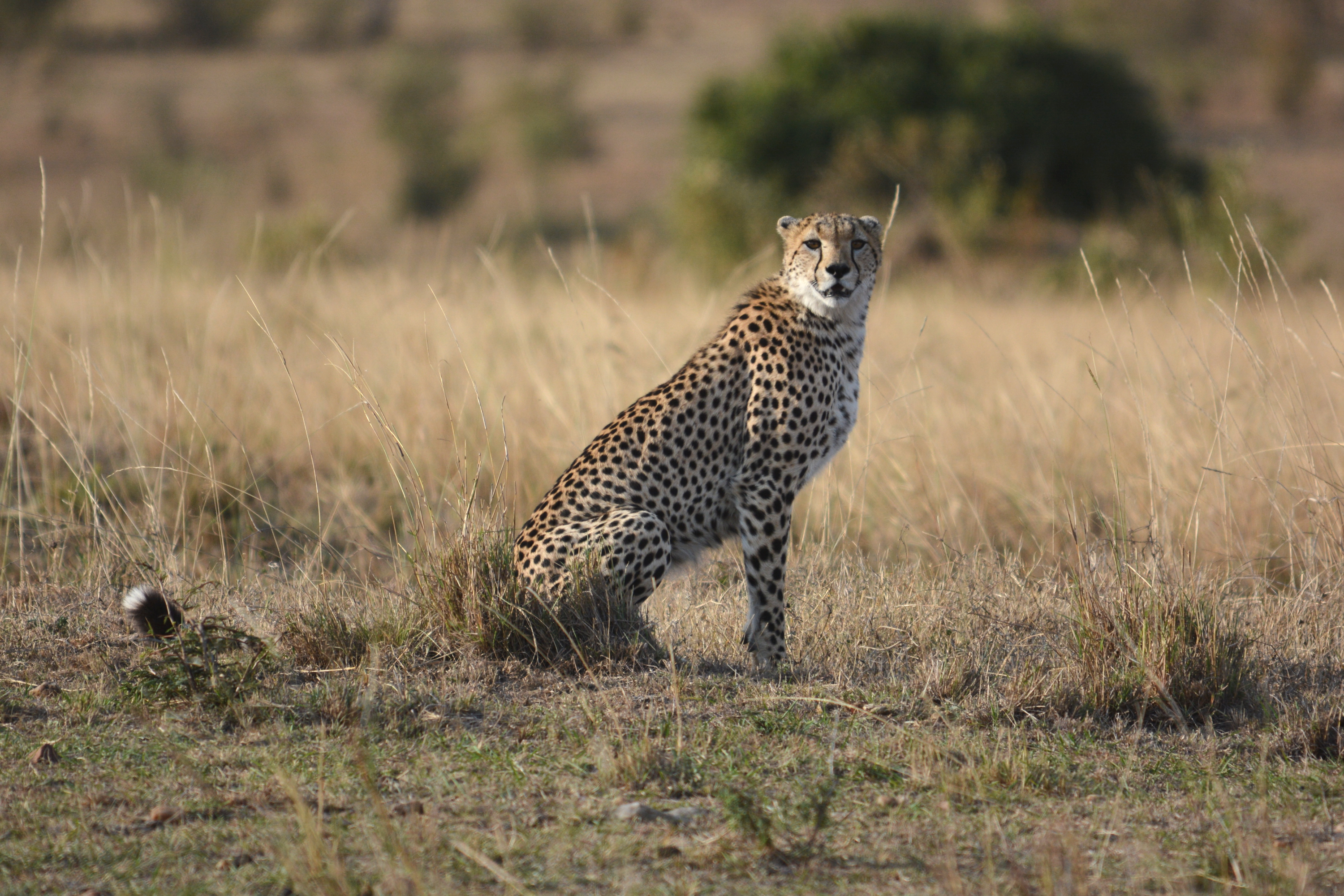
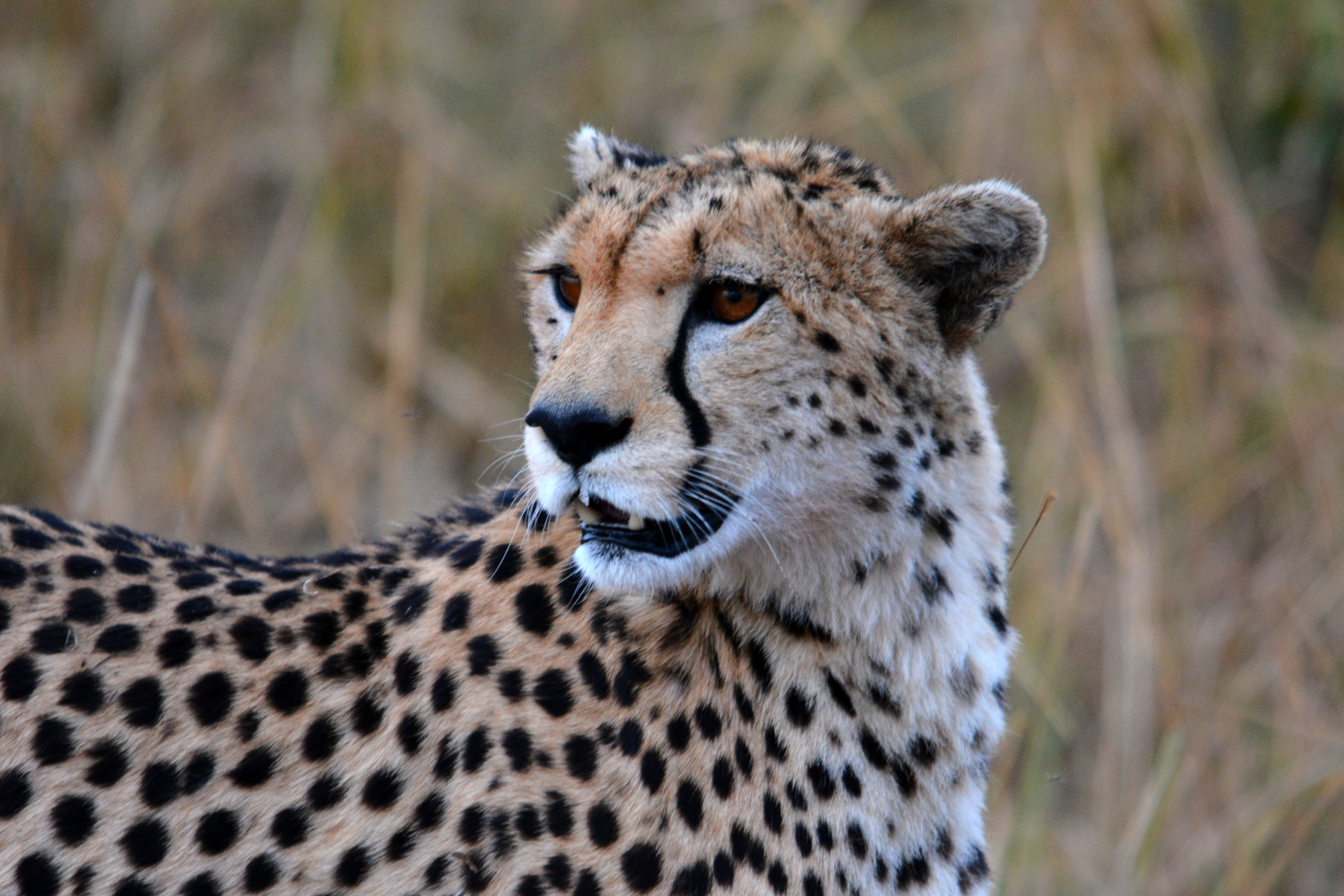
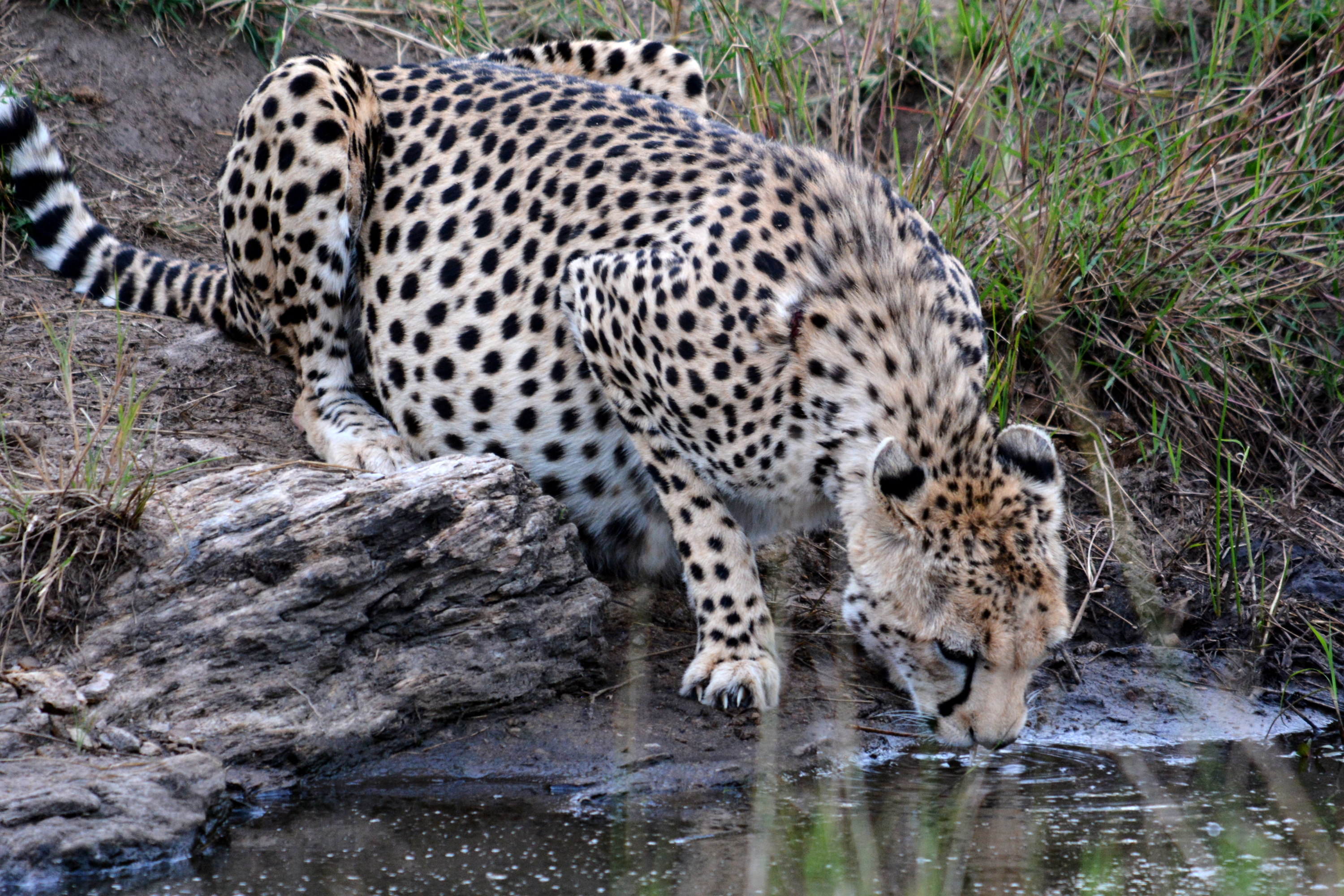
We admire cheetahs for their elegance. There is a combination of alertness and restraint in the way they move through the landscape that makes even the simplest encounter feel special.




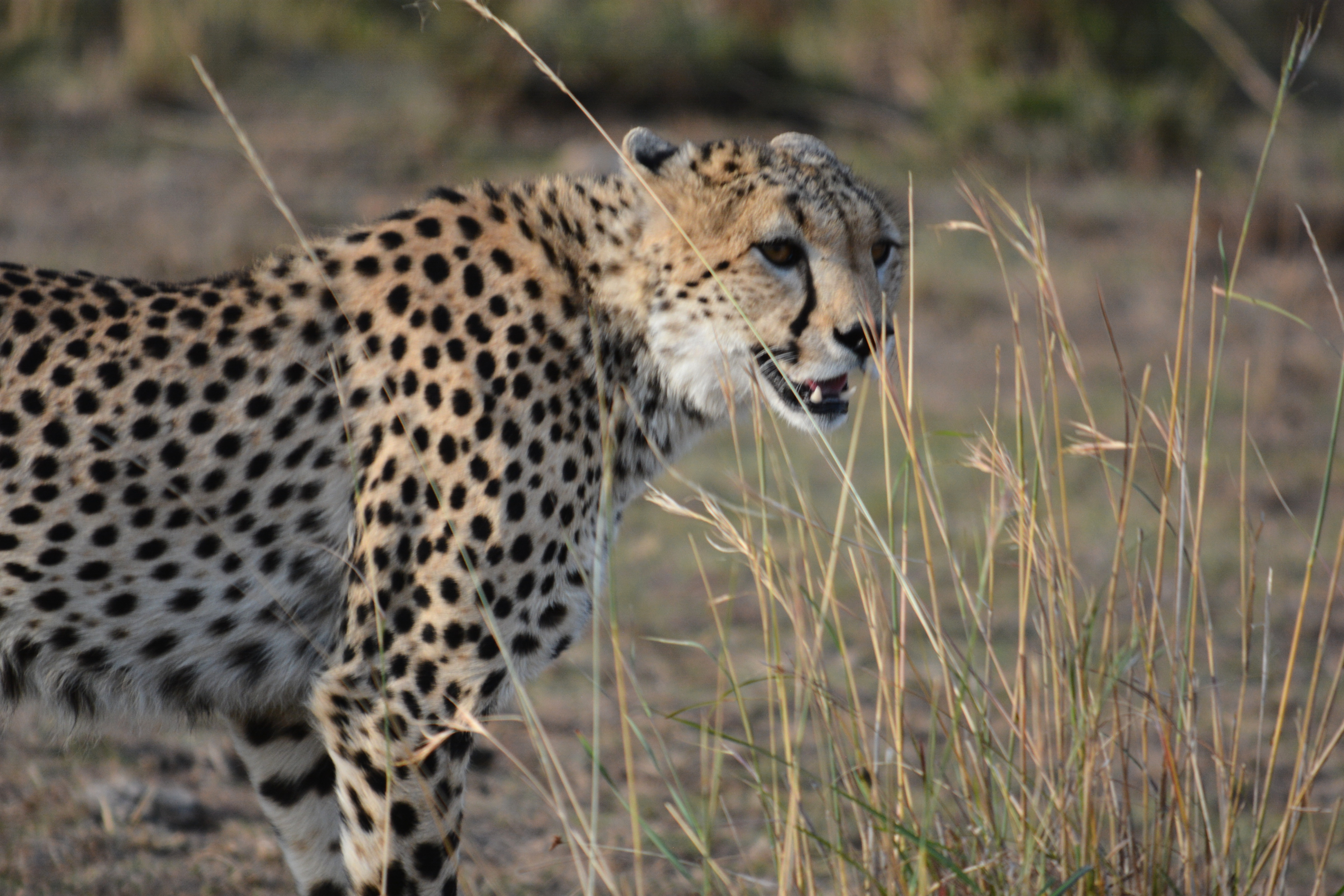
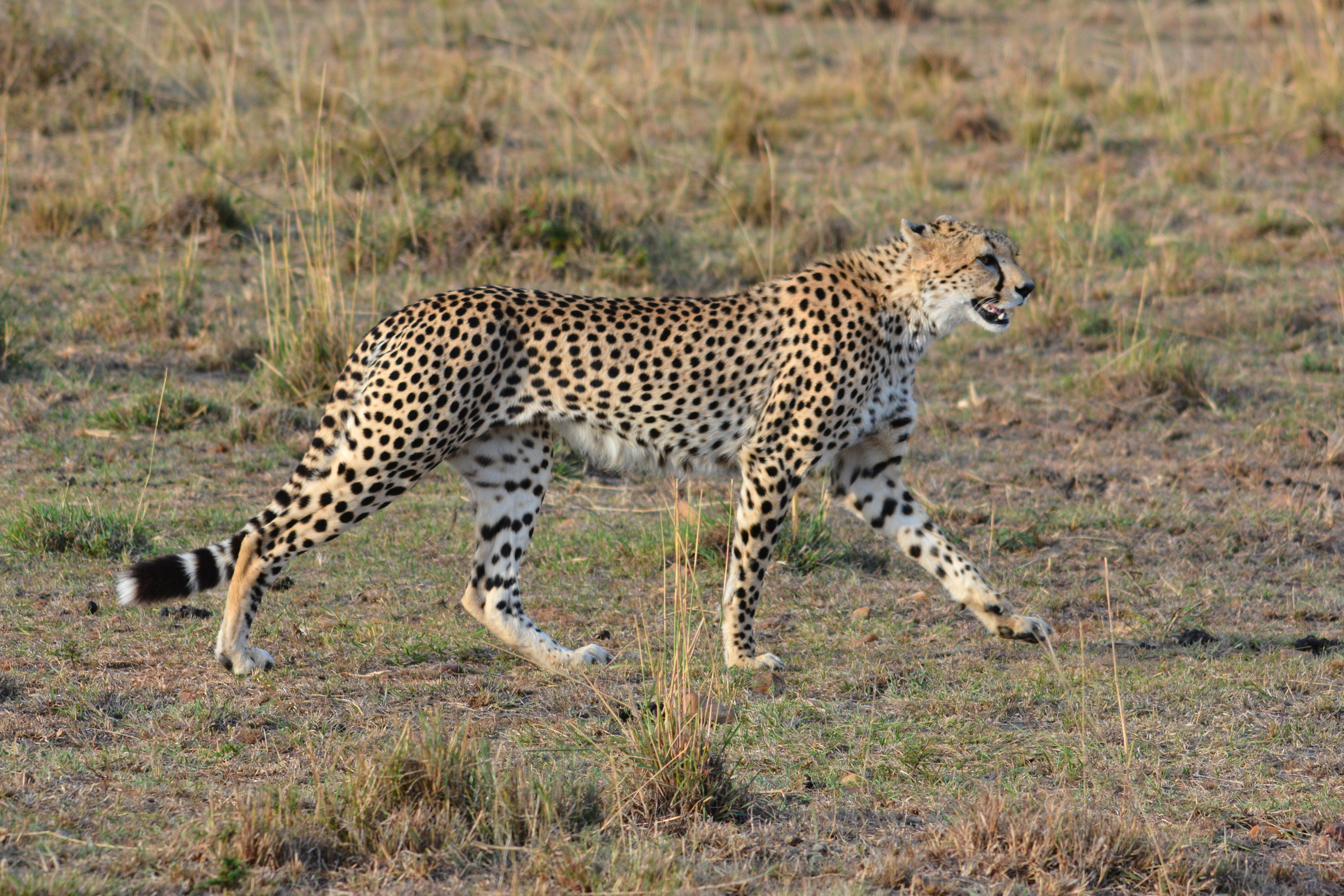
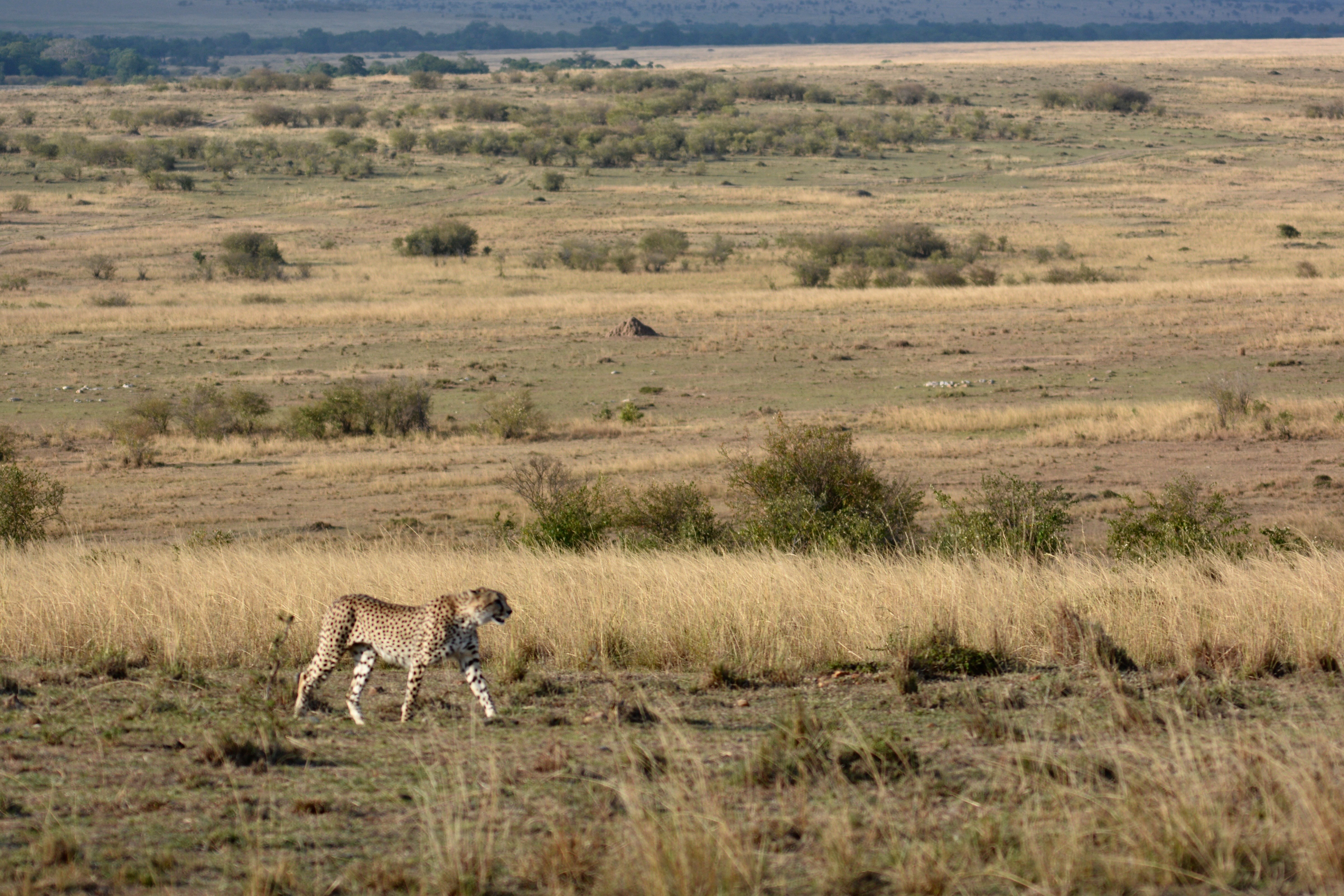
Across open grasslands, moments of watchfulness, movement, and rest reveal the grace, independence, and quiet confidence that draw us back to cheetahs again and again.
Jaguar

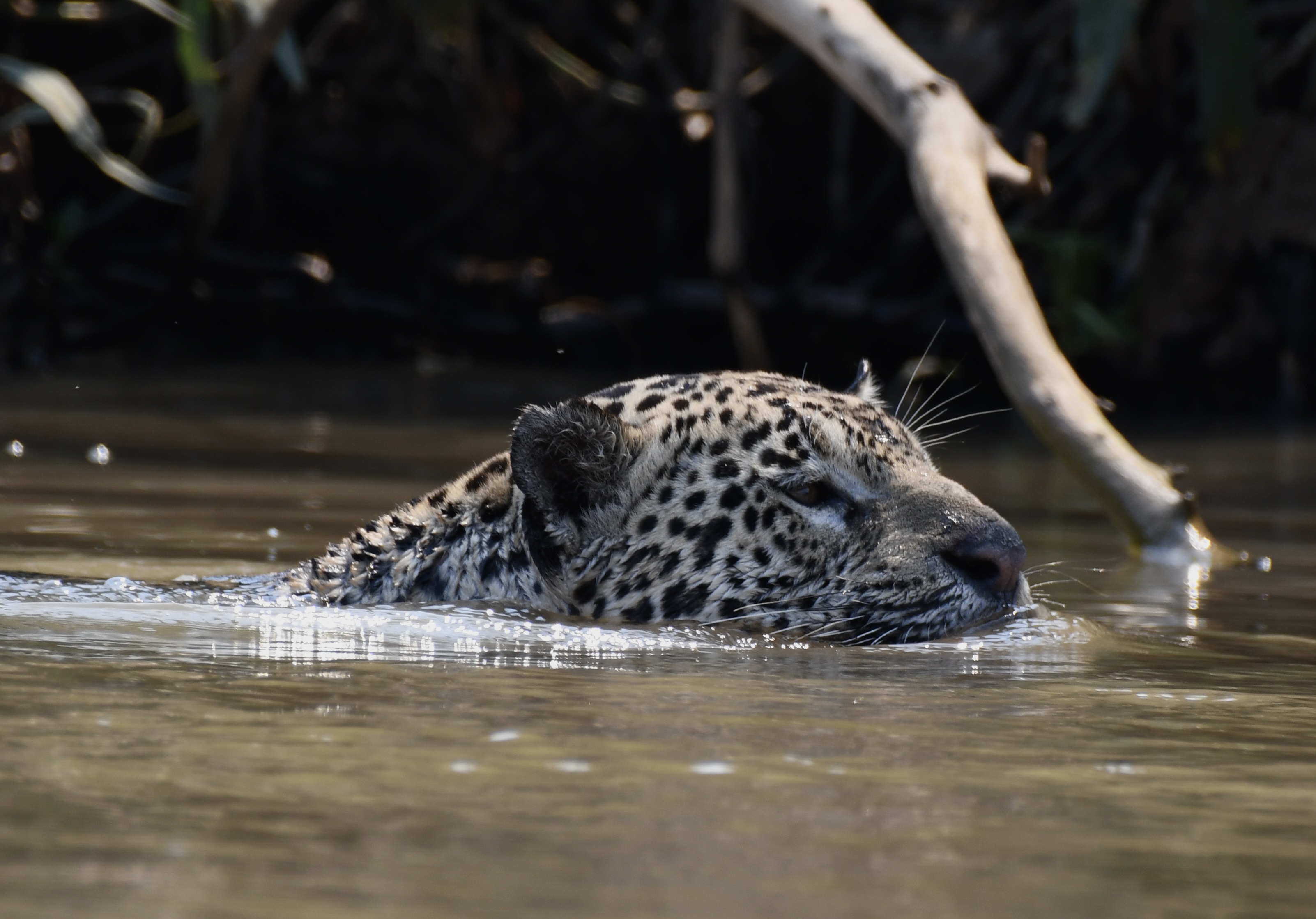
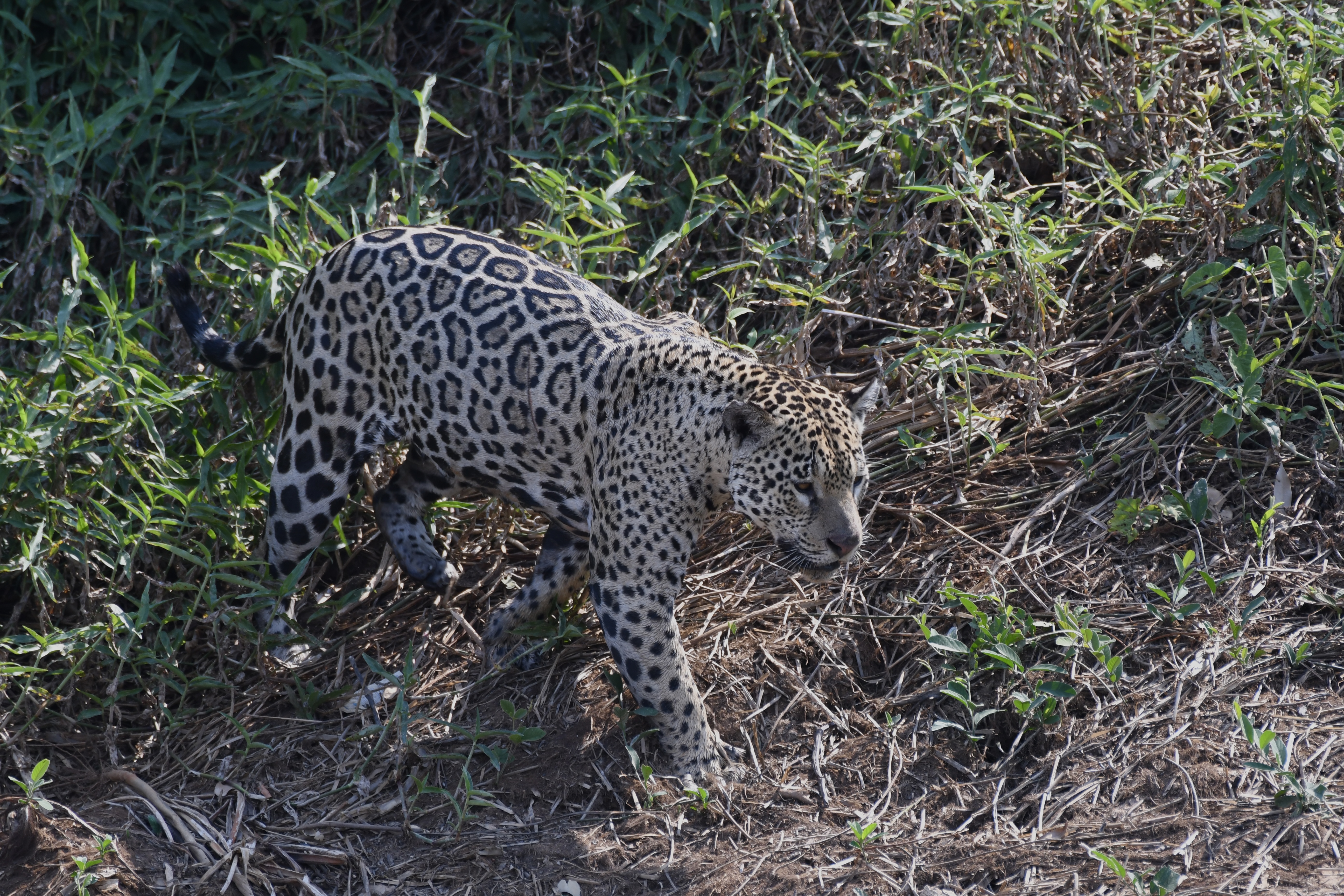
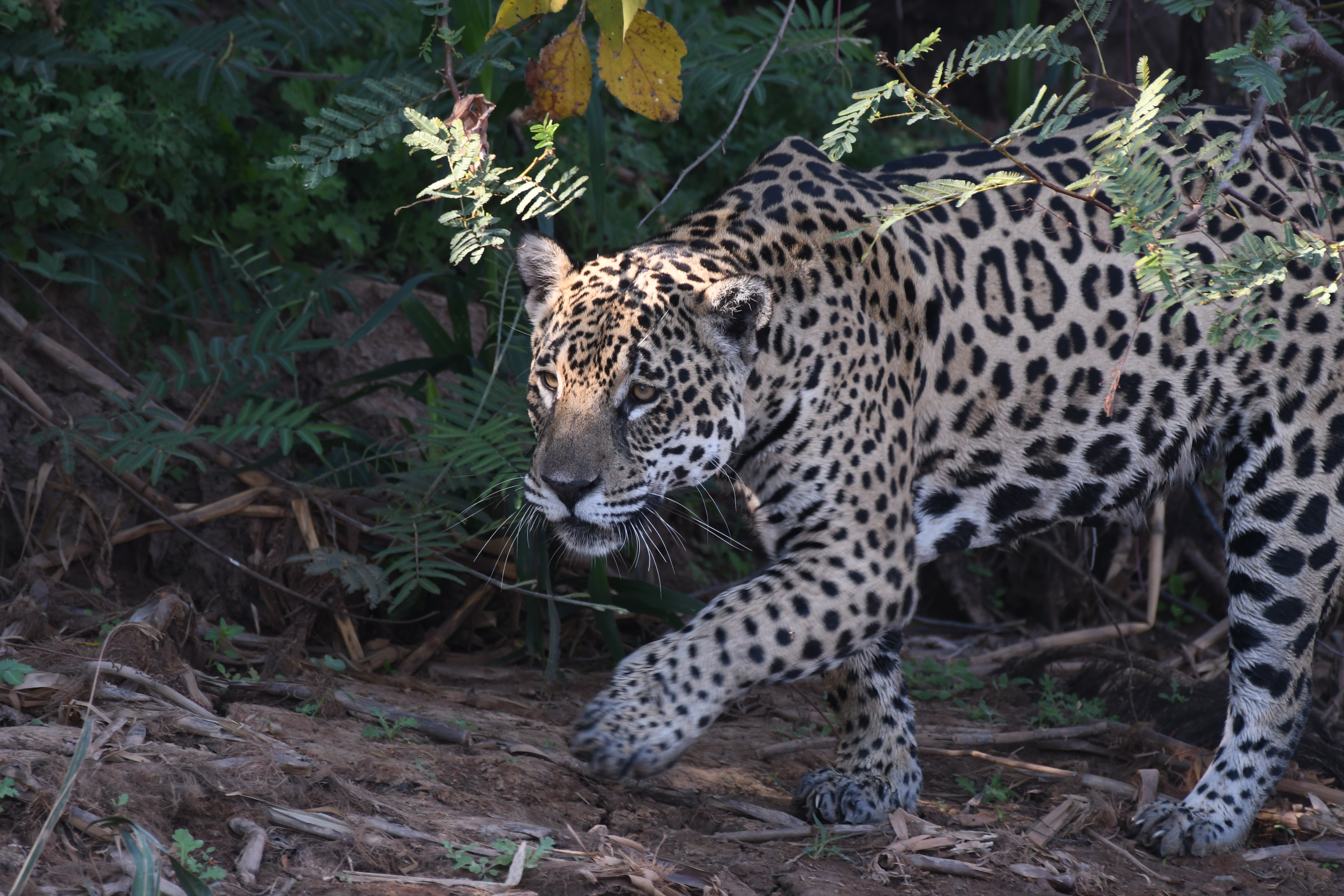
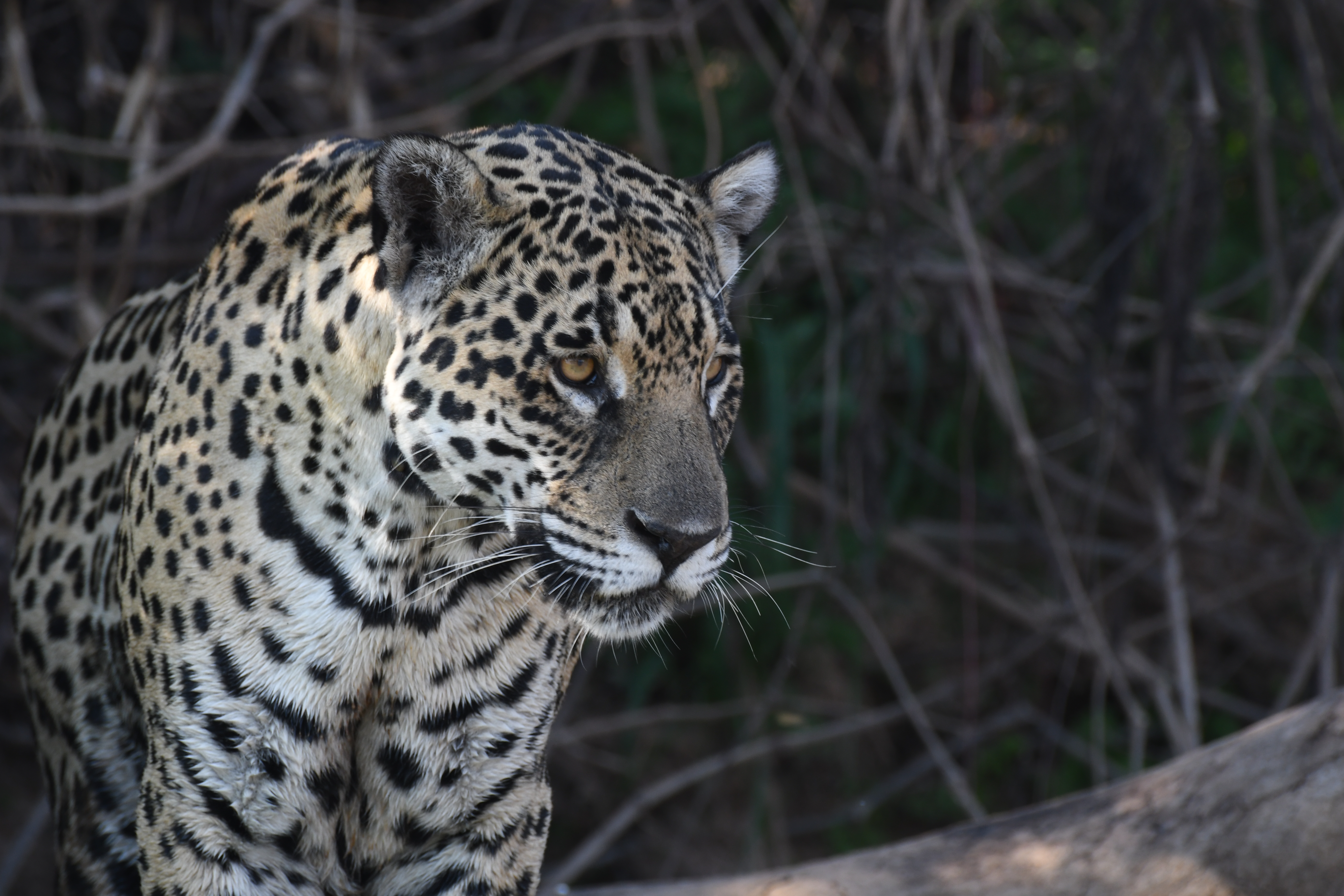
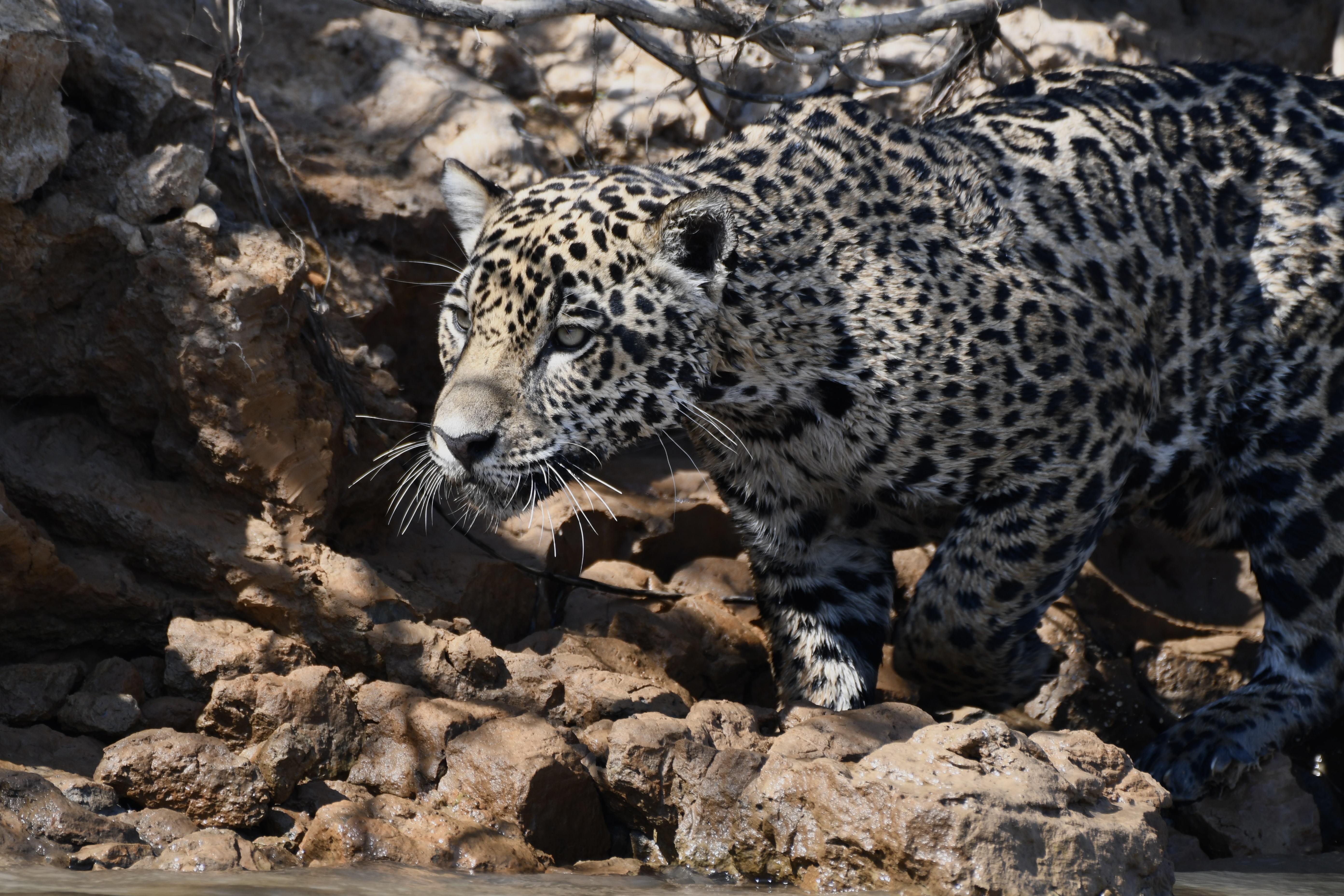
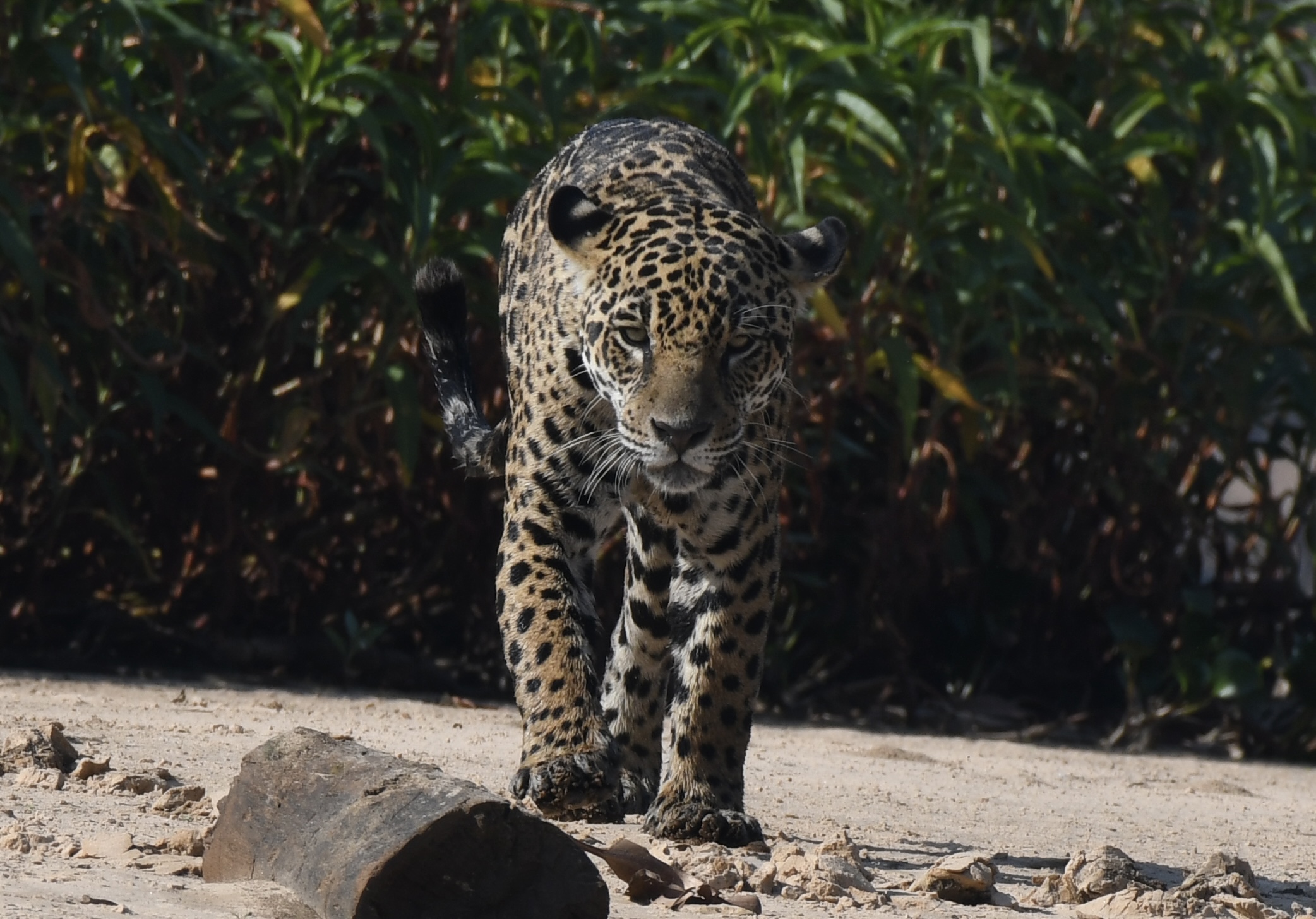
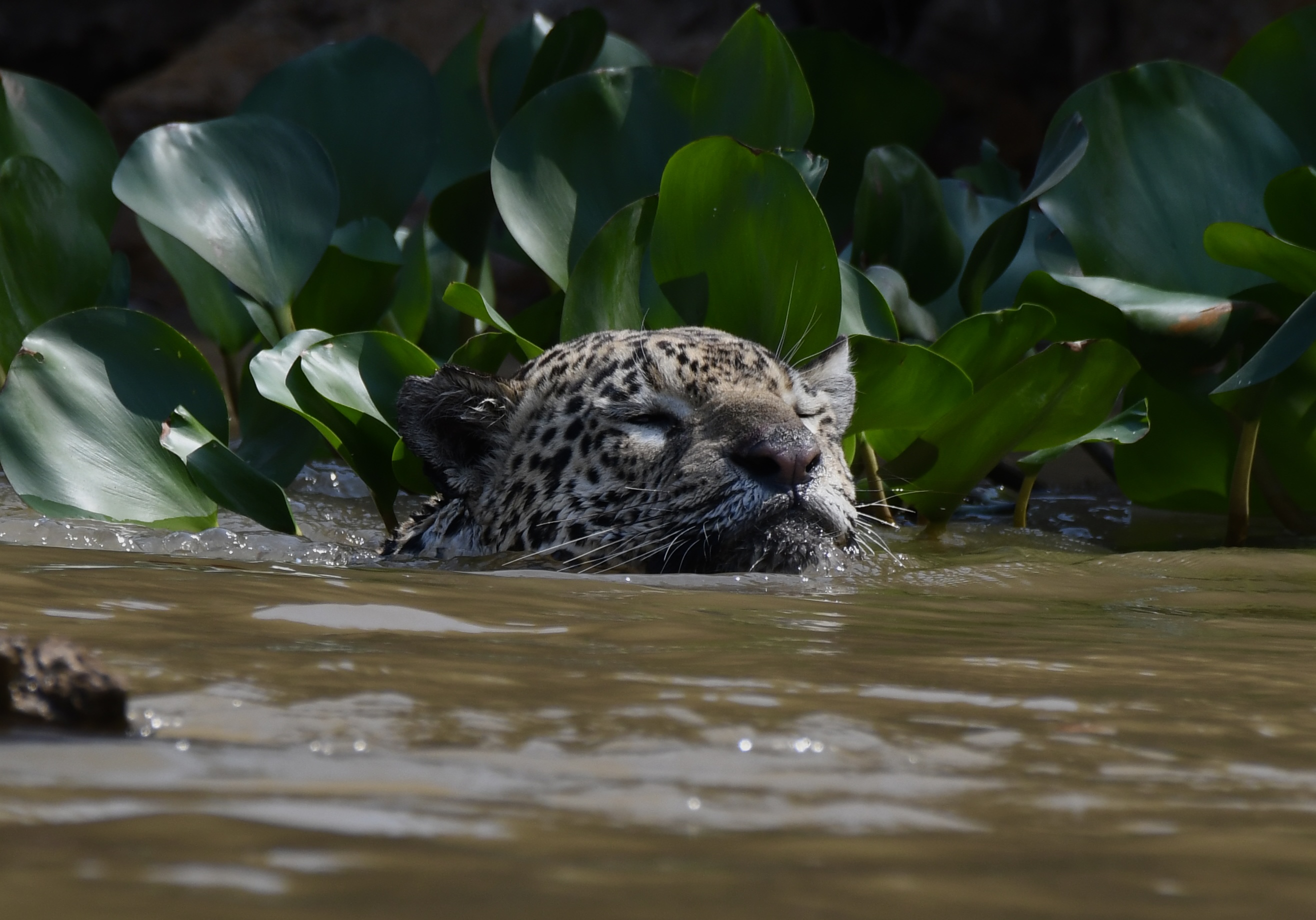
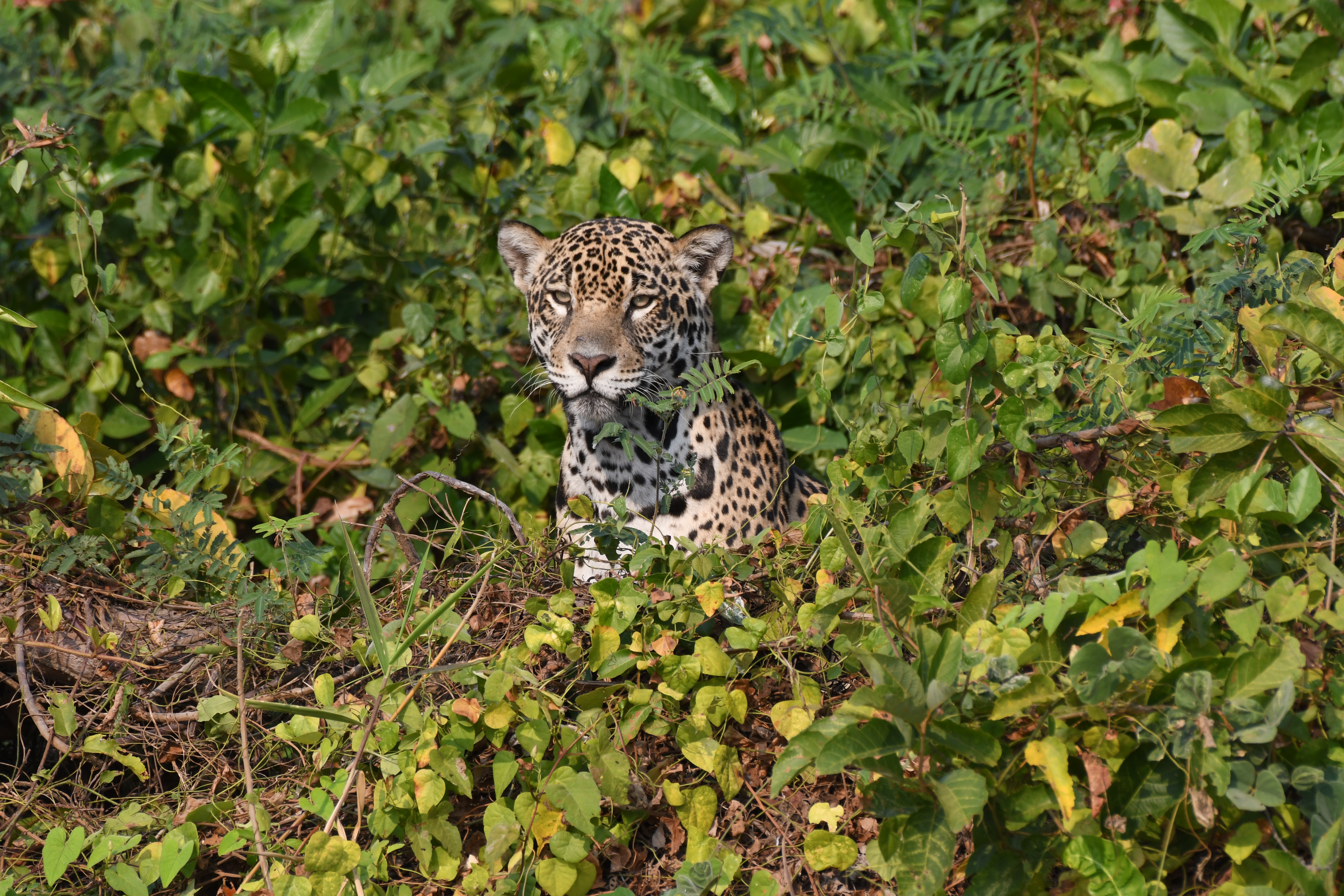
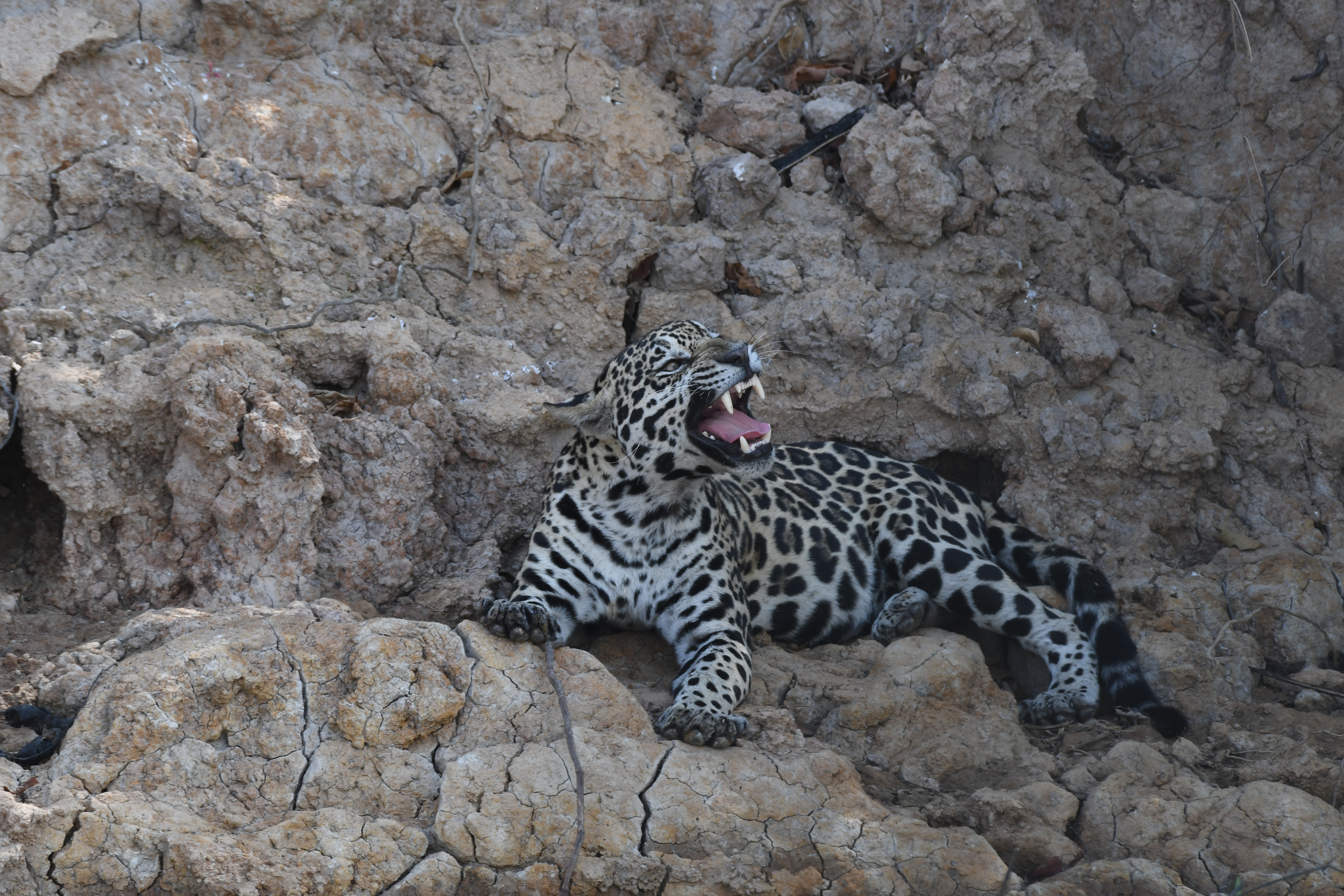
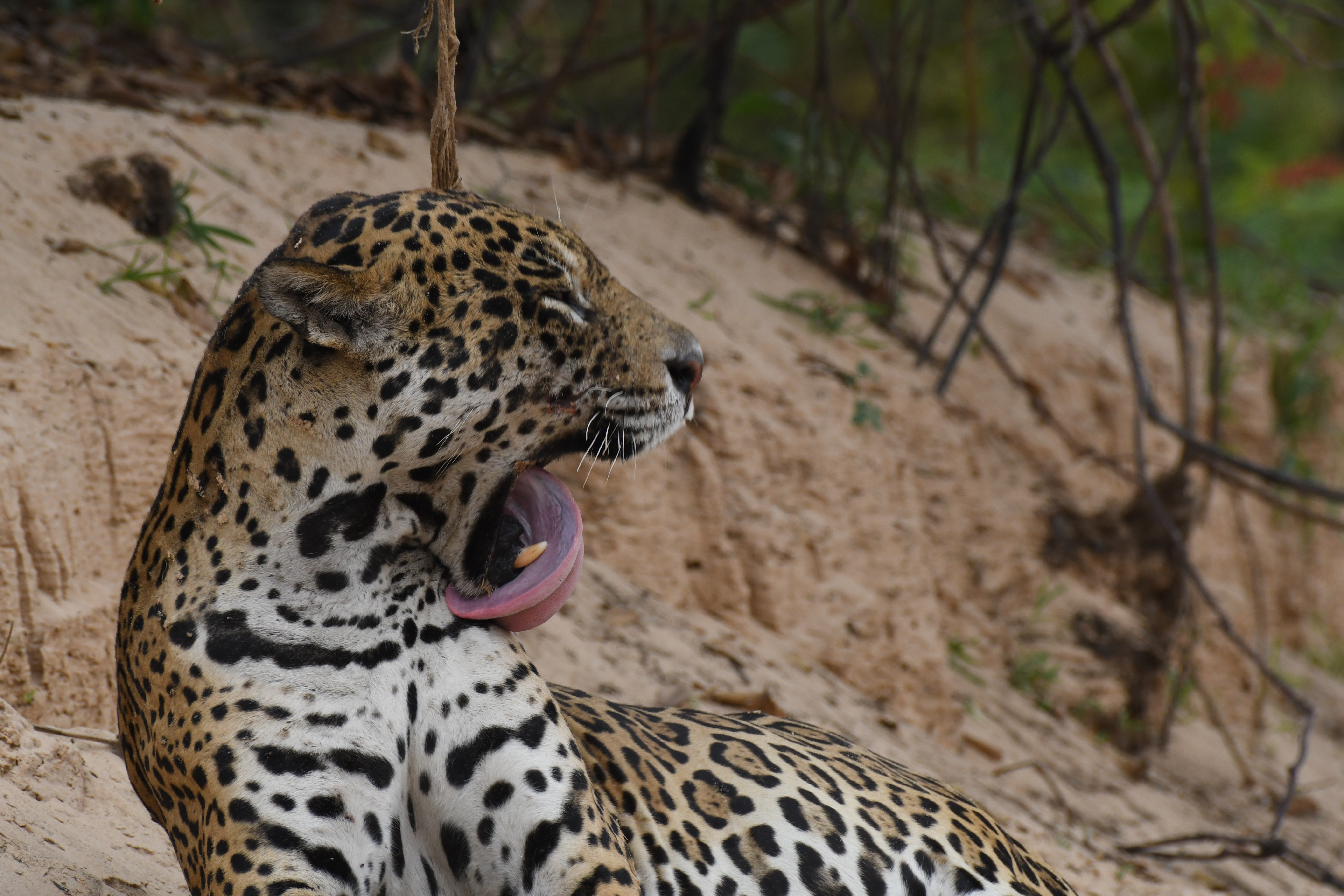
What draws us to jaguars is their self-assurance. They move through the Pantanal as though every river, shoreline, and patch of forest belongs to them, adapting effortlessly to a landscape where land and water are inseparable.


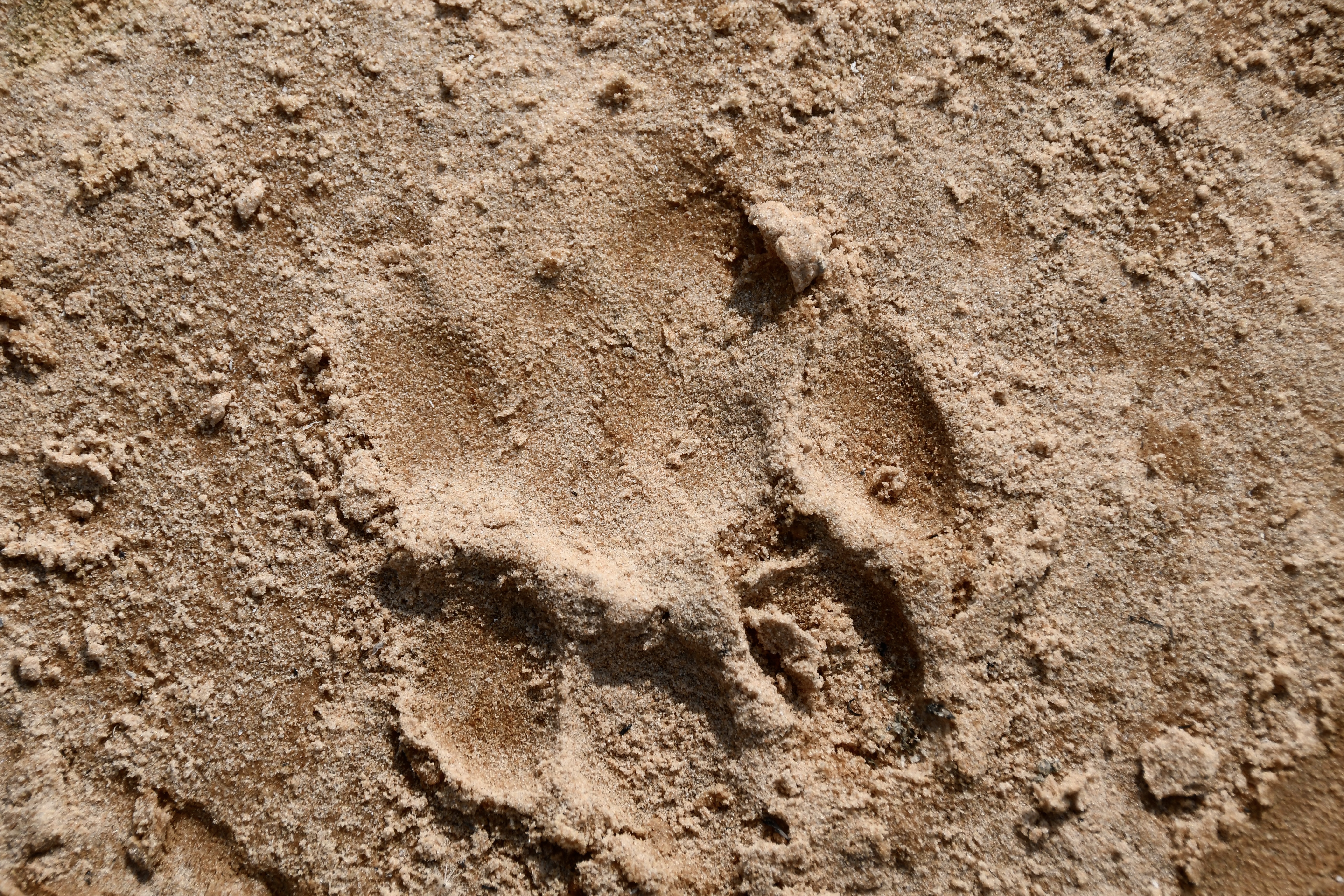
The Pantanal reveals a side of jaguars unlike any other big cat. Riverbanks become pathways, waterways become hunting grounds, and every track, crossing, and quiet appearance hints at a life shaped by water and solitude.
Leopard

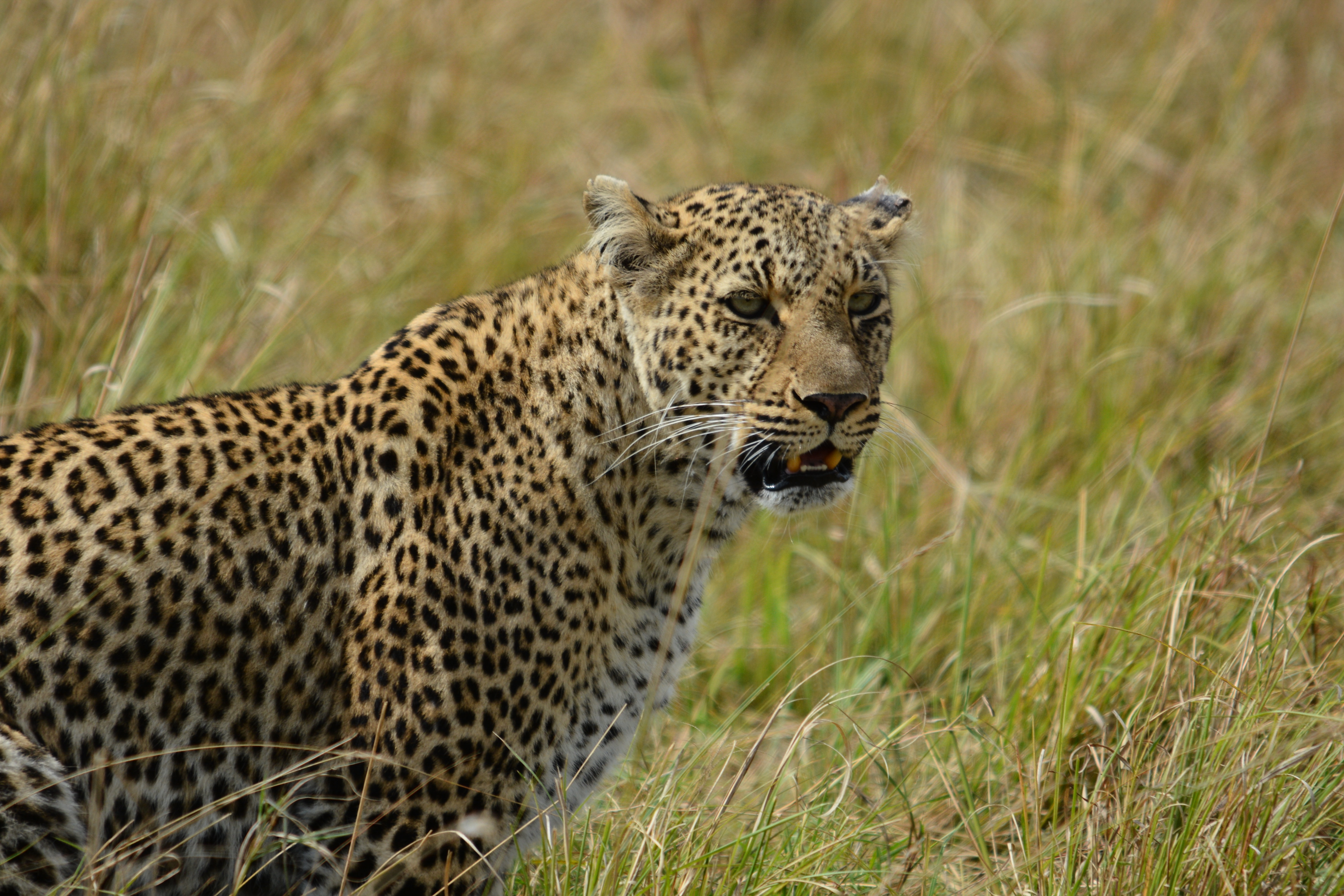
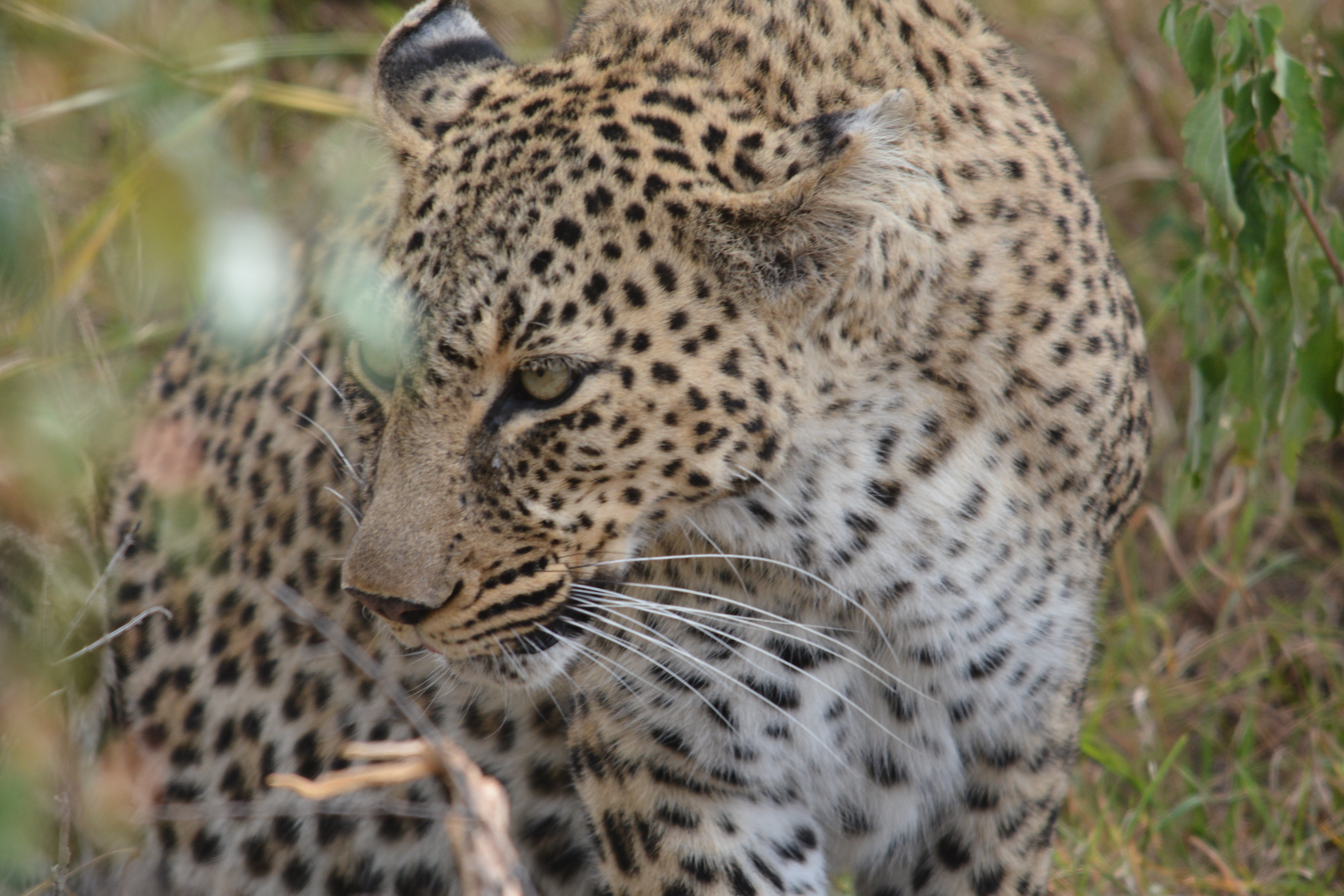
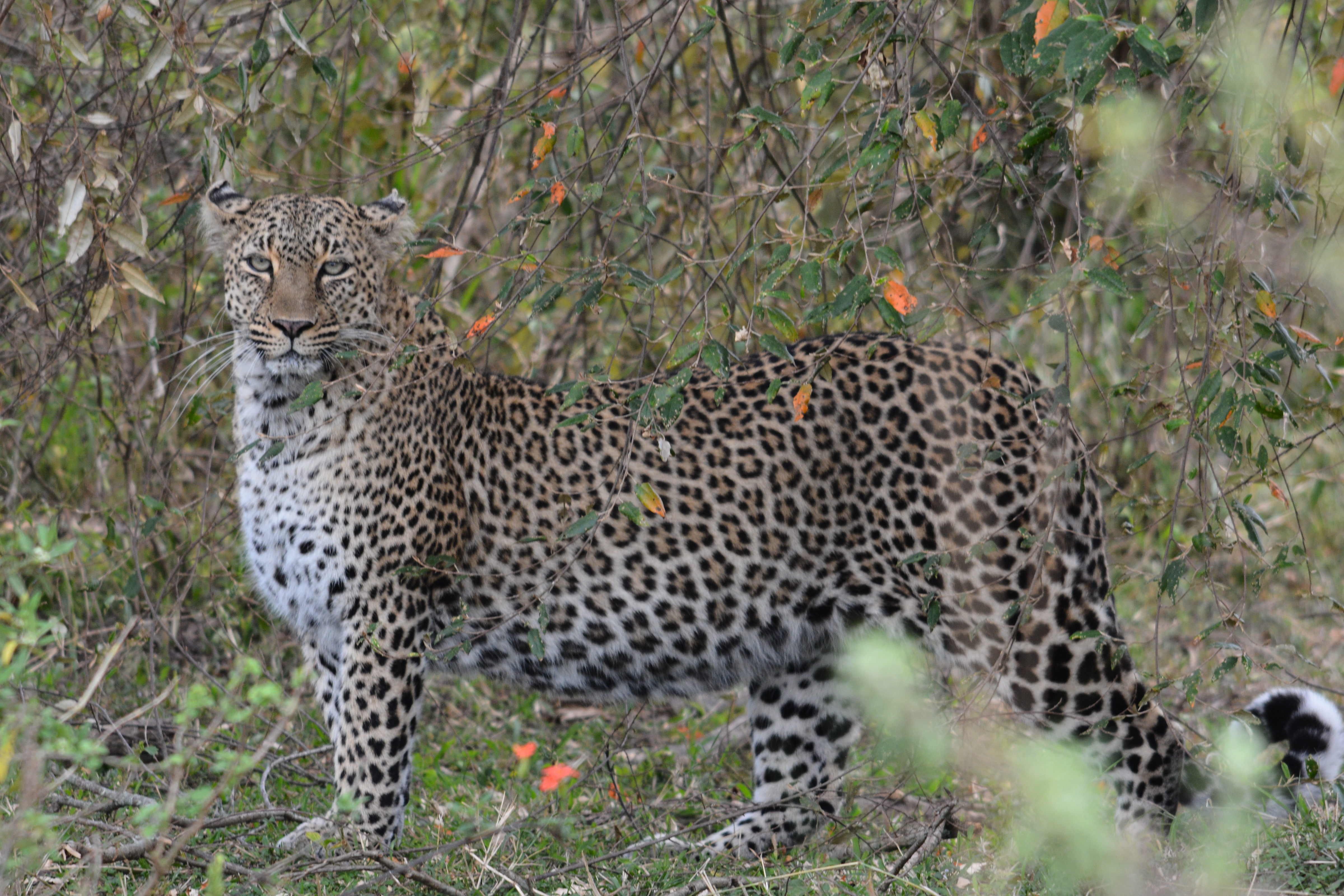
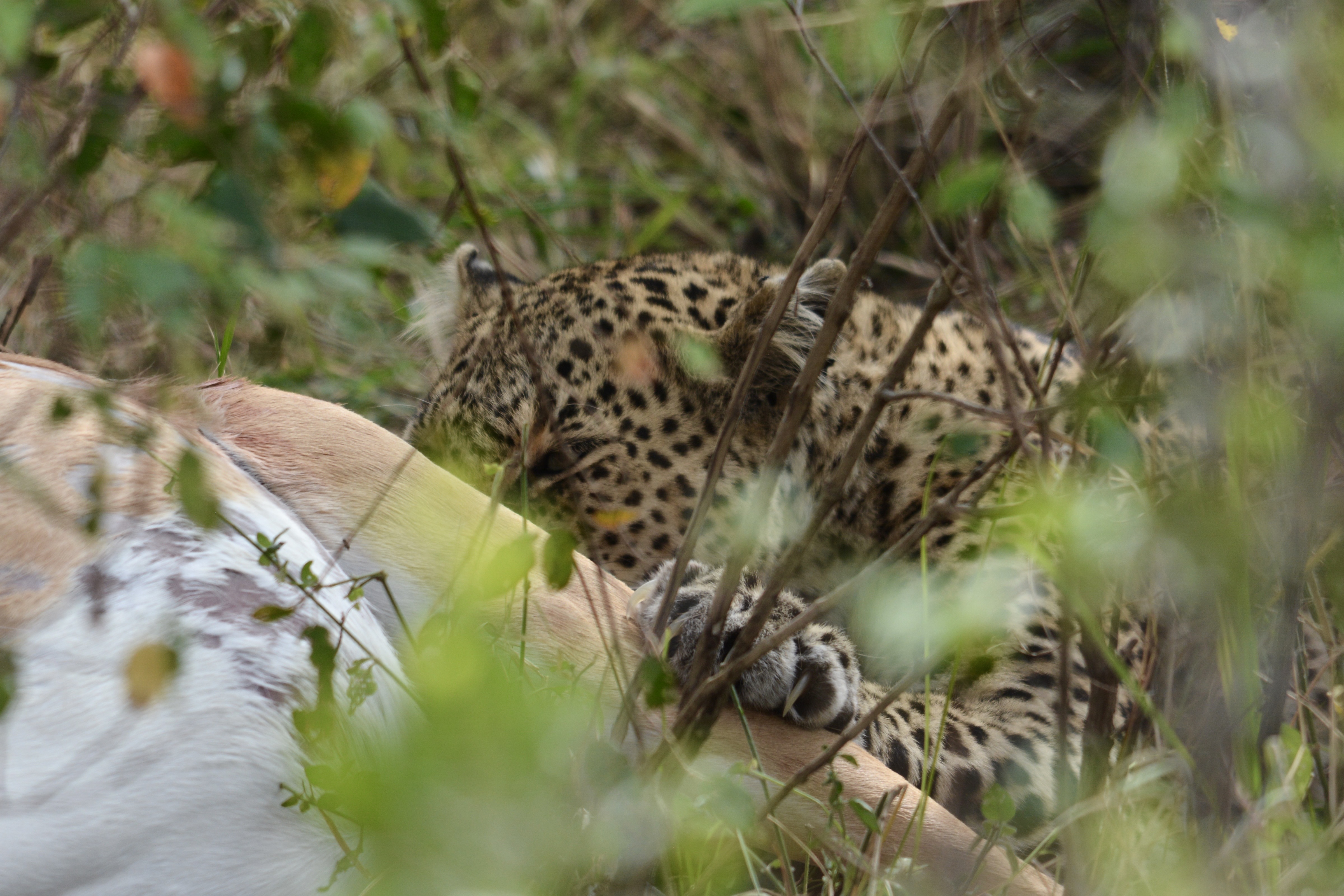
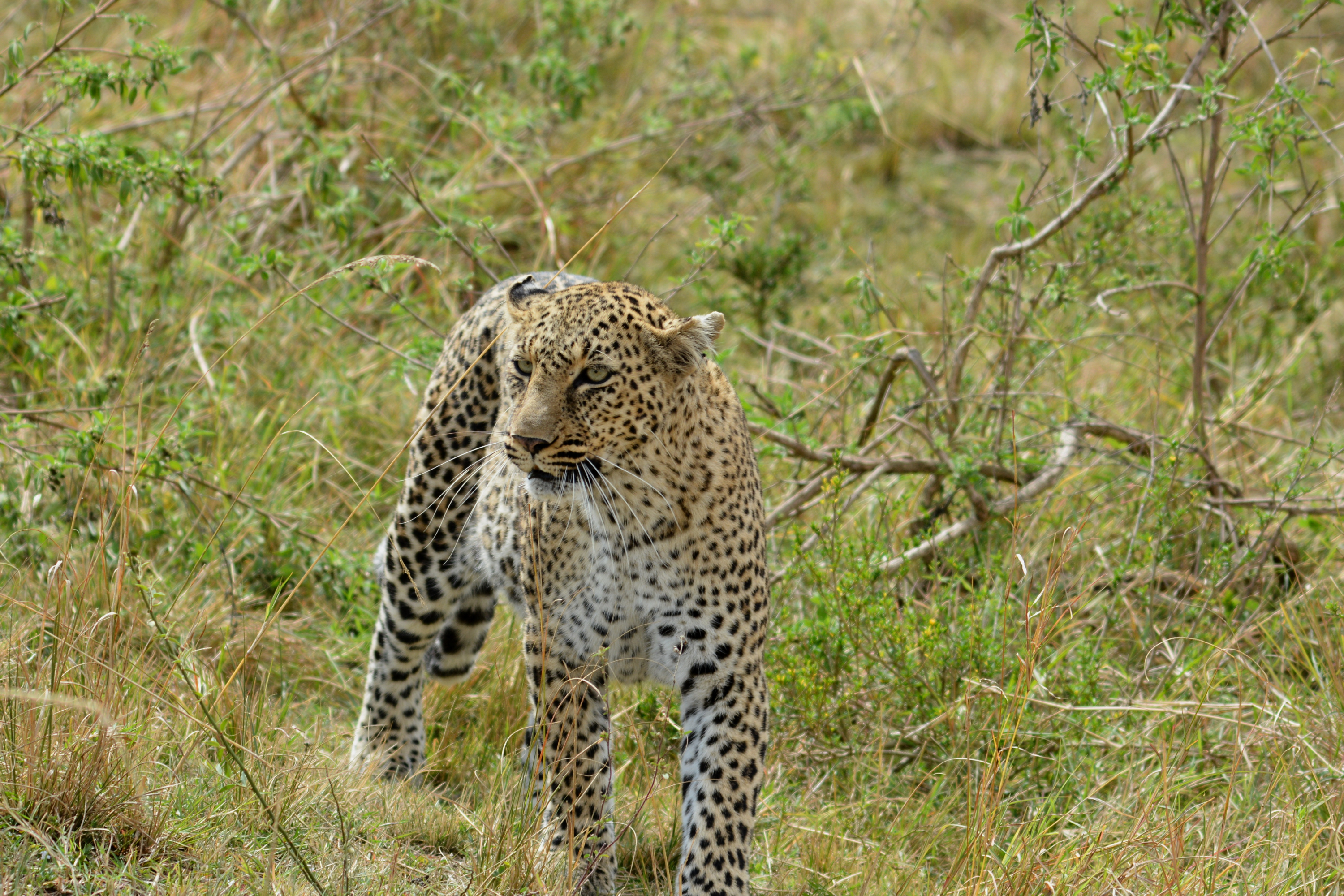
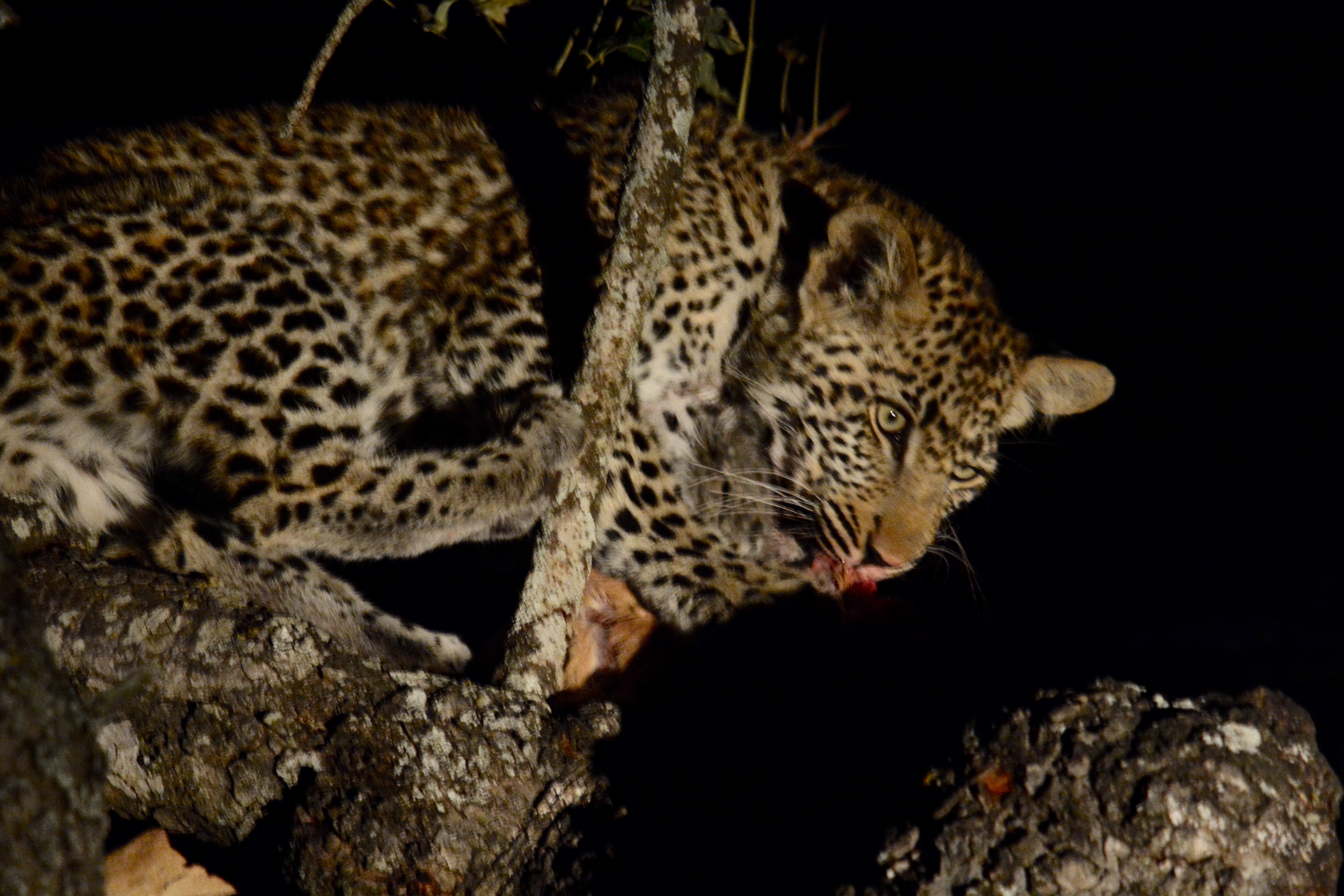
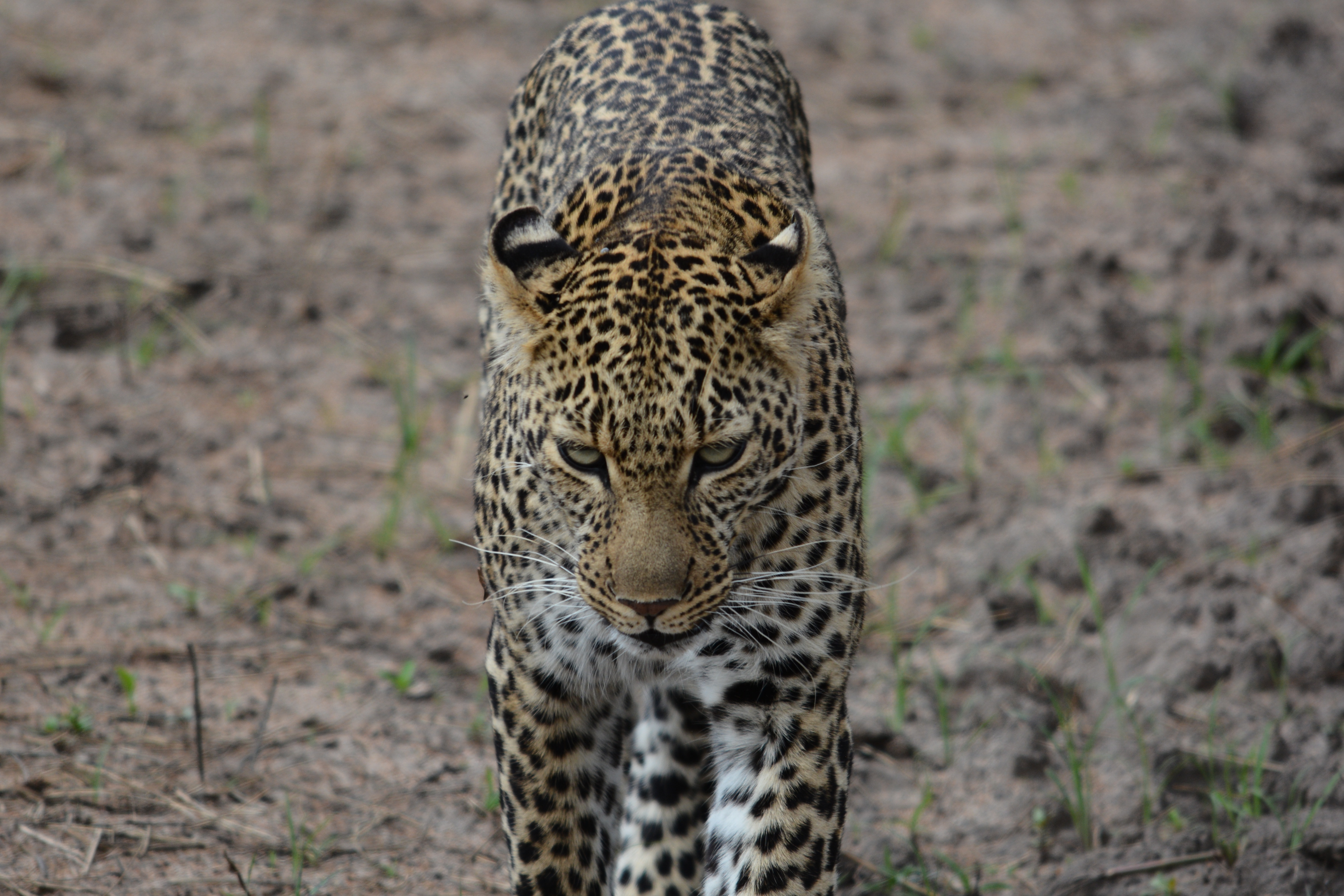
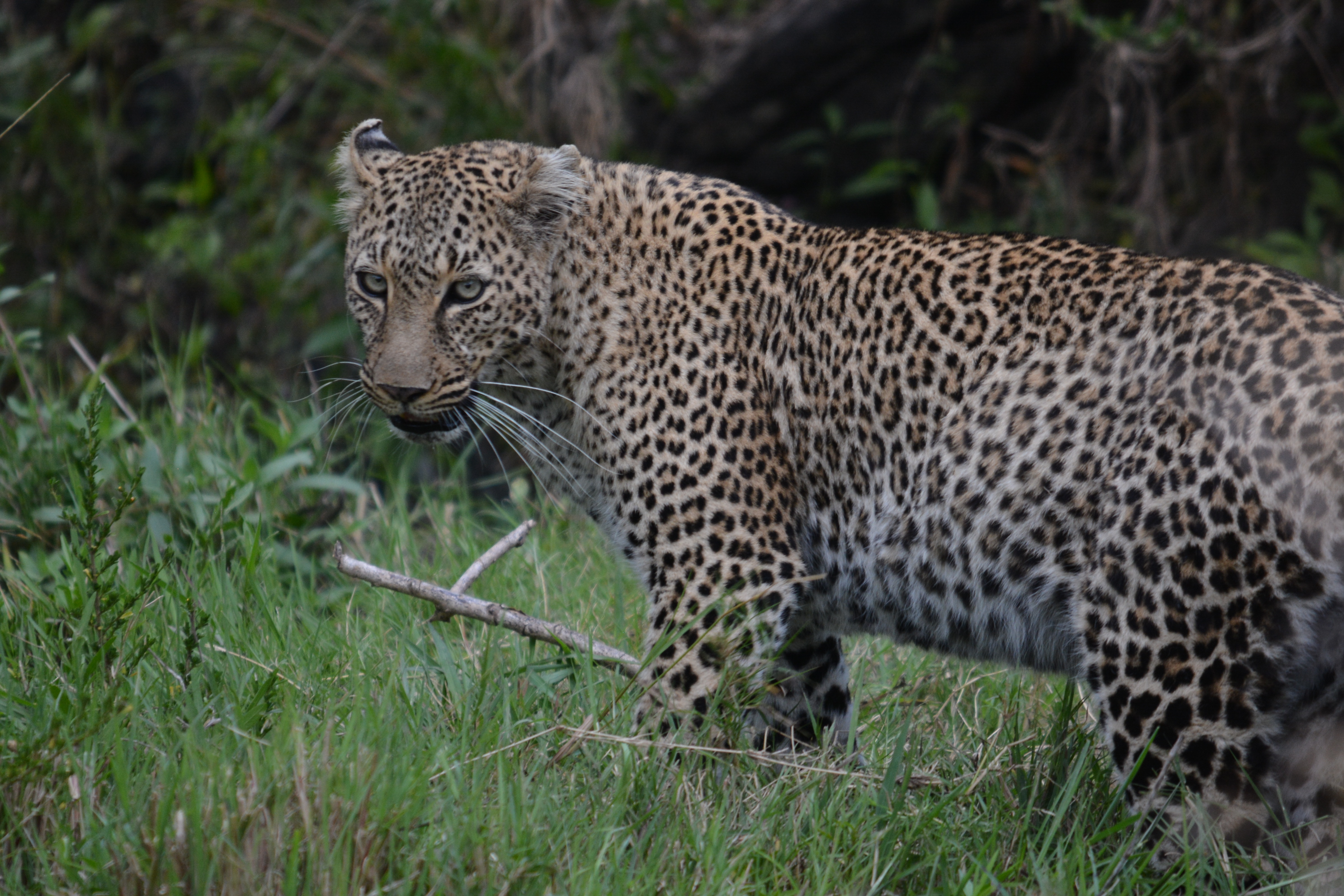
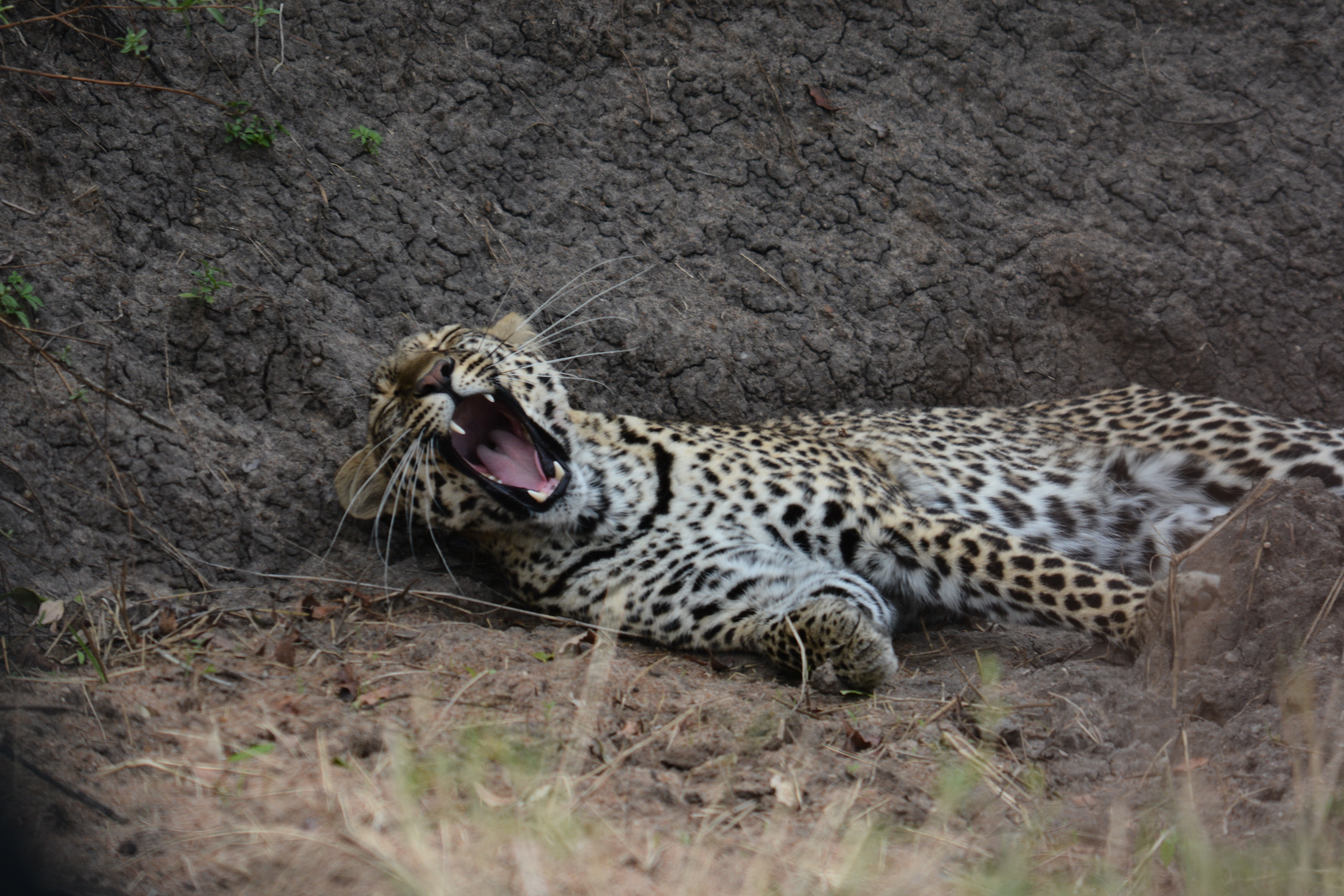
Leopards fascinate us because they can remain hidden in plain sight. Even when they are standing in the open, it often feels as though they are revealing themselves rather than being discovered.


From hidden kills and nighttime meals to quiet movement through dense cover, leopards remind us that some of the wild's most remarkable moments are also the easiest to miss.
Lion

Among the big cats, lions feel the most familiar to us. Their lives are shaped by family, cooperation, rivalry, and responsibility, reflecting relationships that are often as compelling as the animals themselves.


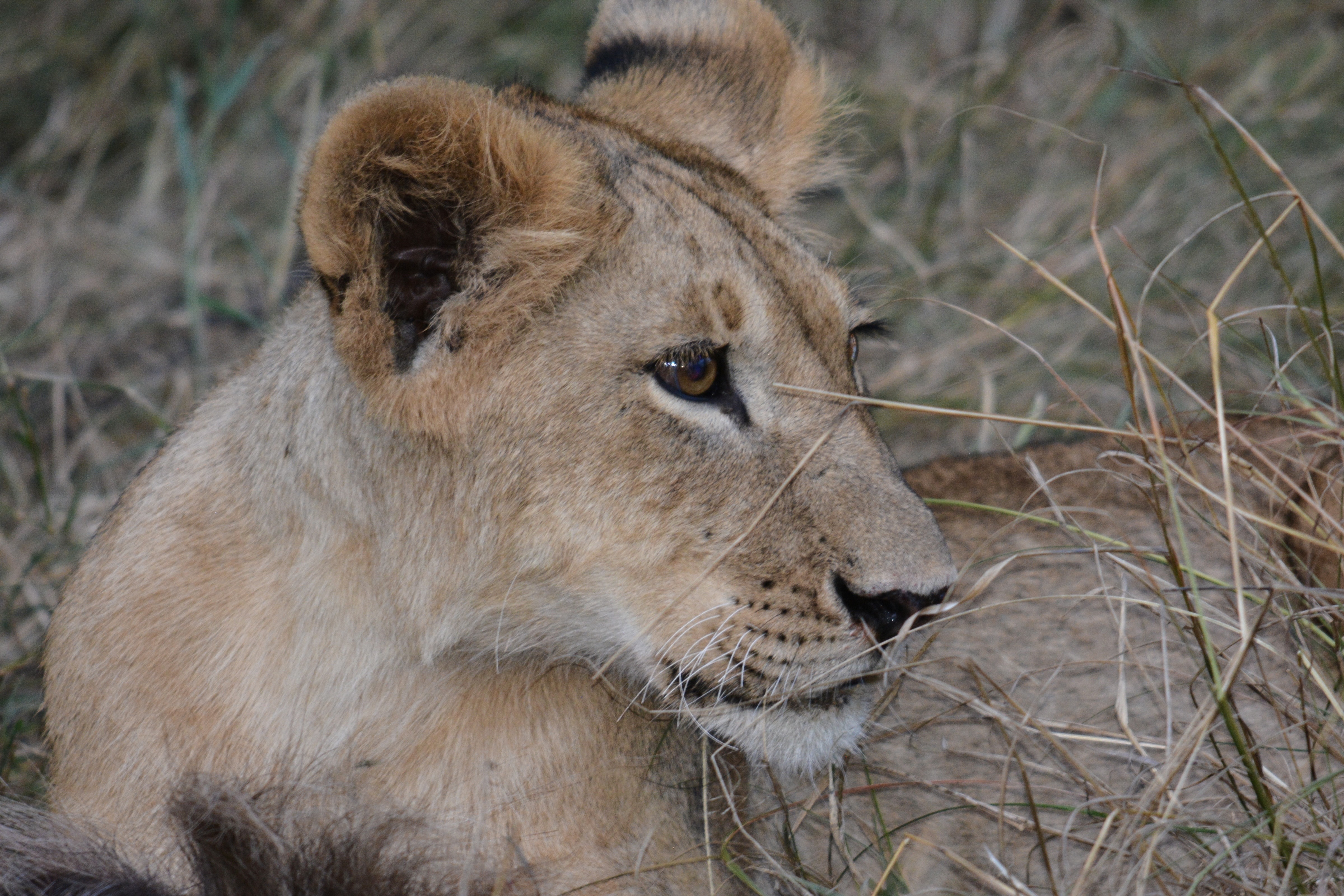
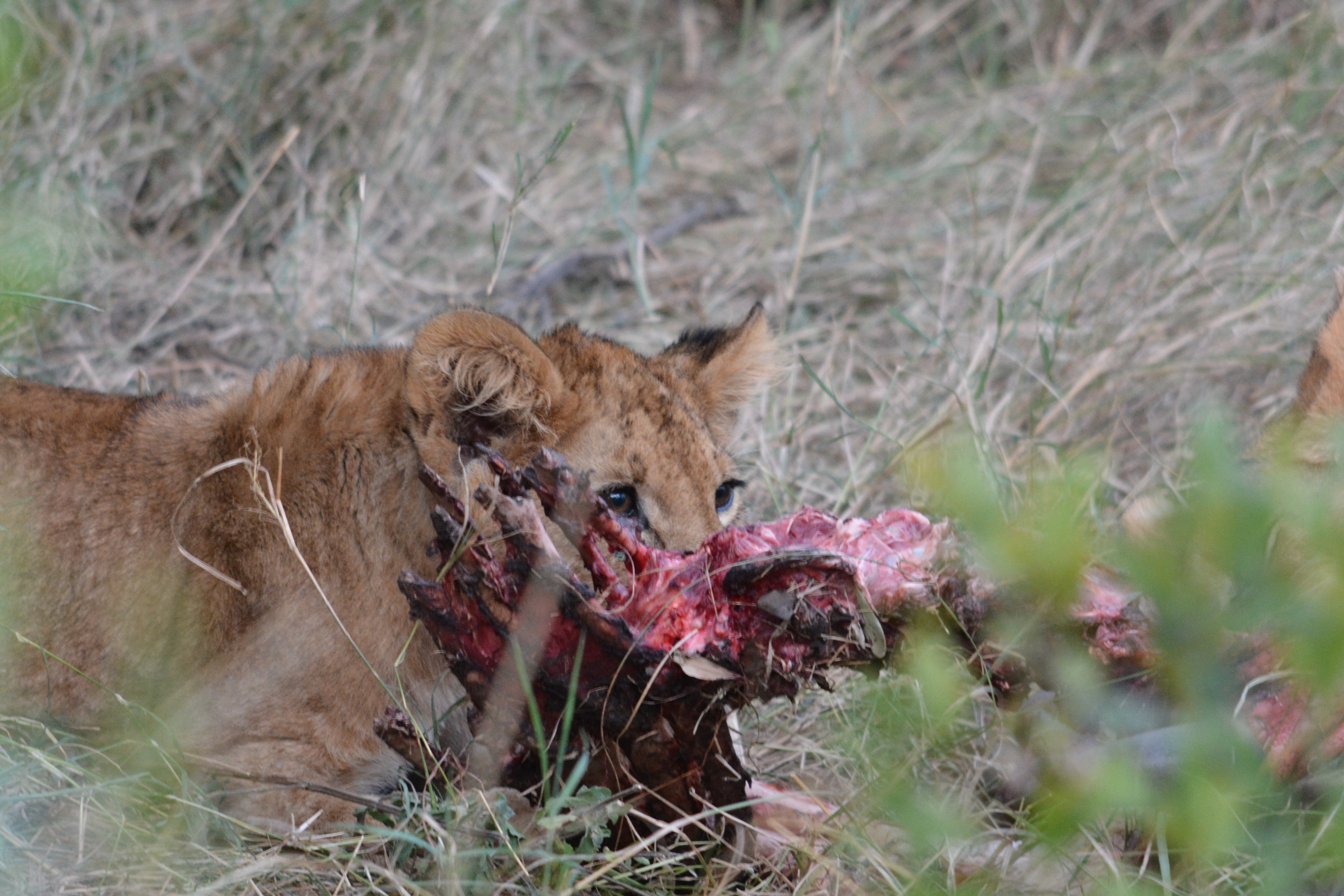
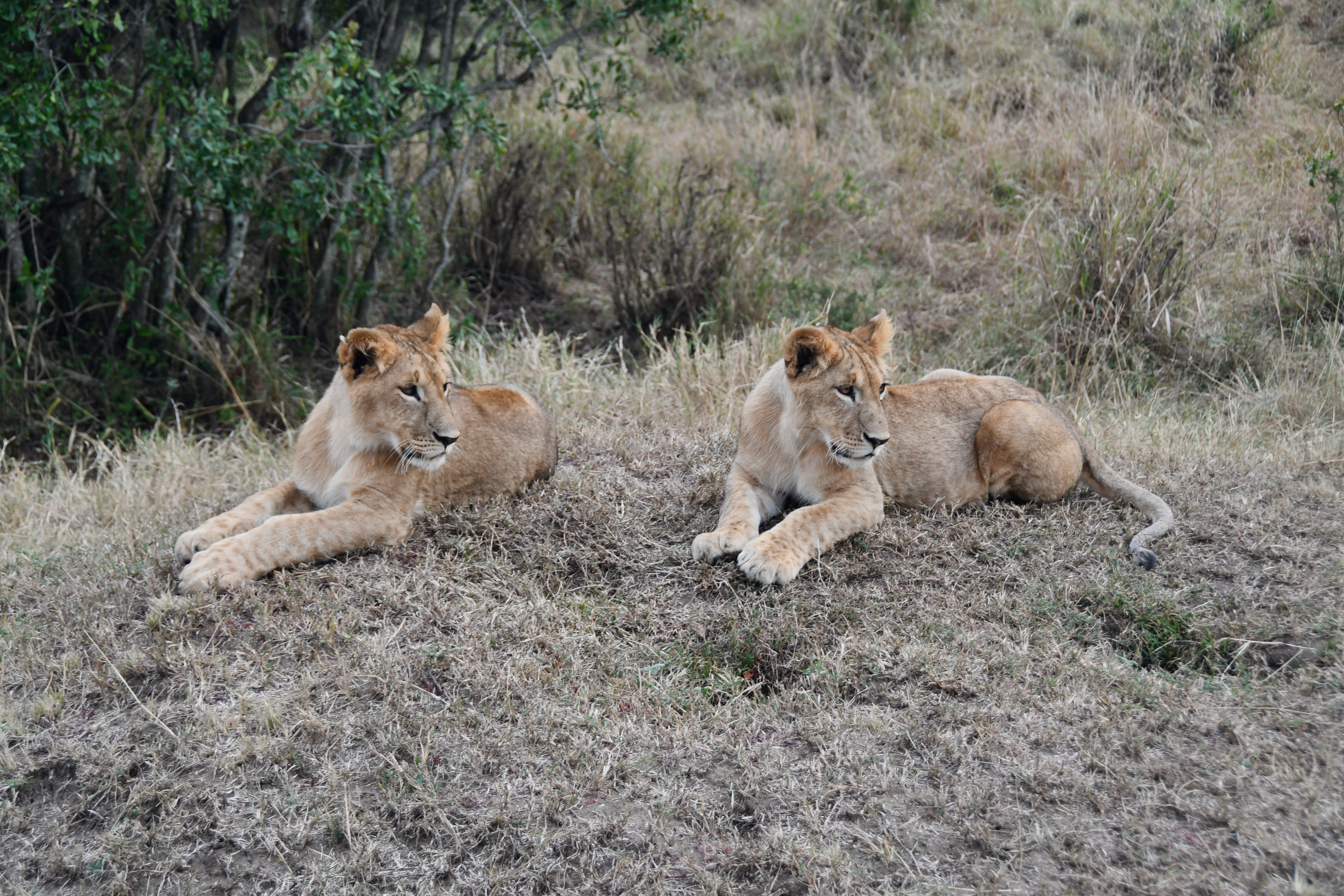
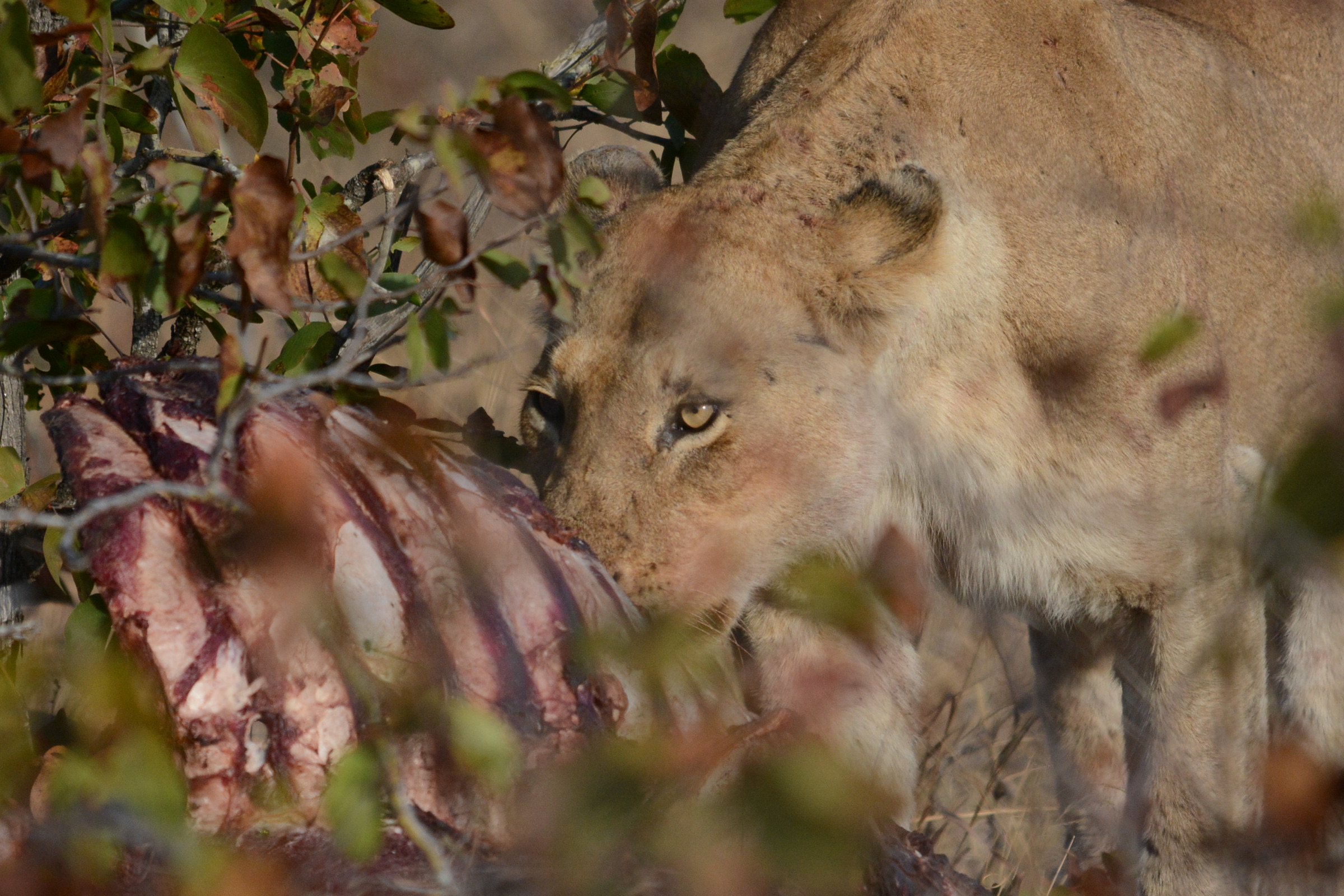
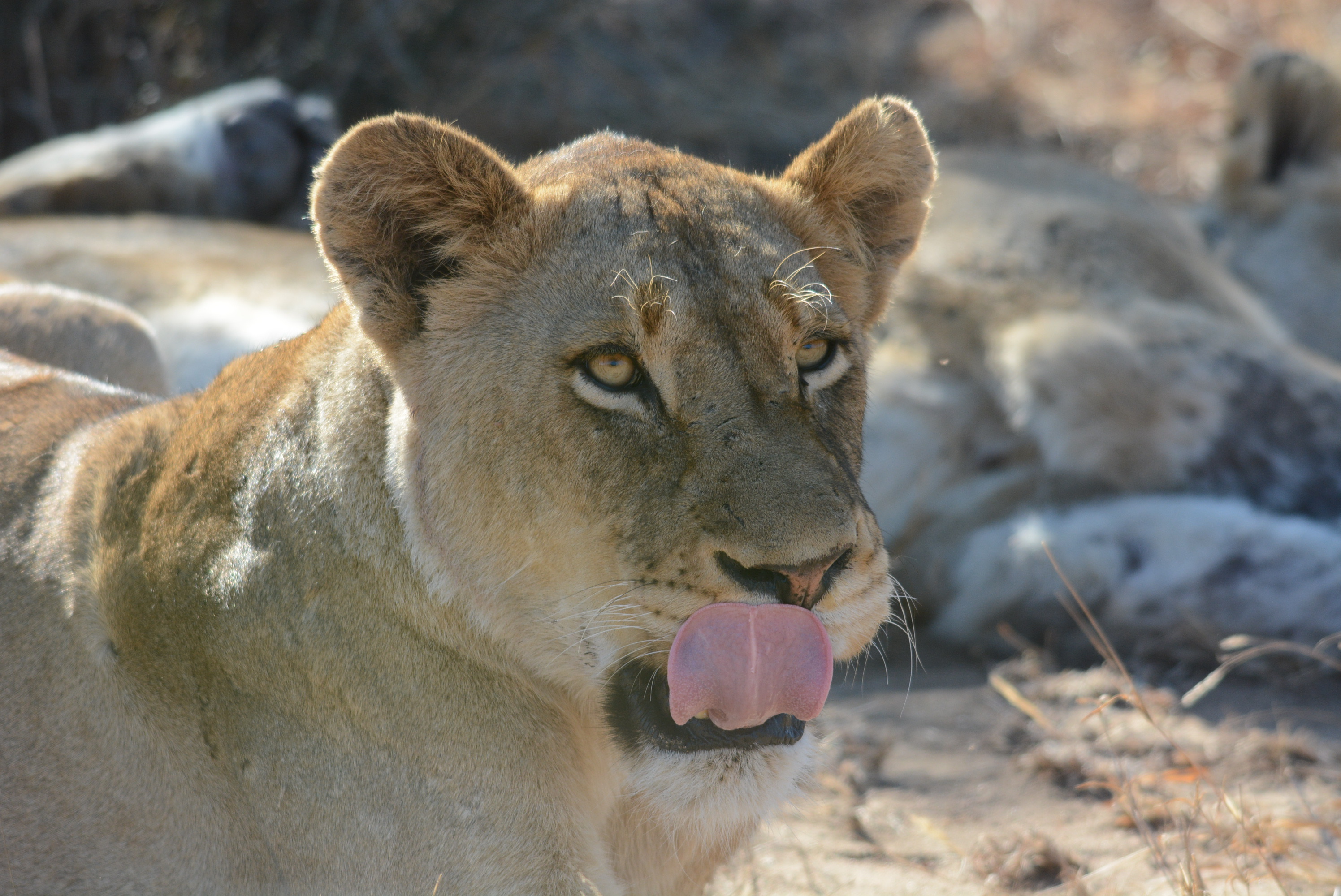
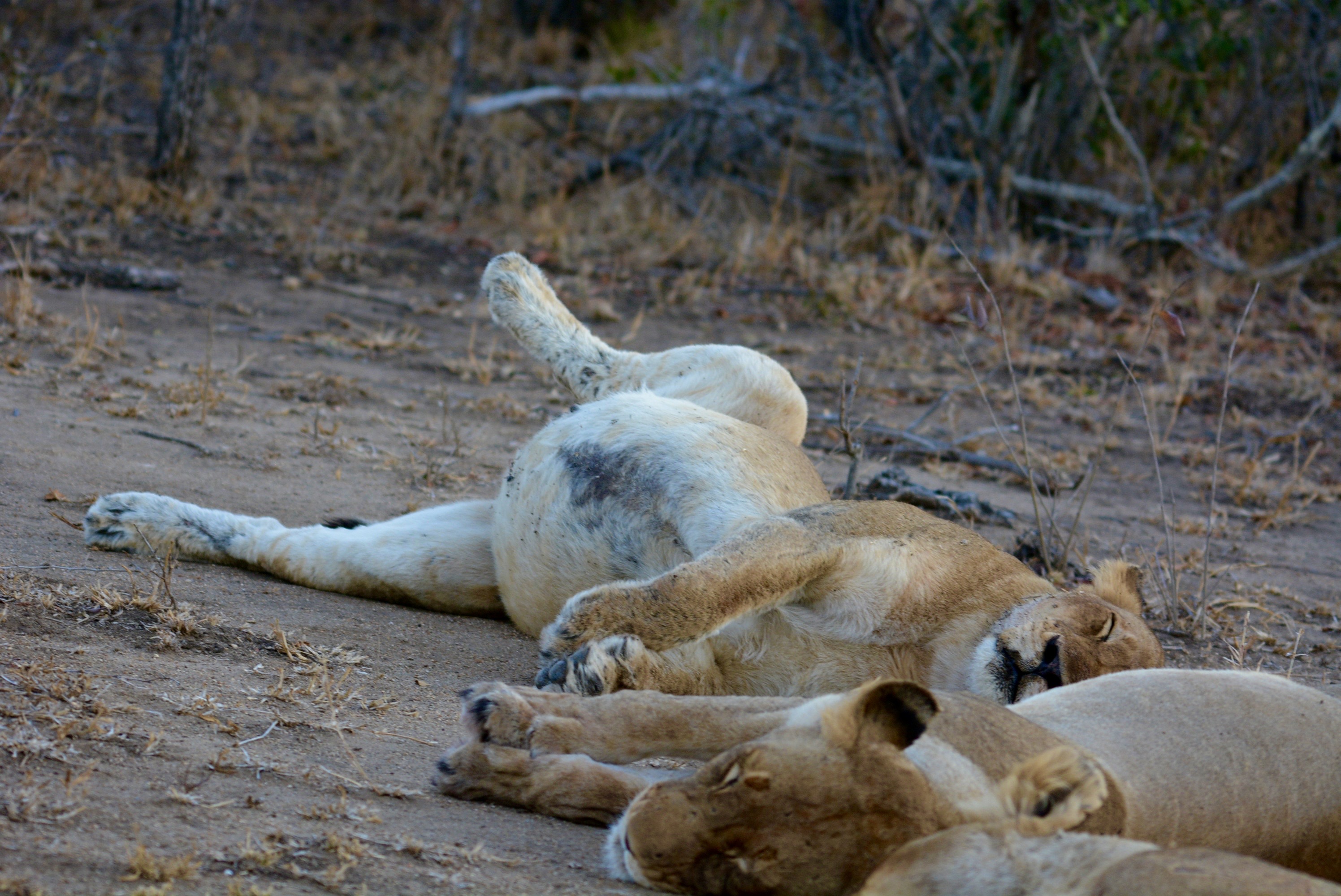
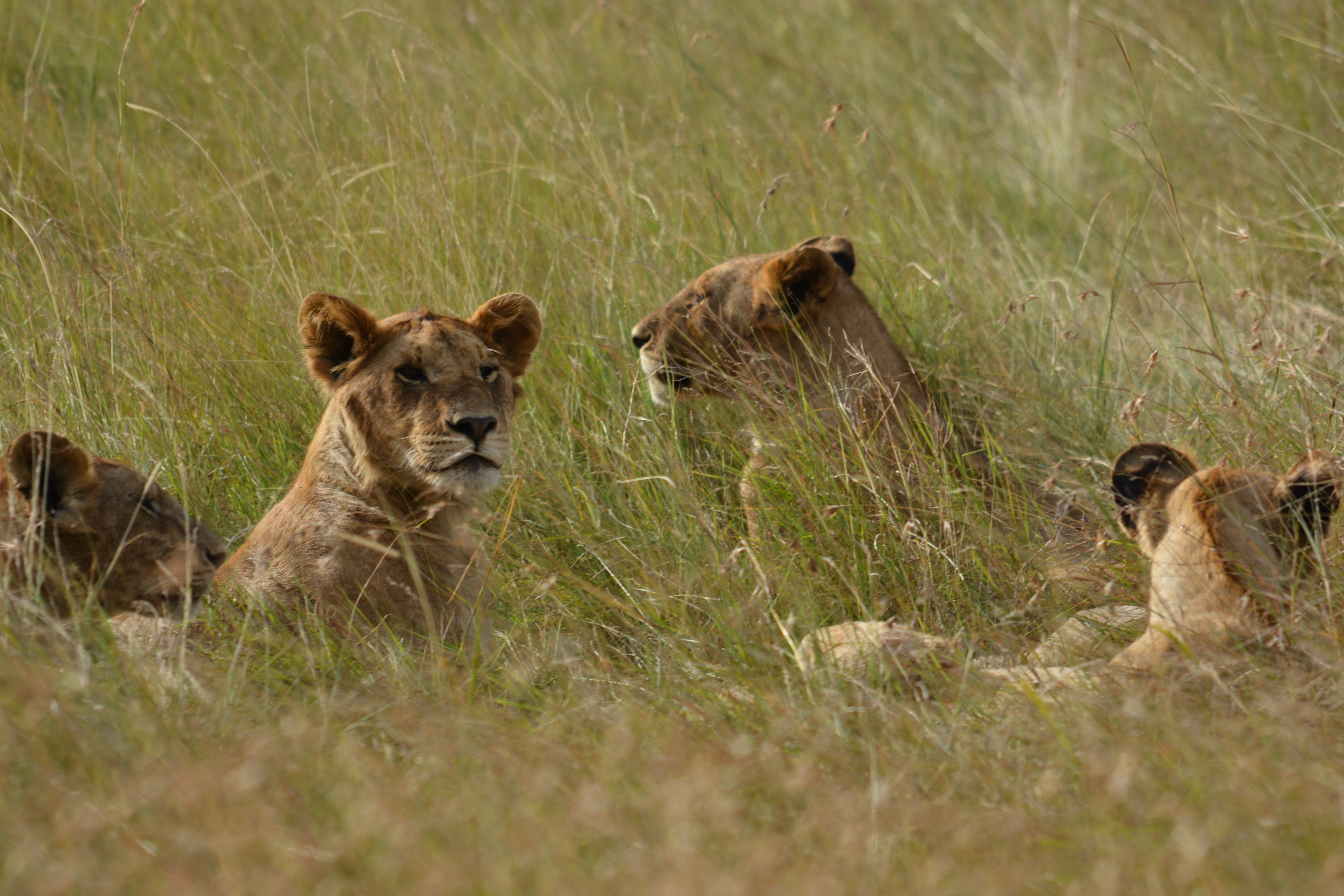
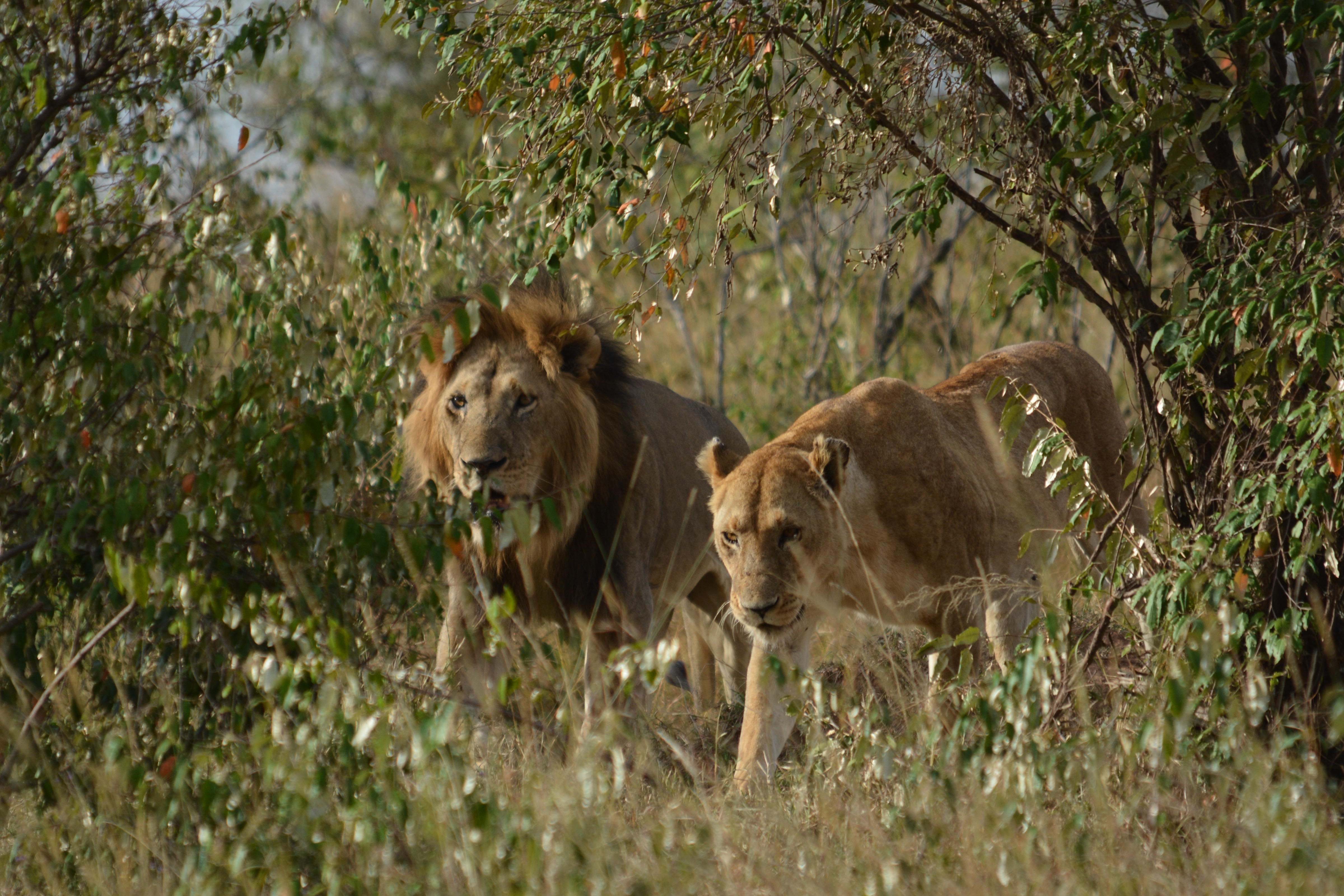
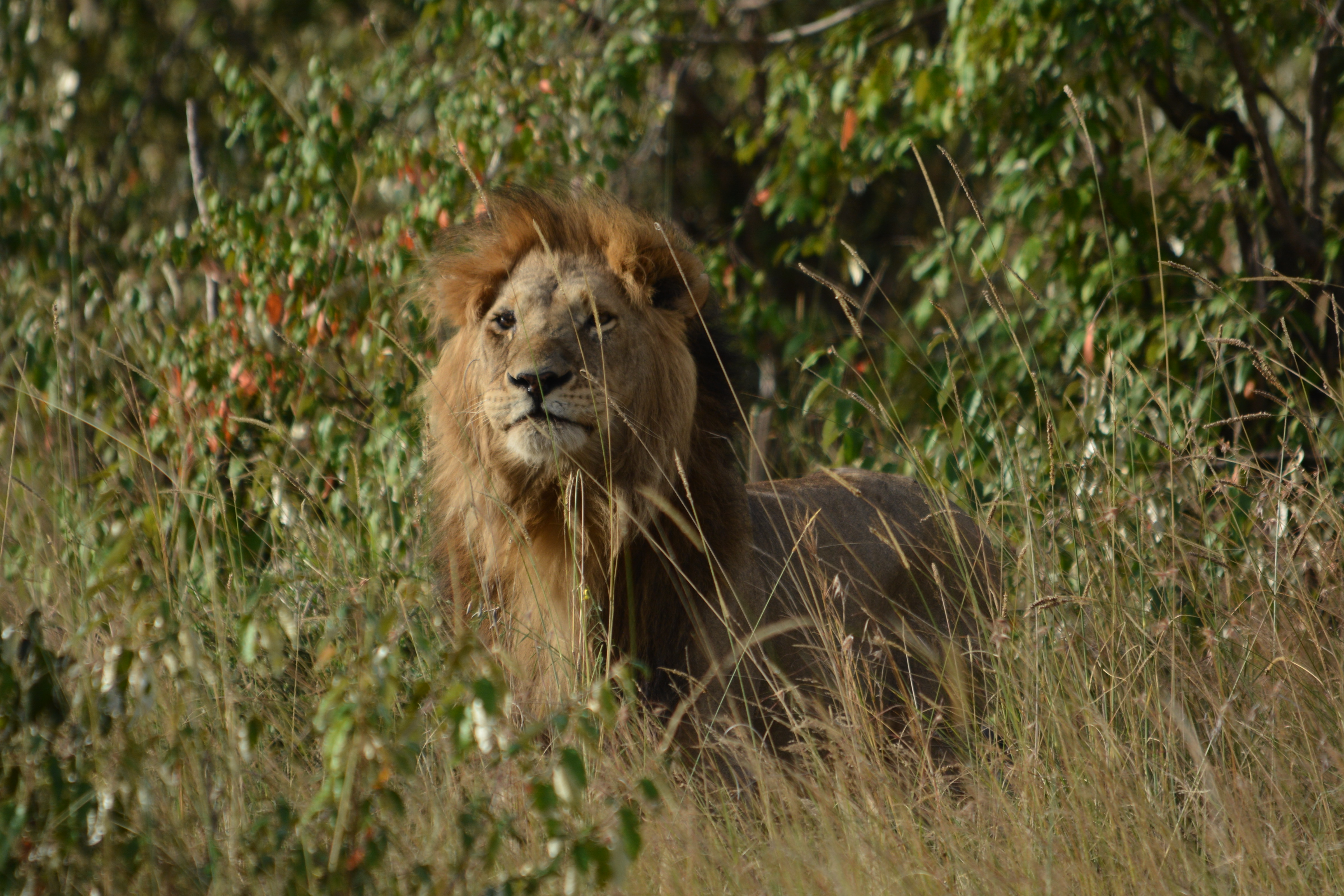
From nursing cubs and shared meals to moments of rest and watchfulness, pride life is built on relationships. Together, these encounters reveal that a lion's greatest strength often comes from belonging to something larger than itself.